Summary
- Drinking alcohol severely depletes vital electrolytes such as potassium, magnesium, and sodium, which need to be replaced during detox
- Specialized electrolyte drinks are more effective than plain water for rehydration during alcohol detox because they replenish crucial minerals
- Natural alternatives like coconut water offer balanced electrolytes without artificial ingredients, which can aid the body’s healing processes
- Bubs Naturals offers high-quality electrolyte supplements specifically designed to restore balance after alcohol consumption
- Proper hydration with electrolytes can significantly decrease withdrawal symptoms and assist the body throughout the detoxification process
When your body is going through the challenging process of alcohol detox, proper hydration is more than just drinking water. It’s about restoring the critical balance of electrolytes. The right electrolyte drinks can mean the difference between a challenging recovery and one that supports your body’s natural healing mechanisms.
Detoxing from alcohol can take a serious toll on your body, leaving it drained of the essential minerals it needs to function properly. Bubs Naturals provides high-quality electrolyte supplements designed to replenish these crucial nutrients and aid your body in its healing process. By understanding the science behind electrolyte replenishment, you can improve your recovery and better manage withdrawal symptoms.
What You Need to Know About Electrolyte Drinks During Alcohol Detox
Electrolytes are minerals that carry an electric charge and are responsible for regulating nerve and muscle function, hydrating the body, balancing blood acidity and pressure, and helping to rebuild damaged tissue. When you drink alcohol, it forces your kidneys to excrete these vital minerals through increased urination, causing a severe deficiency.
Many people are unaware that drinking alcohol causes the body to release antidiuretic hormone (ADH), leading to frequent urination and a significant loss of electrolytes. For each alcoholic beverage you drink, your body gets rid of up to four times that amount in fluids, taking vital electrolytes along with it. This imbalance is what leads to many withdrawal symptoms, such as headaches, muscle cramps, tiredness, and irregular heartbeat.
Studies have shown that electrolyte drinks are much more effective than just plain water when it comes to recovering from alcohol. A study that was published in the Journal of Clinical Biochemistry and Nutrition found that drinks that contained sodium, potassium, and glucose helped people rehydrate 40% faster than just drinking water after they had consumed alcohol. Your body just can’t recover effectively without these important minerals.
Why Electrolytes Are Essential for Your Body After Drinking
Alcohol is a potent diuretic, which means it compels your body to get rid of more water than you’re consuming. This effect doesn’t merely result in dehydration—it triggers a hazardous electrolyte imbalance that impacts nearly every system in your body. Your brain, heart, muscles, and nerves all depend on appropriate electrolyte levels to operate properly.
Drinking alcohol puts a lot of stress on your kidneys as they try to filter it out. This leads to you losing a lot of potassium, sodium, magnesium, and calcium when you urinate frequently. These minerals are important for nerve signaling, muscle contraction, fluid balance, and energy production. If you don’t replace these minerals, your body will be in a state where withdrawal symptoms are worse and recovery is harder.
Many people mistake the symptoms of electrolyte deficiency for a hangover or withdrawal. These symptoms can include brain fog, heart palpitations, muscle weakness, tremors, and even seizures in severe cases. It is not a choice to replenish these electrolytes, it is a requirement for your safety and recovery.
- Potassium: This is vital for the heart to function properly and for muscles to contract
- Sodium: This helps to regulate the balance of fluids in the body and supports nerve function
- Magnesium: This is involved in over 300 biochemical reactions in the body
- Calcium: This helps to maintain bone health and assists with blood clotting
- Phosphate: This is necessary for energy production and cell repair
The Way Alcohol Drains Essential Minerals from the Body
When alcohol is metabolized, it triggers a series of biochemical events that quickly deplete the body’s mineral reserves. Alcohol prevents the production of vasopressin, a hormone that helps the kidneys reabsorb water. This leads to increased urination and loss of minerals. For every standard drink consumed, the body can lose up to 100mg of magnesium, 150mg of potassium, and significant amounts of other essential minerals.
Alcohol doesn’t just increase urine output; it also harms the lining of your intestines, making it harder for your body to take in nutrients from the food you eat. This one-two punch of increased excretion and decreased absorption can lead to severe electrolyte depletion. People who drink heavily over a long period of time often have chronic deficiencies that get worse over time, which makes it even more important to replenish electrolytes during detox.
Your liver, the main organ responsible for detoxification, needs a lot of magnesium, zinc, and other minerals to break down alcohol properly. When these minerals run out, your liver’s capacity to metabolize alcohol and other toxins is reduced. This extends the detoxification period and makes withdrawal symptoms more severe. It’s a nasty cycle where deficiencies exacerbate the symptoms you’re trying to alleviate.
How Dehydration and Withdrawal Symptoms are Linked
Dehydration and electrolyte imbalance can have a major impact on the severity of alcohol withdrawal symptoms. When your body doesn’t have the right balance of minerals, withdrawal symptoms like shaking, anxiety, headaches, and nausea can get a lot worse. Studies have found that staying properly hydrated with electrolytes can cut the severity of these symptoms by as much as 40% in cases of moderate withdrawal.
Electrolyte deficiency can further stress your nervous system when it’s already under stress from the lack of alcohol, disrupting normal neurological function. For instance, a lack of magnesium can increase nerve excitability, which can make tremors and anxiety worse. In the same way, low levels of potassium can cause muscle cramps and heart irregularities, which can add to the physical discomfort of withdrawal.
Our brains are especially sensitive to our hydration levels. When we are dehydrated, the tissue in our brains can contract and pull away from our skulls. This activates pain receptors and can cause intense headaches. Maintaining a good balance of electrolytes can help our brains function at their best. This can potentially decrease the confusion, irritability, and sleep problems that often happen during detox.
Essential Electrolytes Depleted by Excessive Alcohol Intake
When you drink alcohol, your body loses a lot of essential electrolytes that have important roles. Sodium, which controls fluid balance and nerve function, is quickly used up because of increased urination. If your sodium levels (hyponatremia) get too low, you can experience confusion, seizures, and in extreme cases, swelling of the brain.
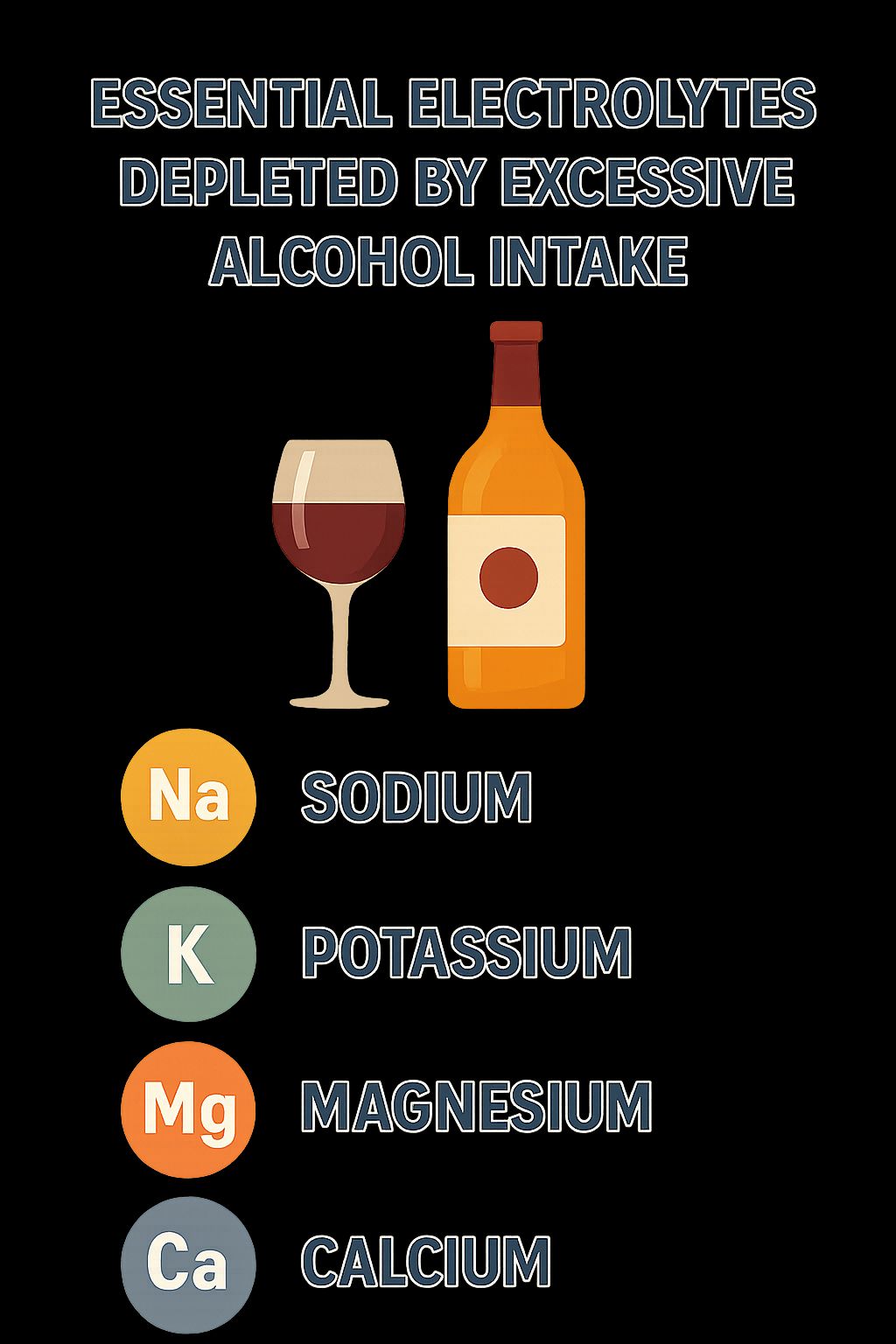
Alcohol consumption can also deplete potassium, which is vital for heart rhythm and muscle function. Even moderate drinking can lower potassium levels enough to cause fatigue, muscle weakness, and cramps. Severe depletion can result in dangerous heart arrhythmias, so it’s crucial to replenish potassium during detox.
Up to 60% of people who use alcohol are deficient in magnesium, which can cause tremors, muscle spasms, anxiety, and insomnia during withdrawal. This mineral is a natural calming agent for the nervous system, and without it, withdrawal symptoms can be significantly worse. Calcium, zinc, and phosphorus are also depleted, which can compromise immune function and slow the tissue repair that is necessary for recovery.
Top 5 Electrolyte Drinks to Aid in Alcohol Detox
Choosing the right electrolyte drink during alcohol detox can greatly enhance your recovery journey and lessen withdrawal symptoms. Not all electrolyte drinks are the same, especially when it comes to meeting the unique needs of someone detoxing from alcohol. The best choices offer balanced mineral content without too much sugar or artificial ingredients that could further burden your already overworked liver.
Electrolyte drinks that work the best have the right amounts of potassium, magnesium, sodium, and calcium. These proportions help your body absorb the electrolytes. There should also be some glucose in the drink to help move the electrolytes into cells. However, there shouldn’t be so much glucose that it causes your blood sugar to spike and then crash. This could make mood swings during withdrawal worse. It’s important to find this balance for rehydration to work.
1. Coconut Water: Mother Nature’s Hangover Cure
Coconut water is nature’s perfect electrolyte drink, boasting an optimal blend of potassium, magnesium, sodium, and calcium that mirrors the composition of human plasma. With about 600mg of potassium per serving, it directly targets one of the most severe deficiencies caused by alcohol. The natural enzymes and amino acids in coconut water also aid in liver function and cellular repair during detox.
Coconut water is a great alternative to commercial sports drinks because it contains less sugar (around 6g per serving) and provides long-lasting hydration due to its unique composition. Research indicates that it rehydrates as well as sports drinks but with fewer calories and without any artificial ingredients. Choose raw, unpasteurized types for the most enzymes and nutrients to aid your body’s recovery.
Coconut water is a great option for people with sensitive stomachs, especially in the early stages of alcohol detox when nausea is common. It has a mild, slightly sweet taste which makes it easier to drink when your appetite is low. To get the most out of it, drink it at room temperature so you don’t destroy the delicate enzymes and bioactive compounds.
2. Pedialyte: Medical-Grade Hydration
Initially created for children suffering from dehydration due to sickness, Pedialyte has evolved into a popular recovery beverage for adults going through alcohol detox. Its meticulously balanced recipe includes sodium, potassium, chloride, and zinc in ratios purposely made to rectify electrolyte imbalances swiftly. With fewer sugar than sports drinks (approximately 6g per liter compared to 36g in standard sports drinks), it delivers the essential glucose for electrolyte transportation without surplus calories.
Pedialyte is specifically designed to match the osmolarity (particle concentration) of human blood, which makes it easily absorbed in the small intestine even when digestion is not at its best. This is especially helpful during the first 48 hours of detox, when nausea and digestive issues can be at their worst. Many doctors recommend Pedialyte for dehydration caused by alcohol due to its precise formulation.
Pedialyte comes in a variety of forms including ready-to-drink bottles, powder packets, and freezer pops, providing a range of options for various stages of recovery. The freezer pops can be especially useful during the early stages of withdrawal when nausea can make it difficult to drink liquids. Although the taste is more medicinal than sports drinks, this is because it has therapeutic levels of electrolytes and doesn’t have too much flavoring or sugar.
More Than Just Drinks: Your Full Hydration Plan for Recovery
Proper hydration during alcohol detox is about more than just the right fluids—it’s a complete strategy that supports your body’s natural recovery. Electrolyte drinks are the base, but adding hydration-rich foods, avoiding dehydrating substances, and keeping a consistent schedule can help you get the most out of your recovery.
There are many ways that the body recovers from the effects of alcohol. Optimal hydration is a key factor in supporting liver function, kidney filtration, and cellular repair. To create an environment where these processes can work efficiently, it’s important to address hydration from all aspects, not just through what you drink.
What Foods Can Help With Hydration?
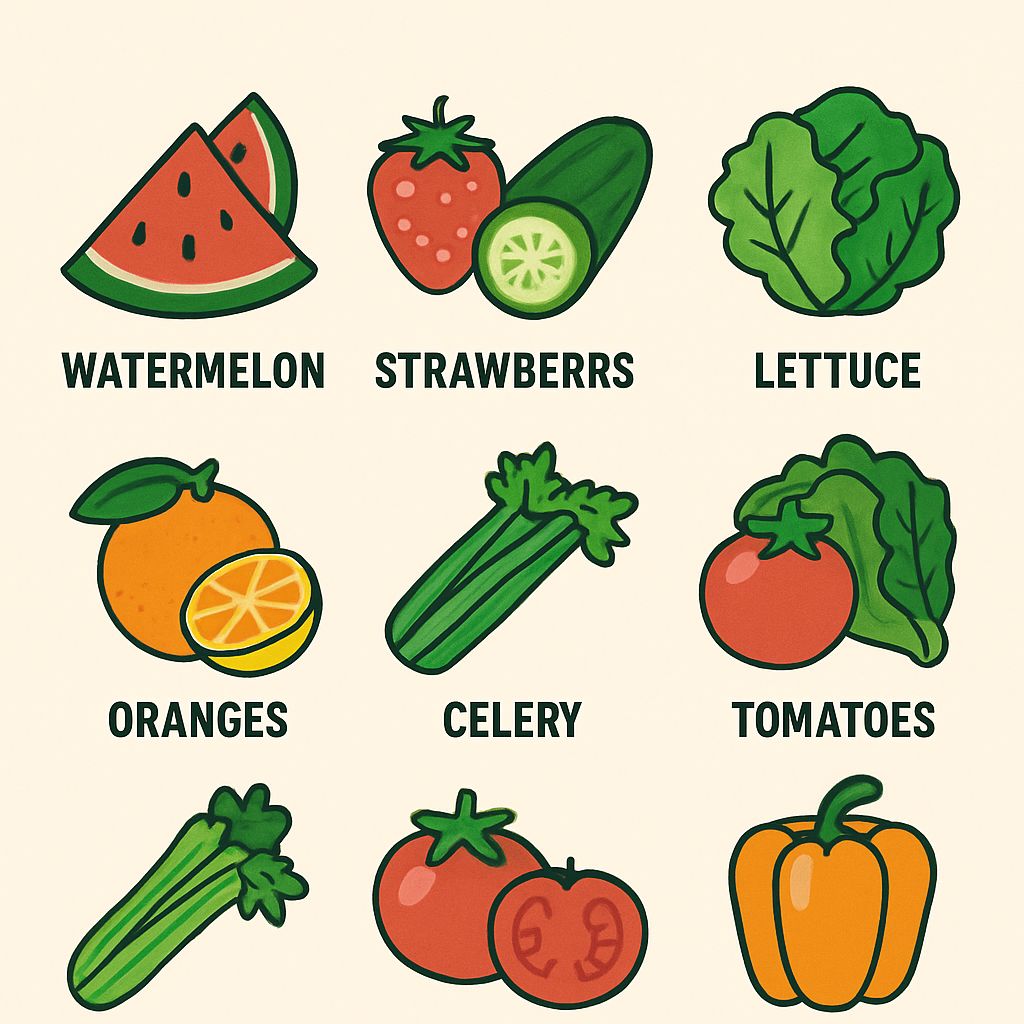
Did you know that certain foods can help you stay hydrated while also providing other nutrients that aid in detoxification? Cucumbers, celery, watermelon, and strawberries are all over 90% water by weight. They also contain natural electrolytes and antioxidants that can help combat the oxidative damage caused by alcohol. Leafy greens like spinach and kale are high in magnesium and potassium and can help support liver function. Soups and broths, especially bone broth, are full of easily absorbed minerals and amino acids that can help repair tissue during recovery.
What to Avoid During Detox
There are certain things you should avoid during alcohol detox as they can undo your hydration efforts and exacerbate electrolyte imbalances. Caffeine acts as a diuretic and can increase fluid and mineral loss when you are already depleted. High-sodium processed foods can throw off the sodium-potassium balance you are trying to restore. Intense exercise during the first few days of detox can increase sweating and fluid loss before your body has had a chance to stabilize, although gentle movement can help promote circulation and lymphatic drainage. Some medications can also affect hydration, so you should speak with a healthcare provider about when and how much to take during your recovery.
Once the initial stages of dehydration and electrolyte imbalances have been managed, the next step is to focus on long-term healing of the systems that have been affected by alcohol. The liver, which is the main detoxification organ, can benefit from nutrients such as milk thistle, N-acetyl cysteine, and B vitamins, which help to support its ability to regenerate. These can be added to your routine as your digestion starts to get better.
It’s a good idea to seek the advice of a healthcare professional to examine and treat any potential nutritional deficiencies that are common in people who are recovering from alcohol use. Blood tests can identify specific vitamins and minerals that need targeted supplementation beyond basic electrolytes. Magnesium, zinc, B vitamins, and vitamin D are often depleted and need to be intentionally replenished.
Slowly start adding mind-body practices such as gentle yoga, meditation, or deep breathing exercises. These can help regulate your nervous system and reduce stress hormones that can affect your fluid balance. These practices support the psychological aspects of recovery while also supporting your physical healing process.
As you continue to recover, shift to a diet that is rich in nutrients and anti-inflammatory properties to promote liver health and cellular repair. Concentrate on whole foods, healthy fats, quality proteins, and a variety of plant foods. These foods provide the necessary building blocks for your body to fully heal.
Common Questions
Alcohol detox and the importance of electrolytes can be a complex topic. We’ve compiled answers to some of the most frequently asked questions about hydration during alcohol recovery. Please note that while these guidelines are generally applicable, individual circumstances such as medical history and the severity of alcohol use may necessitate tailored adjustments under the supervision of a healthcare professional.
Grasping these basics enables you to make educated choices about your hydration plan during this crucial healing period. If you’re unsure, seek advice from a healthcare professional who is an expert in addiction medicine or nutritional support during recovery.
Is it okay to drink only water during alcohol detox instead of electrolyte drinks?
Drinking just water during alcohol detox isn’t enough because it dilutes the remaining electrolytes in your bloodstream without replenishing what’s been lost. This can actually make electrolyte imbalances worse, potentially resulting in a dangerous condition called hyponatremia (low blood sodium). When you’re severely depleted from the diuretic effects of alcohol, drinking lots of plain water without electrolytes can put a strain on your kidneys and cause further disruption to your mineral balance.
According to a study published in the Journal of Sports Science, it was found that drinks containing electrolytes were 40% more effective at rehydrating the body after fluid loss than plain water. The study showed that water without electrolytes was quickly removed from the body by the kidneys before the cells could properly rehydrate. To ensure the best recovery, alternate between drinking electrolyte drinks and water at a ratio of about 2:1, particularly during the first 72 hours of detox.
What is the recommended amount of electrolyte drink during alcohol detox?
If you’re undergoing moderate alcohol detox, you should aim to drink 2-3 liters of fluids that contain electrolytes daily for the first 48-72 hours. This should be adjusted based on your body weight, which is approximately 30-40ml per kilogram of body weight. You can monitor your hydration status by checking the color of your urine. If it’s pale yellow, you’re properly hydrated. If it’s dark yellow, you need to drink more fluids. Don’t drink large amounts of fluids at once. Instead, space out your consumption throughout the day. Drinking large amounts at once can overwhelm your system and flush the electrolytes through before they’re properly absorbed.
Can I use Gatorade for alcohol recovery?
While sports drinks like Gatorade do offer some electrolytes, they also contain a lot of sugar and artificial ingredients that can be hard on your liver during detox. These drinks are made for athletes who are sweating out electrolytes, not for someone recovering from the specific depletion caused by alcohol. They also usually don’t have enough magnesium and calcium, which are two important minerals that alcohol depletes. Better choices include medical-grade rehydration solutions like Pedialyte, natural coconut water, or specially-made recovery drinks that offer a more complete and balanced electrolyte profile without too much sugar.
Do electrolyte drinks ward off hangovers?
Drinking electrolyte beverages before, during, and after drinking alcohol can greatly lessen—but not entirely eliminate—hangover symptoms. A study published in the Journal of Clinical Medicine showed that participants who drank electrolyte-rich beverages between alcoholic drinks had about a 50% decrease in hangover severity compared to those who only drank water or nothing at all between drinks. This is because the electrolytes help keep the body’s fluids balanced and aid the liver in metabolizing alcohol.
To get the most out of your electrolyte solution, you should drink one serving for every alcoholic drink you have, and an extra serving before you go to bed. However, this method is most effective for moderate drinking, and won’t fully make up for heavy drinking, which drains your electrolytes faster than you can replace them.
How long should I keep drinking electrolyte drinks after I quit alcohol?
You should keep drinking electrolyte drinks for at least 5-7 days after you stop drinking alcohol, as it takes time for your body to fully restore its mineral balance. If you have been drinking alcohol for a long time, it may take 2-3 weeks for your body to restore the mineral balance in your tissues and organs. After this period, you can gradually switch from drinking electrolyte drinks to eating mineral-rich foods, drinking properly filtered water, and taking electrolyte supplements occasionally, especially after you exercise or get sick.
Studies on recovery after alcohol show that the process of electrolyte normalization happens in stages, with sodium and chloride levels usually stabilizing first (within 48-72 hours), followed by potassium and magnesium (5-7 days), and calcium and trace mineral restoration can take a lot longer. Pay attention to your body—if symptoms like muscle cramps, headaches, or tiredness come back after getting better at first, it could mean that your body still needs electrolytes.
Electrolyte drinks are a crucial part of the alcohol detox process. They help to restore lost electrolytes and rehydrate the body, which can become dehydrated from alcohol consumption. This is because alcohol is a diuretic, meaning it makes you urinate more often, leading to a loss of fluids and electrolytes.
Electrolytes are minerals that carry an electric charge. They are found in your blood, urine, and body fluids, and they regulate a variety of bodily functions. For example, they help to balance the amount of water in your body, ensure your nerves, muscles, heart, and brain work the way they should, and help to rebuild damaged tissue.
During alcohol detox, your body goes through a period of withdrawal as it rids itself of the alcohol. This can lead to a variety of symptoms, including nausea, vomiting, sweating, and diarrhea, all of which can cause further dehydration and loss of electrolytes.
Drinking electrolyte drinks can help to replace these lost electrolytes and prevent dehydration. They can also help to alleviate some of the symptoms of alcohol withdrawal, such as headaches and fatigue.
There are many different types of electrolyte drinks available, including sports drinks, coconut water, and even homemade recipes. It’s important to choose one that is low in sugar, as high sugar content can actually lead to further dehydration.
Remember, while electrolyte drinks can be beneficial during alcohol detox, they should not be used as a substitute for medical treatment. If you are going through alcohol detox, it’s important to seek medical help to ensure you are detoxing safely.