Key Points
- Milk thistle is rich in silymarin, a potent compound that not only shields liver cells from harm but also encourages the growth of healthy cells during alcohol detoxification.
- Research has shown that milk thistle can enhance liver function indicators such as AST and ALT in alcoholic liver disease, although the time it takes for complete recovery varies depending on the severity of the damage.
- The herb operates in a variety of ways, including preventing toxins from entering liver cells, reducing inflammation, and promoting protein synthesis for cell repair.
- New Nordic’s comprehensive approach to liver health includes milk thistle as well as other herbs to provide complete detoxification support.
- While milk thistle appears to be beneficial for liver detoxification, it should be used in conjunction with, rather than as a substitute for, medical treatment for alcohol-related liver diseases.
The liver is the body’s natural detoxification powerhouse. However, when alcohol overloads this essential organ, milk thistle may be nature’s potential solution. This purple-flowered herb has been a staple of natural liver support for centuries, with its active ingredient, silymarin, leading the way in botanical liver protection.
There’s no denying the link between alcohol and liver damage, but the journey to healing doesn’t always have to rely solely on medicine. New Nordic has been digging into natural remedies for liver health, discovering that milk thistle provides impressive aid during alcohol detox by tackling both immediate harm and long-term recovery requirements.
Milk Thistle: A Liver Ally During Alcohol Detox
Every time you drink alcohol, your liver has to work harder to process this toxin. This process creates harmful free radicals that can harm liver cells. Milk thistle acts as a guard, neutralizing these free radicals before they can damage cells. Unlike many supplements that claim to “detoxify” without clear mechanisms, milk thistle has specific ways of working that are backed by scientific research.
Not only does this plant provide immediate detox benefits, but it also offers long-term liver support. By regularly taking milk thistle, you could potentially lessen the harm caused by occasional drinking and help your liver recover more quickly when you do drink. This two-pronged approach makes it especially beneficial for those hoping to repair liver damage caused by alcohol and develop healthier habits.
Silymarin’s Dual Action: Safeguard and Renewal
Silymarin, the potent flavonoid compound found in milk thistle, works in two essential ways that make it perfect for liver rejuvenation. Initially, it serves as a robust antioxidant and free-radical fighter, stopping oxidative harm to cell membranes. Second, and perhaps even more impressively, it boosts protein synthesis in liver cells, speeding up the renewal process. This dual-action effectively tackles both the prevention of additional damage and the restoration of existing harm – a feat few natural substances can boast.
How Long to Heal Your Liver with Milk Thistle
Recovering from liver damage is not a quick process, even when you are taking milk thistle. If you have mild liver inflammation due to alcohol, you may see improvements in your liver function tests after 3-4 weeks of regular milk thistle use. More severe conditions like alcoholic hepatitis may take 2-3 months before you see significant improvements. Fatty liver disease usually improves noticeably within 3-6 months when you combine milk thistle with lifestyle changes. Keep in mind that these timelines are based on the assumption that you have stopped or significantly cut back on drinking alcohol – milk thistle can’t keep up with the ongoing damage from continued heavy drinking.
How Milk Thistle Helps Heal Your Liver
Milk thistle isn’t just a folk remedy. Current scientific studies have found several ways that this herb helps your liver while you’re detoxing from alcohol. The main ingredient, silymarin, is made up of several flavonolignans like silybin, silydianin, and silychristin. These are all part of what makes it work. When you take it, these compounds focus on liver cells, where they can protect and regenerate exactly where they’re needed.
How Silymarin Prevents Toxins from Hurting Liver Cells
Silymarin puts up a protective shield around liver cells in an intriguing way. It changes the structure of the outer cell membrane, which stops toxins from getting through the cell wall. This change is a lot like changing the lock on a door – alcohol metabolites and other toxins just can’t get in as easily. Also, silymarin fights with toxins for the same cellular binding sites, effectively stopping these harmful substances from sticking to liver cells. This protective method is especially useful during the first stages of alcohol detoxification when toxin levels are at their peak.
Fighting Alcohol-Induced Inflammation with Antioxidants
As alcohol is metabolized in the liver, it sets off a chain reaction of inflammation that can seriously harm cells. The silymarin complex in milk thistle acts as a potent antioxidant, counteracting the free radicals that fuel this inflammation. Research indicates that silymarin can decrease pro-inflammatory cytokine levels and prevent the activation of nuclear factor-kappa B (NF-κB), a protein complex that controls inflammation.
Milk thistle is known for its anti-inflammatory properties, particularly when it comes to alcoholic liver disease. Studies have shown that consistent supplementation can reduce inflammation indicators like C-reactive protein (CRP) and tumor necrosis factor-alpha (TNF-α). By reducing inflammation, it not only alleviates the immediate stress on the liver, but also fosters a more healing and regenerative environment.
Speeding Up Cell Regrowth Through Protein Synthesis Stimulation
Milk thistle does more than just protect the liver. It also promotes liver regeneration by stimulating protein synthesis in liver cells, or hepatocytes. This stimulation is achieved by activating RNA polymerase I, which in turn increases ribosomal protein synthesis. This essentially speeds up the liver’s ability to produce new, healthy cells. This regenerative property is not found in other natural liver supports, which is why milk thistle is often recommended for those recovering from alcohol-related liver damage.
Boosting cell regeneration is especially important because the liver is one of the few organs that can truly regenerate itself. With the help of milk thistle, this natural process can become more efficient, potentially reducing the recovery time from damage caused by alcohol. Research has shown that silymarin can boost protein synthesis in liver cells by up to 25-30%, providing real support for liver rejuvenation.
Research Findings: Is Milk Thistle Truly Effective for Alcoholic Liver Disease?
There have been many clinical trials examining the therapeutic potential of milk thistle, with results that are largely but not universally positive. Although not all studies show dramatic benefits, the majority of evidence indicates that milk thistle can provide significant support for liver recovery, particularly when used in conjunction with abstinence from alcohol and other healthy lifestyle modifications.
What The Latest Research Says About Its Effectiveness
Recent meta-analyses have explored the impacts of milk thistle across a number of randomized controlled trials. A thorough review in the journal Drugs revealed that treatment with silymarin was linked with a significant decrease in liver-related deaths in patients with cirrhosis. Another study in the Journal of Clinical Gastroenterology showed improved survival rates in patients with alcohol-induced cirrhosis who regularly took silymarin over a span of four years.
The most persuasive data comes from studies that assess specific biomarkers before and after treatment. A double-blind, placebo-controlled trial published in the Journal of Hepatology discovered that 420 mg of silymarin per day for six months resulted in significant improvements in liver enzyme levels and markers of oxidative stress in patients with alcoholic liver disease.
Boosting Liver Function Markers
Researchers usually assess the efficacy of milk thistle by looking at variations in liver function tests, especially the enzymes AST (aspartate aminotransferase) and ALT (alanine aminotransferase). If the levels of these enzymes are high, it signifies liver cell damage, and if they decrease, it indicates healing. Numerous studies have demonstrated that milk thistle supplementation can lower these enzyme levels by 25-30% after 8-12 weeks of regular use, signifying a significant decrease in liver inflammation and damage.
Typical Liver Function Improvements from Milk Thistle
AST levels: Average decrease of 25-35% after 8 weeks
ALT levels: Average decrease of 30-40% after 8 weeks
Bilirubin levels: Average decrease of 20-25% after 12 weeks
Gamma-GT: Average decrease of 15-20% after 8 weeks
Improvements are generally more pronounced in those who abstain completely from alcohol during treatment.
Limitations of Current Studies
Despite encouraging results, the research on milk thistle isn’t without limitations. Many studies have been relatively small, and methodologies have varied widely, making direct comparisons challenging. Additionally, the quality of milk thistle preparations used in studies has not been standardized, potentially affecting outcomes. Perhaps most significantly, many studies don’t adequately account for the role of concurrent lifestyle changes like alcohol abstinence, making it difficult to isolate milk thistle’s specific contribution to improvement.
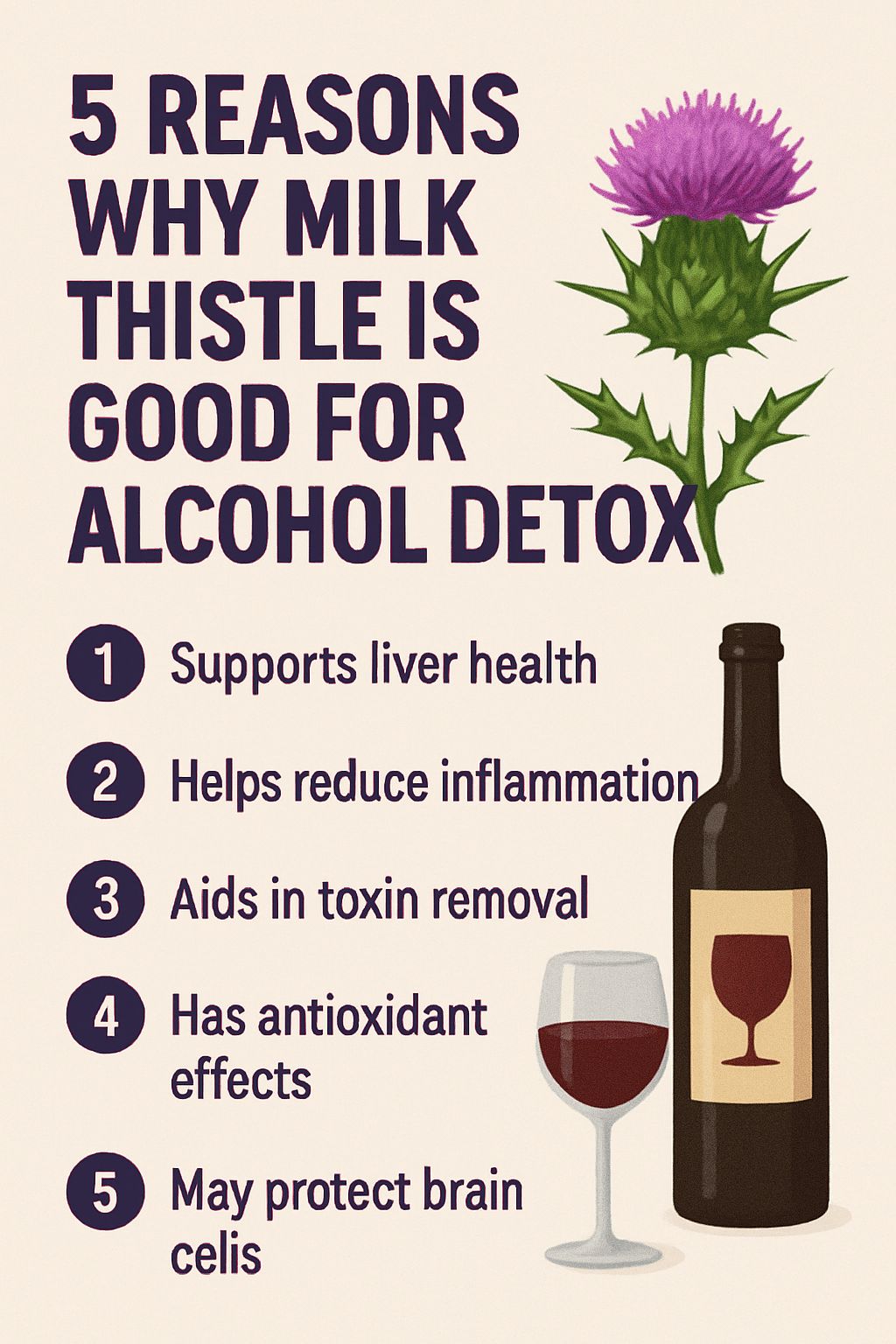
5 Reasons Why Milk Thistle is Good for Alcohol Detox
Milk thistle isn’t just good for your liver in general; it’s specifically beneficial during alcohol detox. Once you understand how it works, you can better leverage its benefits during your recovery. Each of these benefits is a different facet of how milk thistle helps your liver heal.
1. Lowers Oxidative Stress
When alcohol is metabolized, it produces harmful reactive oxygen species that can damage the membranes and DNA of liver cells. The silymarin complex in milk thistle is a powerful scavenger of free radicals, neutralizing these harmful molecules before they can harm cells. This antioxidant action is especially important during the early stages of detoxification, when oxidative stress is highest. Research has shown that silymarin can increase glutathione levels in liver cells by up to 35%, providing critical antioxidant protection during the vulnerable detoxification period.
1. Decreases Oxidative Stress
Metabolizing alcohol produces harmful reactive oxygen species that hurt liver cell membranes and DNA. The silymarin complex in milk thistle is a potent free radical scavenger, neutralizing these harmful molecules before they can damage cells. This antioxidant activity is especially beneficial during the initial stages of detoxification when oxidative stress is at its highest.
Studies have found that silymarin can boost glutathione levels by as much as 35% in liver cells. This is crucial for antioxidant protection during the delicate detoxification phase. Often referred to as the body’s main antioxidant, glutathione levels are greatly reduced by alcohol consumption. This makes the ability of milk thistle to replenish these levels particularly useful.
2. Reduces Inflammation
Regularly drinking alcohol can cause inflammation in the liver, which can lead to ongoing damage and scarring. Milk thistle can help to prevent the production of pro-inflammatory cytokines and leukotrienes, which are responsible for this inflammation. By decreasing inflammation, milk thistle can interrupt the ongoing cycle of damage and irritation that can cause liver disease, even if you stop drinking alcohol.
The benefits of milk thistle’s anti-inflammatory properties extend beyond the liver, potentially reducing inflammation throughout the body. Many people report feeling better in their digestion, clearer skin, and overall better health when they add milk thistle to their alcohol detox regimen, likely due to these widespread anti-inflammatory benefits.
3. Assists in Toxin Removal
Milk thistle aids in the liver’s natural detoxification processes by increasing bile production and flow. Bile is essential for breaking down and removing toxins processed by the liver, including alcohol byproducts such as acetaldehyde. By boosting bile production and flow, milk thistle ensures these toxins are effectively removed from the body instead of remaining and causing ongoing harm.
The enhanced flow of bile also helps digestion, particularly of fats, which can be impaired during liver recovery. Many people notice improvements in digestive symptoms such as bloating and discomfort when taking milk thistle during alcohol detox, a side benefit of its choleretic (bile-stimulating) properties.
4. Aids in the Regrowth of Liver Cells
One of the most impressive characteristics of milk thistle is its potential to encourage the regrowth of hepatocytes (liver cells). Silymarin, a compound found in milk thistle, boosts the synthesis of ribosomal RNA, which in turn instructs the liver cells to manufacture more of the proteins necessary for creating new cells and repairing existing ones. This ability to regenerate is particularly important during recovery from damage caused by alcohol, as it aids in the replacement of damaged tissue with healthy, functioning liver cells.
When combined with total abstinence from alcohol, milk thistle’s healing properties seem to be most pronounced, allowing the liver to repair itself without further damage. Research indicates that silymarin can boost the liver’s ability to regenerate by as much as 28% under the right circumstances, possibly reducing recovery time considerably.
5. Potential Reduction in Withdrawal Symptoms
There’s some evidence that milk thistle could help to alleviate the symptoms of alcohol withdrawal, thanks to its positive impact on blood sugar regulation and neurological function. Alcohol can disrupt glucose metabolism, and withdrawal can often lead to fluctuations in blood sugar levels, which can cause mood swings, anxiety, and cravings. The way milk thistle supports liver function might help to stabilize blood glucose levels, which could alleviate these symptoms.
Furthermore, the antioxidant attributes of milk thistle might offer some shield against the oxidative harm to brain cells that can occur during alcohol withdrawal. Though more studies are required in this field, many individuals have reported experiencing less intense withdrawal symptoms when milk thistle is incorporated into their detoxification regimen.
How to Use Milk Thistle for Alcohol Detox
It’s crucial to know how to take milk thistle correctly to get the most out of its liver recovery benefits. The amount you take, when you take it, and how you take it can all greatly affect how well it works. By understanding these factors, you can tailor a milk thistle regimen that fits your individual needs.
Remember, everyone is different, and what works for one person may not work for another. It’s always a good idea to start with what’s generally recommended and then tweak as needed based on how your body reacts and what your doctor suggests.
Recommended Dosages Depending on the Severity of Liver Damage
For minor alcohol-related liver stress with no diagnosed disease, a daily dose of 140-210mg of standardized silymarin extract is usually enough. Those with diagnosed alcoholic fatty liver disease or early-stage alcoholic hepatitis often benefit from higher doses of 280-420mg daily, divided into two or three doses. In cases of severe alcoholic liver disease or cirrhosis, clinical studies have used doses of 420-800mg daily under medical supervision.
Be aware that these dosages refer to the standardized silymarin content, not the total weight of the milk thistle seed powder. Good quality supplements should specify their silymarin content, which is usually standardized to 70-80% silymarin. Begin with smaller doses and slowly increase to assess tolerance, especially if your digestion is sensitive.
Which is More Effective: Capsules, Tinctures, or Teas?
The most reliable and potent form of milk thistle is typically found in standardized capsules or tablets. These usually offer the highest concentration of silymarin, the active ingredient. It is recommended to choose products that are standardized to contain at least 70% silymarin for the most benefit. Furthermore, capsules are the most researched form in clinical studies.
For those with digestive problems, liquid tinctures may be a better option than capsules because they are absorbed faster. However, during liver recovery, alcohol-based tinctures should be avoided. Water-based glycerites are a good substitute. Milk thistle tea is nice to drink, but it has much lower levels of silymarin because the active compounds don’t dissolve well in water. The tea can provide mild support, but it shouldn’t be used as the main treatment for serious liver diseases.
When to Take Milk Thistle for Best Results
To best absorb milk thistle, take it with meals that include some healthy fat. This is because silymarin, the active compound in milk thistle, is fat-soluble and can be better absorbed when taken with dietary fat. Instead of taking your entire daily dose at once, try splitting it into 2-3 smaller doses throughout the day to keep your blood levels more stable. Many people find that taking their largest dose in the evening is beneficial because it supports the liver’s natural regeneration cycle, which is most active during sleep.
It’s all about being regular – milk thistle accumulates its protective effects over time, and daily supplementation for at least 8-12 weeks is usually required to see notable improvements in liver function. Some studies suggest that cycling milk thistle (taking it for 3 months, then taking 1 month off) may prevent adaptation and maintain efficacy, though this approach needs more research.
Mixing Milk Thistle with Other Liver-Boosting Herbs
Milk thistle is a strong herb on its own, but its benefits can be increased when paired with other herbs that boost different parts of liver function. These synergistic mixtures often offer more complete support for liver recovery than any single herb by itself. The correct herbal partners can tackle other parts of detoxification and healing that milk thistle may not completely cover.
When developing a multi-herb regimen for liver recovery, it’s crucial to add new herbs slowly and individually. This allows you to keep track of individual reactions and possible interactions. The quality of herbal supplements is incredibly important – seek out products from trustworthy manufacturers that verify for purity and potency.
Dandelion Root: The Ideal Partner for Detox
Dandelion root is the perfect partner for milk thistle as it promotes bile flow and supports kidney function, resulting in a more thorough detoxification process. While milk thistle is primarily concerned with protecting and regenerating liver cells, dandelion aids in the removal of toxins through increased urination and bowel movements. This helps to prevent toxins from being reabsorbed into the bloodstream, a frequent problem during intensive detoxification.
A common successful mix is 200-300mg of milk thistle extract along with 500-1000mg of dandelion root extract daily. Some individuals may notice an increase in digestive activity when they start to include dandelion, so it’s recommended to start with smaller doses and slowly increase them as your body gets used to it, especially if you have a sensitive digestive system.
Turmeric: A Boost of Anti-Inflammatory Strength
The active ingredient in turmeric, curcumin, offers strong anti-inflammatory benefits that work in ways different from milk thistle. This combination is especially helpful for alcoholic liver disease, which often includes a lot of inflammation. Curcumin also promotes the production of healthy bile and has been proven to decrease the buildup of fat in the liver, addressing several factors of liver damage caused by alcohol.
To get the most out of milk thistle, take 200-400mg of milk thistle extract with 500-1000mg of curcumin (from turmeric) every day. Make sure to take it with meals that contain healthy fats. If you can, find curcumin supplements that have piperine (from black pepper) or use liposomal delivery systems. These can greatly increase curcumin’s bioavailability, which is usually quite low. This combination has had good results in studies of non-alcoholic fatty liver disease, and it might also be good for alcoholic liver conditions.
What to Keep in Mind About Safety and Possible Side Effects
Compared to a lot of other supplements, milk thistle is very safe. Even if you take a lot of it, you probably won’t have any side effects. But it’s not perfect. There are some things to watch out for, especially if you’re already taking medication or if you have certain health problems. This is what you need to know to use milk thistle safely and correctly while you’re recovering from liver damage.
Make sure to always tell your healthcare providers about any supplements you’re using, such as milk thistle, especially if you’re taking prescribed medications or dealing with chronic health issues. This openness can help avoid possible interactions and make sure your care is coordinated.
Who Should Be Cautious of Milk Thistle
Those who are allergic to plants in the Asteraceae/Compositae family, such as ragweed, chrysanthemums, marigolds, and daisies, should be careful with milk thistle because it can cross-react. Pregnant women should talk to healthcare providers before using milk thistle because there isn’t enough safety information, even though it has traditionally been used during pregnancy. People with hormone-sensitive conditions like certain breast, uterine, or ovarian cancers should also be careful because milk thistle can have mild estrogenic effects.
Diabetics need to be cautious when beginning milk thistle, as it can increase insulin sensitivity and potentially cause hypoglycemia if medication doses aren’t adjusted. If you have a history of gallstones, you should speak with a healthcare provider before using milk thistle, as it can stimulate bile flow and potentially cause complications in rare cases.
Potential Drug Interactions
It’s important to note that milk thistle may have interactions with certain medications that are metabolized by the liver’s cytochrome P450 enzyme system. This could include some statins, anticoagulants like warfarin, certain psychiatric medications, and some immunosuppressants. Additionally, milk thistle may enhance the effects of diabetes medications, which could potentially require dosage adjustments to avoid hypoglycemia.
It’s important to know that Silymarin can impact how some medications are absorbed and metabolized in your body, which can either increase or decrease their concentration in your bloodstream. If you’re currently taking prescription medications, it’s always a good idea to talk to a pharmacist or healthcare provider who is knowledgeable about herb-drug interactions before you start taking milk thistle. In a lot of cases, you can reduce the chance of potential interactions by taking your medications and supplements at different times.
Identifying Allergic Responses
Although allergic reactions to milk thistle are uncommon, they can happen, especially in people who are already allergic to similar plants. Symptoms of an allergic reaction include a skin rash, itching, swelling (particularly of the face, tongue, or throat), serious dizziness, or trouble breathing. If these symptoms occur, seek medical help right away and stop taking the supplement.
Some people might experience minor sensitivity reactions that are more common but less serious. These can include digestive issues, especially loose stools or mild stomach discomfort. These usually go away if you reduce the dosage or take milk thistle with food. A small number of users report headaches when they start taking milk thistle, but these often go away after the first week of use as the body adjusts.
Should you start to feel strange after beginning milk thistle, it’s a good idea to stop using it for a bit and talk to a medical professional before starting up again, possibly with a smaller dose or a different type. While most people handle milk thistle just fine, everyone is different.
Why You Shouldn’t Rely Solely on Herbs for Liver Recovery
Milk thistle is a great supplement to aid in liver recovery during alcohol detox, but it is by no means a cure-all. It should be used in conjunction with proper medical treatment for alcohol-related liver conditions, not as a replacement. Alcoholic liver disease can range from mild fatty liver to more serious conditions such as alcoholic hepatitis and cirrhosis. These more severe conditions require a more comprehensive medical approach.
The most successful method involves pairing the supportive benefits of herbs like milk thistle with appropriate medical supervision, nutritional support, and dealing with the underlying alcohol use disorder. This comprehensive approach provides the best opportunity for significant recovery and long-term liver health.
Recognizing When to Get Emergency Help During Detox
Detoxing from alcohol can sometimes be dangerous and even fatal. If you begin to experience severe symptoms such as confusion, hallucinations, a high fever, seizures, an irregular heartbeat, or a yellowing of your skin or eyes, you should seek medical help right away. Other warning signs include vomiting blood, passing black or bloody stools, severe abdominal pain, or extreme fatigue. These symptoms could be a sign of serious complications like withdrawal seizures, delirium tremens, or acute alcoholic hepatitis, which require immediate medical attention.
Adding Milk Thistle to Medical Detox Protocols
Many modern detoxification programs are now including milk thistle and other scientifically-backed natural supports in addition to traditional treatment. When discussing with healthcare providers, express your interest in using milk thistle and provide any supporting research. Make sure to ask about potential interactions with prescribed medications and the best time to take supplements in relation to other treatments.
Many doctors may not be aware of the studies on milk thistle for liver problems, so bringing specific studies can lead to more fruitful discussions. Groups such as the American Botanical Council give healthcare providers evidence-based details on herbs like milk thistle that can help close the knowledge gap.
Keep in mind that even when incorporating milk thistle into a healthcare plan, it’s vital to regularly check liver function via blood tests. This allows for objective tracking of progress and treatment adjustments as necessary. These tests offer crucial insight into whether your current strategy is effective or requires changes.
The Long Road to Liver Recovery After Alcohol Detox
When you’re recovering from liver damage due to alcohol, it’s not just about getting through detox. You need a long-term plan for liver recovery that goes beyond the detox phase. This plan will not only help you heal the damage that’s already been done but will also help you build a stronger, healthier liver for the future. It’s not a quick fix, though. Healing your liver is a slow process that takes months, not weeks. But with patience and consistency, you can do it.
When provided with the right conditions, the liver has an incredible ability to regenerate. A well-thought-out recovery plan can tap into this natural ability, while also addressing the many factors that can affect liver healing, such as nutrition, stress management, physical activity, and targeted supplementation.
Continued Use After Initial Recovery
Once you’ve gone through the first 3-6 months of intensive recovery, it’s common to switch to a maintenance dose of milk thistle. This usually means decreasing the daily intake of silymarin to 140-280mg per day and keeping an eye on liver function to make sure it’s still getting better. Some experts suggest a cycle of 3 weeks on and 1 week off to avoid getting used to the supplement and to keep it working well, but there isn’t much research on the best long-term dosing plans.
Food Choices That Boost the Benefits of Milk Thistle
The types of food you consume can have a significant effect on liver recovery, either enhancing or inhibiting the positive effects of milk thistle. Include liver-friendly foods like leafy greens, cruciferous vegetables, berries, nuts, fatty fish, olive oil, garlic, and turmeric in your regular meals. These foods provide vital nutrients and compounds that assist detoxification pathways and decrease inflammation. At the same time, limit processed foods, refined sugars, and unhealthy fats, which can raise oxidative stress and inflammation in the liver, possibly negating the benefits of milk thistle.
Keeping your body well-hydrated is just as important, as drinking enough fluids aids the liver in removing toxins from your body. You should aim to drink at least 2-3 liters of filtered water every day, adjusting this amount based on how active you are and the climate you’re in. There’s some evidence to suggest that starting your day with a glass of warm water and a squeeze of lemon can help gently cleanse your liver by stimulating the flow of bile and aiding digestion, which complements the effects of milk thistle.
Common Questions
In my experience helping clients with liver recovery plans, I’ve noticed a few recurring questions about milk thistle. By understanding the answers to these questions, you can better support your liver health during and after alcohol detox.
Keep in mind that while these responses reflect the current scientific understanding and clinical experience with milk thistle, individual responses can vary significantly. Working with healthcare providers who can tailor recommendations to your specific situation is always the best approach for serious liver concerns.
When can I expect milk thistle to begin healing my liver?
Many people report feeling better, such as having more energy and less stomach discomfort, within 2-3 weeks of taking milk thistle regularly. However, it usually takes 4-8 weeks to see measurable improvements in liver enzymes in blood tests, and significant regeneration often requires 3-6 months of regular use. The time it takes for milk thistle to work can depend on how badly the liver is damaged, whether the person has stopped drinking alcohol, the dosage and quality of the supplement, and individual metabolic factors.
Is milk thistle capable of totally curing alcoholic cirrhosis?
Unfortunately, milk thistle cannot completely cure severe cirrhosis, which is characterized by irreversible scarring (fibrosis) of the liver tissue. Nevertheless, it may be beneficial in managing symptoms and slowing the progression of the disease, even in severe cases. Research indicates that milk thistle can enhance the quality of life and liver function, even when the structural damage cannot be fully repaired.
If you catch liver fibrosis early, milk thistle, along with complete abstinence from alcohol and other supportive measures, may help reduce scar tissue over time. The earlier you intervene, the better, ideally at the fatty liver or mild fibrosis stage, before extensive scarring has developed. Regular medical monitoring is essential for anyone with diagnosed cirrhosis, regardless of which supplements they’re taking.
Can I take milk thistle with my prescribed detox meds?
For the most part, milk thistle is safe to take with many of the medications used in alcohol detox. However, it could interact with certain drugs. It can change how quickly your liver processes some medications, which could make them more or less effective. You should always talk to your doctor and your pharmacist before you start taking milk thistle with benzodiazepines, disulfiram, acamprosate, naltrexone, or other detox medications to make sure it’s safe and to find out when you should take it.
Is it necessary to keep using milk thistle after finishing alcohol detox?
Several health professionals advise keeping up with milk thistle for 3-6 months after the initial alcohol detox is done, because the liver’s recovery process continues well after the immediate withdrawal phase is over. This long-term supplementation aids the ongoing regeneration and repair of the liver tissue. If you’ve had severe liver damage or are at risk for liver disease, long-term maintenance doses could be beneficial under the supervision of a professional.
Whether or not you should use milk thistle in the long-term will depend on your liver function test results, your overall health, and whether you’ve started drinking alcohol again. People who have a genetic predisposition to liver problems or who are regularly exposed to toxins through their work might find it beneficial to continue using milk thistle even after they’ve recovered from alcohol-related damage.
Is it okay to drink alcohol from time to time while using milk thistle for liver health?
Although milk thistle can provide some protective benefits against damage caused by alcohol, it can’t completely shield you from the damage caused by continued drinking. The herb is most effective when your liver gets a real break from processing alcohol toxins. If you do drink from time to time, taking milk thistle may provide some protection, but it shouldn’t be seen as a free pass to continue harmful drinking habits.
For those who are in the process of recovery and sometimes have lapses, milk thistle can help reduce the effects of these episodes, but it is not a replacement for dealing with the root cause of the relationship with alcohol. The best approach for liver health is to combine milk thistle supplementation with a significant reduction or complete elimination of alcohol consumption, along with other liver-supporting lifestyle habits.
If you’re looking for a well-rounded approach to healing your liver, New Nordic has got you covered. Their specialized formulas blend milk thistle with other complementary herbs to create a full-spectrum approach to liver detox and regeneration.
- Milk thistle is a plant that has been used for centuries as a natural remedy for liver problems. It contains a compound called silymarin, which is believed to have antioxidant and anti-inflammatory properties that can help protect the liver from damage.
- Alcohol detoxification, or detox, is a process that helps remove alcohol from your body. It can be a difficult process, especially if you have been drinking heavily for a long period of time. Detox can cause withdrawal symptoms, which can be severe and even life-threatening in some cases.
- Milk thistle is often recommended as a supplement to help support the liver during alcohol detox. Some studies have suggested that milk thistle can help reduce liver inflammation and damage caused by alcohol. However, other studies have not found a significant benefit.
- It is important to note that while milk thistle may help support liver health, it is not a cure for alcohol addiction. Alcohol detox should be done under the supervision of a healthcare professional. If you are struggling with alcohol addiction, it is important to seek help.