
Key Points
- Up to 80% of people with alcohol use disorder have a magnesium deficiency, which can make withdrawal symptoms worse during detoxification
- Taking magnesium supplements may lower the risk of seizures, anxiety, and muscle cramps during alcohol withdrawal
- Standard blood tests often don’t detect magnesium deficiency because only 1% of the body’s magnesium is in the bloodstream
- Magnesium glycinate and taurate are the most bioavailable and gentle forms of magnesium for alcohol recovery
- Medical supervision is necessary during alcohol detoxification, and taking magnesium supplements should be part of a comprehensive treatment plan
Alcohol withdrawal can be difficult and potentially dangerous. Many people don’t know that having the right amount of magnesium can significantly affect how your body detoxifies. This essential mineral is involved in over 300 enzymatic reactions in the body, many of which are disrupted by chronic alcohol use and withdrawal.
Alcoholism and Magnesium Deficiency: A Silent Epidemic
Regular alcohol use sets the stage for magnesium loss. Research indicates that as many as 80% of individuals with alcohol addiction suffer from magnesium deficiency, compared to roughly 30% of the broader population. This deficiency isn’t a trivial nutritional issue—it can drastically affect the intensity of withdrawal symptoms and the overall likelihood of recovery.
Magnesium’s role in the functioning of the nervous system, muscle relaxation, and mood regulation is critical, and all these systems are severely disrupted during alcohol withdrawal. This makes the link between alcohol and magnesium particularly worrying.
For those who are alcohol-dependent, entering detoxification can cause their already low magnesium levels to drop even further as the body tries to return to normal. This can lead to an increase in symptoms such as tremors, anxiety, muscle cramps, and even the risk of seizures. By quickly addressing this deficiency, it can mean the difference between a detox experience that is manageable and one that is a medical emergency.
How Drinking Alcohol Can Lower Your Magnesium Levels
Alcohol is a potent diuretic, meaning it can make you urinate more frequently and cause your body to lose essential minerals before they can be fully absorbed. This alone can significantly lower your magnesium levels, but the effects of alcohol go beyond just dehydration.
How Drinking Alcohol Causes Magnesium Loss
When you drink alcohol, your kidneys start working right away to get rid of this poison from your blood. Studies have found that even if you drink a moderate amount of alcohol, you can lose 167-260% more magnesium than people who don’t drink. This loss happens in several ways:
“Alcohol has a direct impact on the renal tubules, which are the kidneys’ filtration systems, causing them to excrete more magnesium, irrespective of the body’s stores. This implies that even people who seem to have a normal magnesium intake can become deficient if they regularly consume alcohol.”
Aside from increasing excretion, alcohol also damages the gut lining, which reduces the body’s ability to absorb magnesium from food. People who drink heavily often have poor diets and consume fewer foods that are rich in magnesium. Lastly, alcohol changes the body’s ability to store and use the magnesium that is left, creating a functional deficiency even when the levels might seem to be adequate.
How to Tell if You’re Lacking Magnesium During Detox
It’s important to be able to recognize a magnesium deficiency during alcohol detox, as many of the symptoms are similar to those of normal withdrawal but can be specifically treated with the right supplements. The most common signs are irregular heart rhythms, muscle spasms and cramps, increased anxiety, difficulty sleeping, and increased sensitivity to noise and light.
If you have a more severe deficiency, you might experience seizures, which affects about 5% of people going through alcohol withdrawal. Studies suggest that if you correct your magnesium status, it may lower the threshold for seizures and improve the overall outcomes of withdrawal. If you feel strange tingling sensations, especially in your arms and legs, or if the muscles in your face are twitching, these could be signs that you need to pay attention to your magnesium levels right away.
Why Standard Blood Tests Often Overlook Deficiencies
Diagnosing magnesium deficiency is difficult due to the limitations of standard blood tests. Serum magnesium tests only measure the approximately 1% of magnesium that circulates in your bloodstream, completely overlooking the 99% stored in bones, muscles, and soft tissues.
There is a major risk here, as people who have normal blood test results may still be seriously lacking in magnesium at a cellular level. The body will do almost anything to maintain stable levels of magnesium in the blood, often drawing from reserves in the bones and tissues. This means that your cells could be crying out for magnesium while your blood tests come back as normal.
While there are more precise ways to test for magnesium levels, like RBC (red blood cell) magnesium or magnesium loading tests, these are not commonly used in standard medical practice. For those in alcohol recovery, it is best to assume there is some level of deficiency, even if blood tests don’t show it, particularly if symptoms are present.
Five Key Ways Magnesium Aids Alcohol Detoxification
Magnesium’s function in alcohol recovery is not limited to merely rectifying a deficiency. This mineral actively assists several biological functions that become unregulated during withdrawal, offering extensive support during the most difficult stages of detoxification.
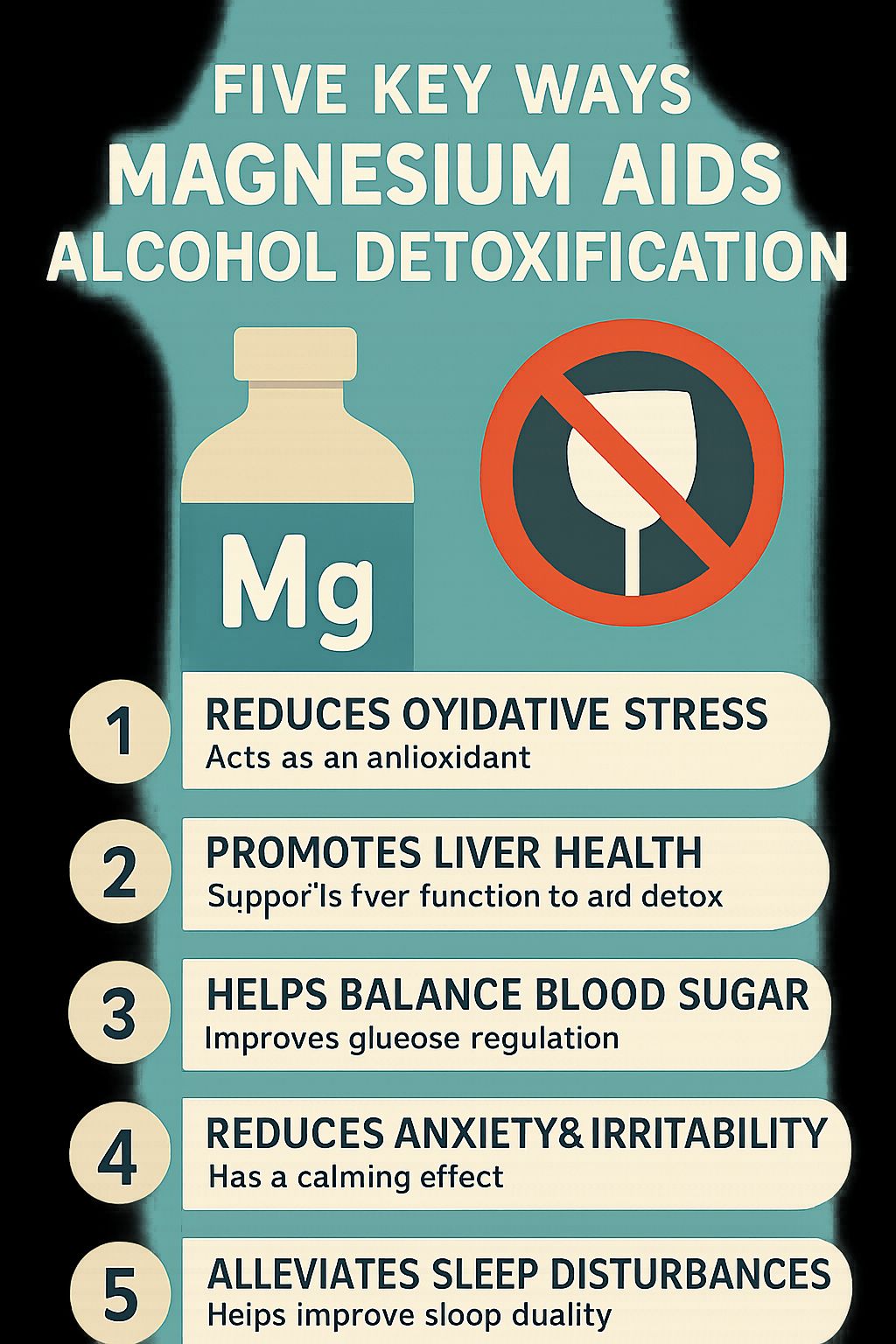
1. Lessens the Intensity of Withdrawal Symptoms
Magnesium serves as a natural NMDA receptor antagonist, which aids in controlling glutamate—an excitatory neurotransmitter that becomes overly active when withdrawing from alcohol. This excess of glutamate leads to restlessness, seizures, and the potentially deadly condition known as delirium tremens.
Magnesium is known to help regulate glutamate activity, which can reduce the severity of tremors, decrease the risk of seizures, and lower overall hyperexcitability in the central nervous system. There is clinical research to suggest that by addressing a deficiency in magnesium, there may be a significant reduction in the need for benzodiazepines and other sedatives during detox. This could potentially reduce the risk of side effects from these medications and the risk of dependency.
2. Helps the Nervous System
Both long-term alcohol use and withdrawal can be hard on the nervous system. Magnesium is a natural calcium channel blocker, which means it keeps too much calcium from getting into neurons and causing overexcitement. This helps keep nerve function steady during the ups and downs of detox.
Moreover, magnesium aids in the creation of GABA, a neurotransmitter that slows brain activity. Alcohol initially increases GABA, but eventually depletes it. Magnesium helps to naturally support GABA function, restoring the balance between brain processes that excite and inhibit. This is a key factor in reducing withdrawal symptoms and preventing post-acute withdrawal syndrome.
3. Enhances Sleep Quality During Recovery
One of the most consistent and challenging aspects of alcohol withdrawal and early recovery is sleep disturbances. Magnesium improves sleep quality by controlling melatonin metabolism and calming the muscular and nervous systems.
Studies have shown that adding magnesium to the diet can enhance both objective sleep measurements (including sleep duration and efficiency) and subjective sleep quality. This sleep support can be a game-changer for people in recovery, as inadequate sleep greatly increases the risk of relapse and hinders cognitive healing.
4. Assists in Mood and Anxiety Regulation
Psychological symptoms of alcohol withdrawal, such as anxiety, irritability, and depression, can be as severe as the physical symptoms. Magnesium is vital in mood regulation through several mechanisms, including balancing neurotransmitters, regulating stress hormones, and controlling inflammation.
Research has indicated a connection between the amount of magnesium in the body and the severity of depression, with supplementing magnesium showing potential as a supplementary treatment for mood disorders. When recovering from alcohol, ensuring that magnesium levels are sufficient may help to balance mood fluctuations and decrease anxiety, thereby fostering a more conducive internal environment for mental healing.
5. Helps the Liver Function and Metabolize
The liver has to work overtime during alcohol detoxification. It has to process any remaining alcohol while also starting to repair any long-term damage. Magnesium helps the liver function by triggering the enzymes that are involved in producing energy and detoxification pathways.
Studies have shown that magnesium can help bring high liver enzyme levels back to normal in people with liver damage caused by alcohol. Magnesium aids in the recovery process by improving mitochondrial function and reducing oxidative stress, which creates the best environment for the liver to regenerate.
Top Types of Magnesium for Alcohol Detox
Magnesium supplements are not all the same, especially when it comes to alcohol detox. Bioavailability (how well the magnesium is absorbed and used by your body) can vary greatly between different types, and some may even make certain withdrawal symptoms worse.
Choosing the appropriate type of magnesium can greatly influence its potency and how well it’s tolerated during this delicate recovery phase. Although price may be a factor, it’s usually more beneficial to spend a bit more on highly bioavailable types, as they tend to produce better results with fewer adverse effects.
Magnesium Glycinate: The Gentle Solution
Magnesium glycinate is the top pick for alcohol recovery because it has superior absorption and causes little digestive upset. This type of magnesium is bonded to glycine, an amino acid that has its own calming effects on the nervous system. This makes it a two-in-one supplement that is especially helpful during withdrawal.
The glycine element aids in the production of GABA, which may increase the soothing effect beyond what is provided by magnesium alone. For those who are experiencing the typical sleep disturbances during alcohol detoxification, taking magnesium glycinate before bed could provide considerable relief without the morning sluggishness that comes with sleep medications.
Cardiovascular Support with Magnesium Taurate
Alcohol abuse often harms the cardiovascular system, leading to problems such as high blood pressure and irregular heartbeats. Magnesium taurate directly tackles these issues by combining magnesium with taurine, an amino acid that aids in heart function and bile production.
This unique blend aids in maintaining a steady heart rate and can help to lessen the instances of high blood pressure that are typical during withdrawal. Research indicates that taurine can help liver function and bile acid conjugation, providing even more detox support than just the benefits of magnesium. For those who are experiencing cardiovascular symptoms related to alcohol, this form offers focused support during the recovery process.
When Not to Use Magnesium Oxide and Citrate
Even though magnesium oxide and citrate are usually the most accessible and cheapest forms, they can cause particular issues during alcohol detoxification. Both have low bioavailability—oxide only absorbs at 4% compared to glycinate’s 80%—which means that you’ll get considerably less magnesium into your cells even though you’re taking the same dosage.
Unfortunately, these forms can intensify digestive issues, potentially causing diarrhea that further depletes electrolytes when your body is already at risk. Magnesium citrate specifically has a laxative effect that can make the gastrointestinal problems common during alcohol withdrawal even worse. These forms are best avoided during active detoxification and replaced with gentler, more easily absorbed options.
What is the Right Dosage of Magnesium?
For a healthy person, the daily Recommended Dietary Allowance (RDA) for magnesium is 400-420mg for men and 310-320mg for women. However, for those in recovery from alcohol addiction, a higher dose is usually needed to help manage withdrawal symptoms and to address any deficiencies that may exist.
Suggested Daily Intake During Detox
When going through alcohol detoxification, it’s commonly suggested by health professionals to take 300-400mg of elemental magnesium per day, split into several doses. This dosage usually refers to the actual magnesium content, not the total weight of the supplement. For example, a 1000mg magnesium glycinate tablet might only contain 120mg of elemental magnesium.
Everyone’s needs will be different depending on the severity of the deficiency, kidney function, and any other medications they may be taking. Some clinical protocols use a method of gradually increasing doses, starting at 200mg per day and gradually increasing to 400-600mg as tolerated. It’s always a good idea to consult with a healthcare provider before starting any kind of supplementation, especially during medically supervised detoxification.
When to Take Your Supplements for Optimal Results
Planning when you take your magnesium supplements can greatly enhance how well your body absorbs the mineral and how effective it is in helping your body recover from alcohol. Taking smaller doses spread out over the day instead of one large dose can help keep your magnesium levels more stable and decrease the risk of side effects like upset stomach.
Taking 200-300mg of magnesium (in glycinate form) in the evening, about an hour before going to bed, may help improve sleep quality and reduce nighttime muscle cramps. Taking magnesium in the morning can help manage anxiety and tremors during the day. It’s important to always take magnesium supplements with food. This helps improve absorption and reduce stomach irritation, which is especially important for sensitive stomachs during detoxification.
More Than Just Pills: Foods High in Magnesium
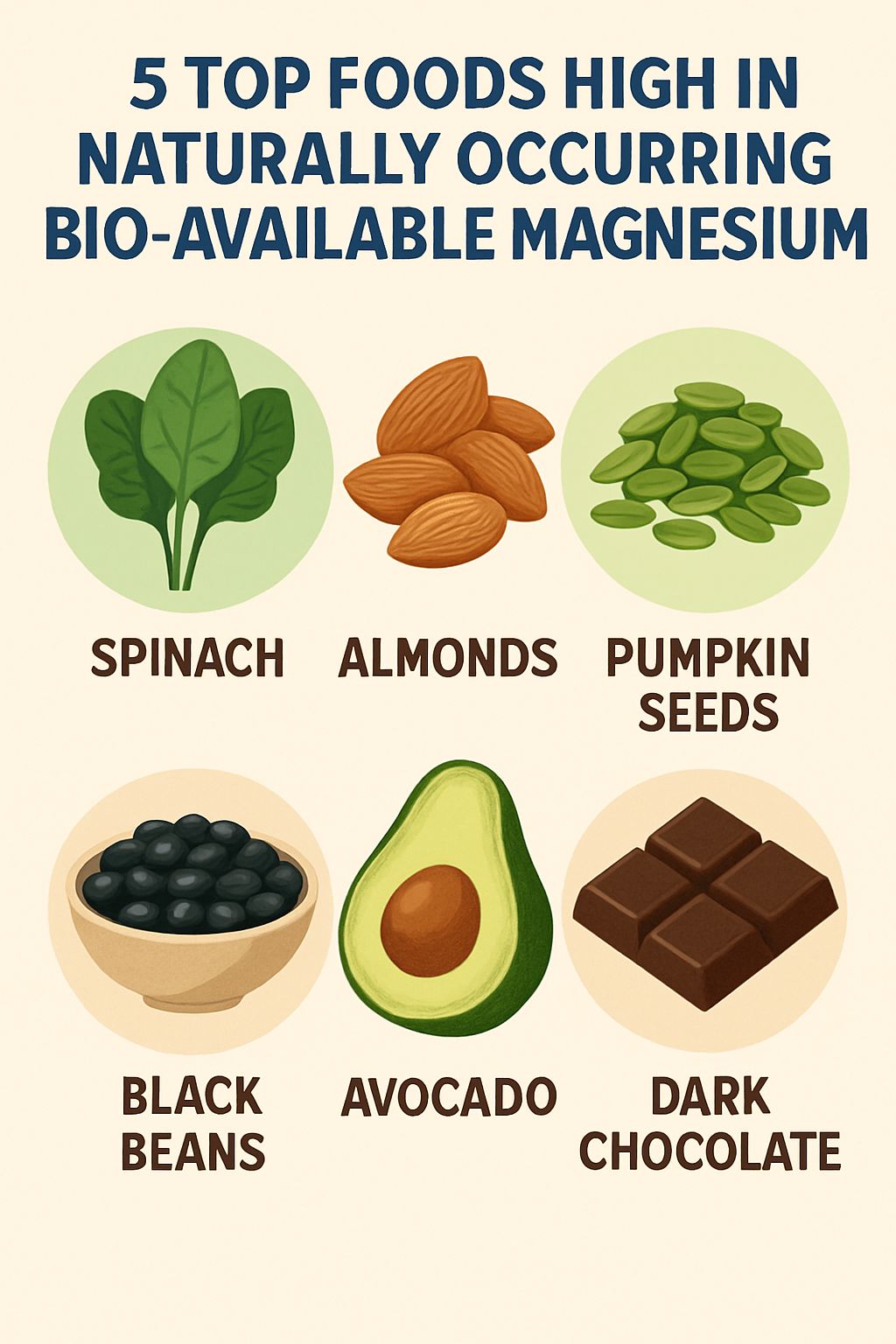
Although supplements are critical in addressing magnesium deficiencies during alcohol recovery, adding foods high in magnesium to your diet offers additional benefits that can’t be found in a pill. Whole foods contain other nutrients and fiber that help your body absorb and use magnesium.
Dark green leafy vegetables like spinach and Swiss chard are rich in magnesium, which is often depleted by alcohol, along with folate and other B vitamins. Seeds and nuts, especially pumpkin seeds, almonds, and cashews, are good sources of magnesium and healthy fats, which are beneficial for brain recovery. Beans, whole grains, and dark chocolate also contain significant amounts of magnesium.
Easy-to-Digest Choices for Sensitive Stomachs
In the early stages of recovery, it can be difficult to get enough nutrition due to digestive problems. Look for mild sources like bone broth rich in magnesium, which provides this mineral in a form that is easily absorbed and is gentle on the digestive tract. Avocados supply magnesium along with easily digestible fats that aid in nutrient absorption.
Bananas, while not rich in magnesium, do contain a fair amount, along with potassium and carbohydrates that are easy to digest. These carbohydrates can help maintain blood sugar levels during withdrawal. If eating solid foods is difficult, a green smoothie made with spinach, banana, and a bit of almond butter can provide a good amount of magnesium in a form that’s easy to consume.
Planning Your Diet for Recovery
By creating regular meals that are high in magnesium and other nutrients that aid recovery, you can establish healthy habits that help maintain sobriety over the long term. Try to eat three balanced meals and two healthy snacks every day to keep your blood sugar steady and ensure you’re getting a consistent amount of nutrients.
For breakfast, you might have a bowl of oatmeal, which is rich in magnesium, topped with pumpkin seeds and banana. For lunch, you could have a spinach salad with beans, avocado, and nuts. For dinner, you might have quinoa with dark leafy greens and legumes. This consistent approach to nutrition helps to repair deficiencies while establishing healthy eating patterns that support ongoing recovery.
Other Nutrients That Work Alongside Magnesium
Magnesium doesn’t work alone—it needs to be in balance with other important nutrients that often get used up during long-term alcohol use. Knowing about these helpful relationships can make magnesium supplements more effective during recovery.
B Vitamins: Key Players in Alcohol Recovery
B vitamins, specifically thiamine (B1), riboflavin (B2), and B6, work in tandem with magnesium in hundreds of enzymatic reactions. Thiamine deficiency is particularly prevalent in alcohol use disorder and can lead to Wernicke-Korsakoff syndrome if not addressed. Magnesium is necessary for the conversion of thiamine into its active form, which makes this relationship crucial during recovery.
B6 in particular aids in the transport of magnesium into cells, which boosts its bioavailability. Taking a full B-complex supplement with magnesium provides synergistic support for neurological recovery, energy production, and detoxification pathways during alcohol withdrawal.
Electrolyte Balance: Zinc and Potassium
Maintaining the right balance of electrolytes is vital during alcohol detoxification. Magnesium, potassium, and zinc form a crucial trio. If one of these is deficient, it’s common for the others to be as well. This can have a cumulative effect on the functioning of the nervous system, muscle activity, and heart rhythm.
Alcohol has the same effect on zinc as it does on magnesium, causing a deficiency. This deficiency can hinder protein synthesis, which is essential for repairing tissue during recovery. Potassium works with magnesium to regulate heart rhythm and nerve transmission, which can help reduce the risk of arrhythmias related to withdrawal. A comprehensive approach to electrolytes that addresses all three minerals is usually more effective than just focusing on magnesium.
How Vitamin D Affects Magnesium Absorption
There is a two-way relationship between vitamin D and magnesium. Each of these nutrients needs the other to work at its best. For example, vitamin D needs magnesium to change into its active form. On the other hand, the body can absorb and retain magnesium better when there is enough vitamin D.
A large number of individuals suffering from alcohol use disorder are also significantly deficient in vitamin D. This is largely due to a combination of poor nutrition, decreased exposure to sunlight, and an impaired liver’s ability to activate the vitamin. Taking a daily supplement of 1,000-2,000 IU of vitamin D3 in conjunction with magnesium can increase overall efficacy and aid in maintaining bone health, boosting immune function, and regulating mood during the recovery process.
When You Absolutely Need Medical Supervision
Even though supplementing with magnesium can provide substantial benefits during alcohol detoxification, it should be done with the necessary caution and under medical supervision. Alcohol withdrawal can lead to potentially fatal complications that need immediate professional attention, and magnesium therapy should be part of a larger treatment plan, not used as a standalone treatment.
Red Flags That Need Urgent Care
Some symptoms during alcohol withdrawal are medical emergencies that need immediate professional care, whether or not magnesium levels are normal. These include seizures, hallucinations, severe confusion, extreme agitation, fever over 101°F (38.3°C), unstable vital signs, and pronounced tremors that interfere with basic functions. The development of delirium tremens—which is marked by disorientation, autonomic instability, and perceptual disturbances—is a medical emergency with mortality rates of 1-4% even with treatment.
Interactions with Medications to Be Aware Of
There are several medications that are often prescribed during alcohol detoxification and recovery that can interact with magnesium supplements. Some blood pressure medications can have their effects enhanced by magnesium, which could lead to dangerously low blood pressure. Magnesium can also bind with antibiotics in the tetracycline and quinolone families, which can reduce the effectiveness of both the magnesium and the antibiotic if they are taken at the same time.
Diuretics, which are often prescribed for alcohol-related swelling or high blood pressure, can have a significant effect on magnesium levels. Potassium-sparing diuretics can increase magnesium retention, while loop and thiazide diuretics generally increase magnesium excretion. These complex interactions underscore the importance of working with your healthcare provider to coordinate supplement use and ensure it fits safely into your overall treatment plan.
Don’t try to detox from alcohol on your own at home, even if you’re taking nutritional supplements such as magnesium. The dangers of serious withdrawal problems, including deadly seizures and heart issues, are much greater than any possible advantages of avoiding medical treatment.
Real Recovery: Magnesium as Part of a Holistic Approach
Magnesium supplementation is only one part of an effective alcohol recovery process. The most successful approaches combine nutritional support with medical management, psychological treatment, changes in lifestyle, and ongoing support systems. When considered as part of this comprehensive framework, magnesium can greatly improve recovery outcomes and quality of life during the difficult transition to sobriety.
Common Questions
It’s natural to have questions about how magnesium works in alcohol recovery. You might wonder if it’s effective, when to take it, and if it’s safe. We’ve got answers to these questions and more, based on the latest clinical knowledge and research.
Keep in mind that everyone’s situation is different, and you should talk to a healthcare provider who knows your personal health history before following these general guidelines.
Are magnesium supplements a full-proof prevention method for withdrawal symptoms?
Magnesium alone is not a full-proof prevention method for alcohol withdrawal symptoms. Although studies have shown that magnesium can decrease the severity of some symptoms—especially tremors, muscle cramps, anxiety, and sleep disturbances—it does not prevent the complex neurological and physiological changes that take place during withdrawal.
It is important to note that magnesium should be used as part of a comprehensive medical plan that could include medications such as benzodiazepines to prevent seizures, additional nutritional support, and appropriate medical supervision. It is not recommended to try to manage alcohol withdrawal using only magnesium or other supplements, as there is not enough evidence to support this approach and it carries significant risks.
How long does it take to feel the effects of magnesium supplements?
How soon you’ll feel better after starting to take magnesium supplements can depend on a number of things, such as how deficient you were to begin with, the type of magnesium you’re taking, and how well your body is able to absorb and use the mineral. Some people say they notice better sleep and less muscle tension within 3-5 days of starting to take supplements, especially if they’re taking a highly bioavailable form like magnesium glycinate.
Yet, it usually takes 4-6 weeks of steady supplementation to fully restore cellular magnesium levels. The benefits during alcohol recovery might be hidden by ongoing withdrawal symptoms, which can make it hard to pinpoint the exact effects of magnesium. Even if there aren’t immediate significant improvements, typically, patience and persistence with supplementation yield better long-term results.
Is IV magnesium better than oral supplements during detox?
IV magnesium sulfate provides immediate correction of severe deficiency and bypasses absorption issues that may limit oral supplementation effectiveness. In medical detoxification settings, IV magnesium may be used for patients with critical deficiencies, seizure risk, or acute symptoms that require rapid intervention.
Yet, for the majority of people, taking highly bioavailable forms of magnesium as a supplement orally is enough to replenish their bodies and has fewer risks. Intravenous administration needs to be overseen by a medical professional because of the potential cardiovascular effects and the risk of magnesium toxicity. After medical detoxification, moving to an oral maintenance supplement usually offers the best combination of effectiveness, safety, and convenience for continued recovery.
Is it possible to overdo magnesium while recovering from alcohol?
Indeed, taking too much magnesium can have negative side effects, especially in those with kidney problems—a frequent issue among people with alcohol addiction. Early indications of too much magnesium include diarrhea, nausea, abdominal cramps, and tiredness. More serious overdose can result in low blood pressure, an irregular heartbeat, slowed breathing, and confusion.
For adults, the upper limit for supplemental magnesium is generally 350-400mg of elemental magnesium per day. However, healthcare providers may adjust this amount based on individual factors. People with kidney problems, heart block, or those taking certain medications should be especially careful and seek medical supervision when taking magnesium supplements.
Should I keep taking magnesium after I’m done with detox?
A lot of experts in recovery suggest that you keep taking magnesium for 3-6 months after you’re done with the most intense part of detox. This helps your cells get back to normal and helps your nervous system heal. Drinking alcohol for a long time can make your body lose a lot of important nutrients, and it can take a while for your body to get back to normal, even after you stop having withdrawal symptoms.
Once you’ve gotten through the initial recovery, you can usually get enough magnesium by eating the right foods. However, some people may need to keep taking supplements, especially if they have conditions that make them need more magnesium or if they start having symptoms again when they stop taking the supplements. It’s a good idea to keep checking your nutritional needs as you continue to recover to figure out what works best for you.
Alcohol detoxification is a complex process that requires proper nutrition to ensure its success. One of the most essential nutrients needed in this process is magnesium. Magnesium plays a crucial role in the detoxification process. It is responsible for over 300 biochemical reactions in the body, including the metabolism of alcohol.
Alcohol consumption can lead to a decrease in magnesium levels in the body. This is because alcohol increases the excretion of magnesium in the urine. This can lead to a deficiency in magnesium, which can have serious health consequences.
Low levels of magnesium can lead to symptoms such as fatigue, loss of appetite, nausea, and vomiting. It can also lead to more serious symptoms such as muscle weakness, irregular heartbeat, and seizures. In severe cases, it can even lead to death.
Magnesium supplementation can help to replenish the body’s magnesium levels and aid in the detoxification process. It can help to alleviate some of the symptoms associated with alcohol withdrawal and improve overall health.
However, it is important to note that magnesium supplementation should be done under the supervision of a healthcare professional. This is because too much magnesium can also have negative effects on the body, such as diarrhea, nausea, and abdominal cramping.
In conclusion, magnesium plays a crucial role in alcohol detoxification. It is essential for the body’s biochemical reactions and can help to alleviate some of the symptoms associated with alcohol withdrawal. However, it should be used under the supervision of a healthcare professional to avoid any potential negative effects.