Overview: The Role of Fermented Foods in Substance Use Recovery
- Substance use wreaks havoc on the gut microbiome, reducing beneficial bacteria and causing inflammation that affects mood, cravings, and mental clarity during recovery.
- Fermented foods like kefir, kimchi, and sauerkraut introduce live beneficial microorganisms that help restore gut balance — something standard recovery diets often overlook entirely.
- The gut-brain axis is a two-way communication highway, and healing it through fermented foods may directly reduce anxiety, depression, and instability in early sobriety — keep reading to find out how.
- Research suggests psychiatrically ill individuals benefit more from fermented food consumption than healthy people, making recovery populations a prime candidate for this dietary intervention.
- Consistency, not quantity, drives results — small daily servings of fermented foods, paired with high-fiber prebiotics, create compounding improvements over time.
Most people in recovery focus on therapy, community, and medication — but almost nobody talks about what is happening inside the gut, and that gap might be costing people their progress.
Think of the gut as more than just a digestive organ. It’s home to trillions of microorganisms that help control inflammation, produce neurotransmitters, and communicate directly with the brain. Substance abuse can disrupt this ecosystem, leading to mood swings, intensified cravings, poor sleep, and anxiety — all common problems in early recovery. Healing the gut is essential for full recovery. Fermented foods are one of the most accessible, affordable, and research-supported tools for doing just that.
Your Gut Is the Missing Piece in Substance Use Recovery
Substance use does not just affect the brain — it rewires the gut. Chronic alcohol use, opioid use, and stimulant abuse all alter the composition of the gut microbiome in measurable ways, reducing microbial diversity and creating an environment where harmful bacteria thrive. This imbalance, known as dysbiosis, does not automatically correct itself when someone gets sober. Without deliberate nutritional intervention, the gut can stay in a damaged state for months or even years after the last drink or drug use.
- Reduced populations of beneficial Lactobacillus and Bifidobacterium species
- Increased intestinal permeability, commonly called “leaky gut”
- Elevated systemic inflammation that crosses into the brain
- Disrupted production of serotonin, dopamine, and GABA
- Impaired nutrient absorption, worsening deficiencies already caused by substance use
These are not minor inconveniences. Each of these effects directly undermines the mental and physical stability a person needs to stay sober. The gut is producing roughly 90% of the body’s serotonin, so a damaged gut is not just a digestion problem — it is a mental health problem.
Fermented foods are one of the few dietary tools that have both live microorganisms and bioactive compounds that can fundamentally influence the gut environment. Unlike a single-strain probiotic supplement, fermented foods provide a complex combination of beneficial microbes, organic acids, and neuroactive molecules that work together. This complexity makes them uniquely suited to a recovery context.
The Impact of Substance Use on Gut Health
While alcohol is the most researched substance for its detrimental effects on the gut, the same principles apply to other substances. Regular substance use causes inflammation in the gut lining, weakens the immune response in the gut, and encourages the growth of bacteria that produce harmful byproducts. As a result, the gut’s protective functions diminish over time, and the balance of microorganisms tilts towards those that are detrimental to both physical and mental health. For more insights on how to support your recovery, learn about superfoods that support alcohol detoxification.
Knowing the specifics of how this harm occurs helps us understand why we need focused nutritional plans — not just abstinence — for complete recovery.
How Alcohol Affects the Gut Microbiome
Alcohol has a direct toxic effect on gut epithelial cells and, with regular use, can decrease the diversity of the microbiome. It suppresses beneficial species like Lactobacillus and allows gram-negative bacteria to thrive, leading to increased production of endotoxins such as lipopolysaccharide (LPS). When LPS seeps into the bloodstream through a compromised gut lining, it triggers inflammation throughout the body that can reach the brain. This process is increasingly being linked to depression and cognitive impairment in individuals with alcohol use disorder.
The Connection Between Leaky Gut, Inflammation, and Cravings
Long-term substance use can lead to a condition known as leaky gut, or intestinal permeability. This condition occurs when the tight junctions between the cells in the gut weaken, allowing undigested food particles, bacterial toxins, and inflammatory compounds to enter the bloodstream. The immune system responds to these foreign substances by causing chronic low-grade inflammation. This inflammation can lead to mood instability, fatigue, and increased cravings during recovery. The brain interprets these inflammatory signals as stress, which can push a person toward relapse before they even realize what’s happening in their body.
The Link to Serotonin
While serotonin is commonly associated with the brain, about 90% of this chemical is actually produced in the gut by enterochromaffin cells that are directly influenced by the condition of the microbiome. When the gut bacteria are depleted or imbalanced, serotonin production decreases. This is important in a recovery context because it provides a physiological explanation for the depression, anxiety, and anhedonia — the inability to feel pleasure — that many individuals experience in the early stages of sobriety. Restoring the microbiome is not just about improving digestion. It’s about laying the groundwork for emotional stability.
How Fermented Foods Really Work in the Body
Fermented foods do more than just populate the gut with bacteria. The process of fermentation changes the raw food into a mix of live microorganisms, short-chain fatty acids, bioactive peptides, and other compounds. These all interact with the gut cells, immune tissue, and neural pathways at the same time.
This is the distinguishing factor of fermented foods from simple nutritional supplements. The whole-food matrix provides multiple interventions in one serving.
Fermented Foods and Probiotics: What’s the Difference?
Probiotic supplements usually contain one or a few specific types of bacteria in a concentrated dose. On the other hand, fermented foods contain a variety of microorganisms and the metabolites they produce during fermentation. A study published in Nutrients (2019) describes fermented foods by their characteristics and points out that their effects on the gut microbiota extend beyond the live microorganisms themselves — the bioactive compounds produced during fermentation also have significant effects. In other words, fermented foods provide a more comprehensive and ecologically sound intervention than a single-strain capsule.
Rebalancing Gut Bacteria with Fermented Foods
When you eat fermented foods on a regular basis, you’re adding a variety of microbes to your gut. These microbes compete with the bad bacteria in your gut for resources and space, slowly but surely changing the balance of bacteria in your gut for the better. Plus, fermented foods contain prebiotics, which feed the good bacteria already living in your gut. If you keep eating fermented foods, you can gradually rebuild the diverse, resilient microbiome that substance use has worn away. It won’t happen overnight, but you will see progress.
Understanding the Gut-Brain Axis and Its Role in Recovery
The gut-brain axis is a two-way communication system that links the enteric nervous system in the gut with the central nervous system in the brain. This connection is made through the vagus nerve, immune signaling, and microbial metabolites. Gut microbes, which are sometimes referred to as psychobiotics when they have a positive impact on behavior, produce neurotransmitters and their precursors, regulate inflammation, and send signals that affect mood, stress response, and cognitive function. In recovery, where the brain is already attempting to restore its own chemistry after long-term substance use, a healthier gut-brain axis can significantly aid this process from the ground up.
Research-Backed Mental Health Benefits
It’s no longer just a theory that consuming fermented foods can boost mental health. Increasing amounts of research, including systematic reviews of interventional studies, have shown that people who regularly consume fermented foods or probiotics have seen significant improvements in symptoms of depression and anxiety. For those in recovery, who are statistically more likely to have co-occurring mental health conditions, this research is directly relevant and increasingly difficult to dismiss.
Reduced Depressive Symptoms with Fermented Foods
A recent prospective cohort study published in Frontiers in Nutrition studied the correlation between the consumption of fermented foods and prebiotics and their effects on cognitive performance, depression, and anxiety in medical students under psychological stress. The results showed that students who consumed a high amount of fermented food, defined as more than 1,600 grams weekly, experienced significantly fewer depressive symptoms when under stress. This amount equates to approximately 230 grams per day, which can be achieved by regularly including foods like yogurt, kefir, or kimchi in meals.
Why Fermented Foods Are More Beneficial for Psychiatric Patients Than Healthy Individuals
Recent studies have found that psychiatric patients seem to benefit more from eating fermented foods than those without psychiatric conditions. A comparison between medical students with and without psychiatric disorders revealed that there was a significant difference in the correlation between eating fermented foods and reducing depressive symptoms. This benefit was more pronounced in the group with psychiatric diagnoses.
This pattern is logical when you think about it. People with psychiatric conditions, including those that are common in substance use disorder, tend to have more severe gut dysbiosis and greater microbiome disruption. Their systems have more to gain from restoration. For psychiatrically healthy individuals, the gut microbiome may already be functioning close to optimal, leaving less room for measurable improvement. Recovery populations — where co-occurring depression, anxiety, and PTSD are common — sit squarely in the group most likely to see real, meaningful results from adding fermented foods consistently.
Anxiety, Sleep, and Mood Stability in Early Sobriety
Early sobriety is often marked by increased anxiety, disturbed sleep, and emotional instability — all of which are partly due to gut-brain axis dysfunction. As the microbiome starts to heal, gut-produced neurotransmitter precursors like tryptophan (which converts to serotonin) become more available, and inflammatory signaling that the brain interprets as psychological stress begins to subside.
Let’s talk about sleep. Gut bacteria play a role in creating the building blocks for melatonin, and an unbalanced microbiome can lead to the sleeplessness that many folks deal with in the early stages of recovery. While eating fermented foods to help restore a diverse microbiome doesn’t take the place of good sleep habits, it does tackle one of the root biological issues that can make sleep elusive when you’re newly sober.
Stabilizing moods works in a similar way. The constant minor neuroinflammation caused by gut dysbiosis can lead to a constant state of irritability and emotional reactivity that feels like a part of your personality, but is actually a physiological state. Changing the gut environment changes that baseline. It’s gradual, but it’s real. People in recovery who regularly eat fermented foods often report that the emotional ups and downs of early sobriety become more manageable over time. This is supported by research on the gut-brain axis.
Top Fermented Foods for Substance Recovery
There is a range in the effectiveness of fermented foods for gut health. The best ones have live active cultures, keep those cultures throughout production and storage, and are eaten often enough to maintain the gut’s microbial populations. Here’s how the most common ones compare for someone in recovery.
How Kefir and Yogurt Can Support Your Daily Probiotic Intake
When it comes to fermented dairy products, kefir is one of the most powerful options out there. Unlike yogurt, which usually contains two or three types of bacteria, kefir is fermented with a complex mix of bacteria and yeasts — often 10 to 20 different strains. This makes it one of the most microbiologically diverse fermented foods you can find in a regular supermarket. Plus, it’s high in protein, calcium, and B vitamins, which can help address the nutritional deficiencies that often go hand in hand with substance use disorder.
Yogurt is a more common choice and it’s very beneficial, particularly the plain, full-fat types that clearly state on the packaging that they contain live active cultures. Greek yogurt has the added advantage of a higher protein content, which aids in tissue repair and feeling full — both of which are useful in early recovery when appetite and nutrition can be erratic.
It’s not hard to incorporate both kefir and yogurt into your everyday life. Having a serving in the morning with some fruit gives you both probiotics and prebiotic fiber in one easy meal. This is important when you’re trying to create new habits during a challenging time in your life.
- Kefir: Up to 20 bacterial and yeast strains, high in protein and B vitamins, available plain or flavored
- Plain Greek yogurt: Live active cultures, high protein, widely available, versatile base for meals
- Whole milk yogurt: Higher fat content supports fat-soluble vitamin absorption, gentler on sensitive digestive systems
- Lactose-free kefir: Available for those with dairy sensitivity, retains most of the probiotic benefit
- Non-dairy yogurt (coconut or almond-based): Lower microbial diversity but still viable for dairy-free recovery diets
Kimchi and Sauerkraut for Gut Diversity
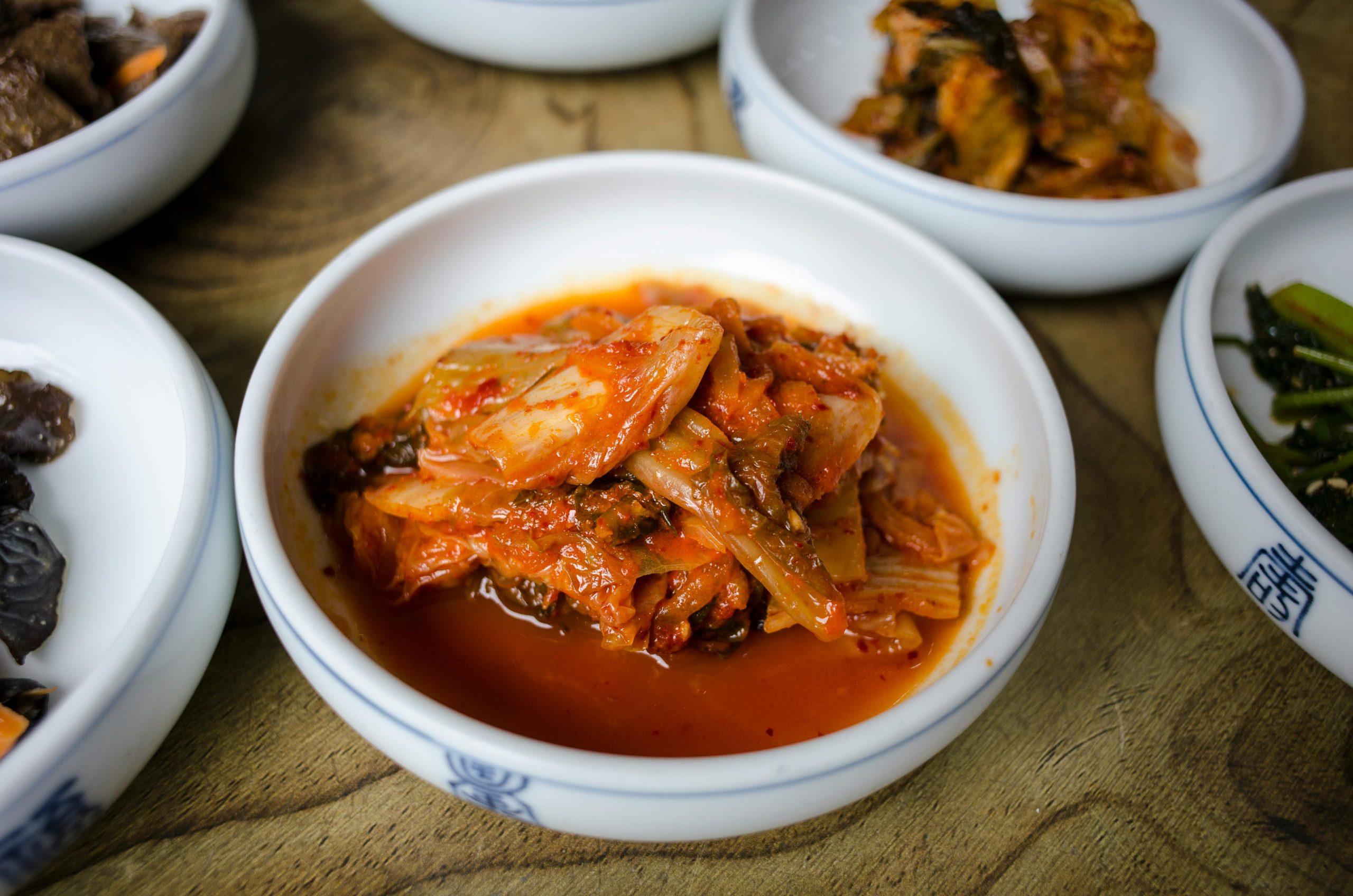
Kimchi and sauerkraut are both lacto-fermented vegetables, meaning they are fermented by naturally occurring Lactobacillus bacteria rather than added starter cultures. This process produces lactic acid, which preserves the food while creating an environment that supports beneficial microbial growth in the gut. Kimchi, a Korean staple made primarily from napa cabbage and chili pepper, also contains garlic and ginger — both of which have independently documented antimicrobial and anti-inflammatory properties that complement the probiotic effect.
Whether you’re buying kimchi or sauerkraut, it’s important to make sure you’re getting the refrigerated, raw kind. If it’s sold on a shelf and doesn’t need to be refrigerated, it’s likely been pasteurized, which kills the live cultures. Look for the words “raw,” “unpasteurized,” or “contains live cultures” on the label to make sure you’re getting the probiotic benefits. Adding two to four tablespoons of kimchi or sauerkraut to your meal as a side dish or condiment is an easy, low-calorie way to increase your microbial diversity.
Using Kombucha, Miso, and Tempeh as Complementary Foods
Kombucha is a fermented tea drink that contains beneficial bacteria and acids produced during fermentation. It adds variety to a fermented food routine and is easy to incorporate as a beverage substitute. However, there is an important caveat for people recovering from alcohol use disorder: commercial kombucha can contain trace amounts of alcohol — typically between 0.5% and 3% ABV depending on the brand and fermentation time. Some products are specifically brewed to stay below 0.5% ABV and are labeled as such. Anyone in recovery from alcohol should check labels carefully and consult with a treatment provider before including kombucha regularly.
Miso, a fermented soybean paste commonly used in Japanese cooking, can be dissolved in hot (but not boiling) water to create a quick, probiotic-filled soup. The cultures in miso are killed when boiled, so keeping the water temperature under 115°F helps maintain the benefits. Miso also has glutamate, which aids in repairing the gut lining — a particular benefit for those recovering from alcohol addiction, as intestinal permeability is a common issue.
Tempeh is a dense, protein-rich cake made from fermented whole soybeans. Unlike tofu, which is not fermented, tempeh is fermented using a mold called Rhizopus oligosporus. This fermentation process improves protein digestibility and creates beneficial metabolites. With about 19 grams of protein in every 100-gram serving, tempeh is a great choice for people in recovery who need to rebuild their muscle mass and repair tissue damage caused by long-term substance use.
Maximize the Benefits of Fermented Foods by Pairing Them with Fiber
While fermented foods introduce beneficial bacteria to the body, it’s fiber that keeps those bacteria alive and thriving. Prebiotic fibers, which can be found in foods like oats, garlic, onions, leeks, asparagus, bananas, and legumes, pass through the body undigested and end up in the colon. Here, they serve as fuel for beneficial microorganisms. Without enough fiber, the probiotics introduced through fermented foods won’t have the resources they need to survive and multiply. When you include both in your diet, you get a compounding effect: the fermented foods help rebuild microbial populations, while the fiber gives those populations what they need to produce short-chain fatty acids, reduce inflammation, and support the gut-brain axis over time. It’s like planting seeds and then watering them so they can grow.
Introducing Fermented Foods to a Recovery Diet
It is crucial to start slow. Eating too much fermented food too quickly can cause temporary bloating, gas, and digestive discomfort. This is especially true for a gut that has been damaged by substance use and is not used to high levels of microbial activity. Start with one small serving per day. This could be two to three tablespoons of sauerkraut, a half-cup of yogurt, or four ounces of kefir. This gives your digestive system time to adjust. You can then slowly increase your intake over the next two to four weeks.
It’s not about how much you consume, but how regularly you consume it. A little bit of fermented food every day is more effective at maintaining gut bacteria than eating a lot every once in a while. Incorporating fermented foods into your regular meals — like eating yogurt for breakfast, using kimchi as a condiment for dinner, or sipping on miso broth in the afternoon — can make it feel less like a chore and more like a normal part of your daily diet.
Begin Gradually to Prevent Digestive Issues
Long-term substance abuse can wreak havoc on the gut, leaving it unprepared for a sudden influx of microbial activity. Starting with a small daily serving of fermented food — about two to three tablespoons of sauerkraut or kimchi, half a cup of plain yogurt, or four ounces of kefir — allows the digestive system to adjust. After one to two weeks, most people can safely increase their intake without experiencing the gas and bloating that can result from moving too quickly.
Don’t be alarmed if you feel some discomfort after consuming fermented foods. It’s not an indication that these foods are bad for you. In fact, it’s usually a sign that your gut microbiome is undergoing changes, which is what you want. If you’re feeling discomfort, it’s best to reduce the amount you’re eating and gradually increase it over time. Most people find that they’re able to eat more fermented foods without any discomfort after a few weeks. For more insights on gut health, check out how superfoods support alcohol detoxification.
Easy Everyday Practices for Consistency
The best approach is to incorporate fermented foods into meals that are already part of a daily regimen. A morning bowl of Greek yogurt with oats and banana provides both probiotics and prebiotic fiber. A side of kimchi or sauerkraut with lunch or dinner enhances microbial diversity without necessitating any additional preparation. A small cup of miso soup in the afternoon can substitute a snack while providing both probiotics and support for the gut lining.
Meal planning can also be a big help. If you keep a jar of raw sauerkraut in your fridge and a bottle of plain kefir within easy reach, you’ve already made the decision to include fermented foods in your diet – there’s nothing standing in your way. This kind of simplicity is particularly valuable during recovery, when you’re already dealing with a lot of mental strain and decision fatigue.
Keeping a record of what you eat for the first couple of weeks can also help to establish a routine. Just jotting down what fermented food you ate and when on a calendar or in a notes app can hold you accountable and help you to see any patterns that emerge — such as realising that your mood or the quality of your sleep seems to improve on the days when you consistently eat fermented foods.
Fermented Foods: A Component of a Comprehensive Recovery Plan
While fermented foods have been shown to be a potent tool, they are not a cure-all for substance use disorder or the accompanying mental health challenges. They are most effective when incorporated into a holistic recovery plan that includes evidence-based therapy, peer support, medical care (if needed), sufficient sleep, physical activity, and a balanced diet. The gut-brain axis is influenced by all of these factors at once, and focusing on one without addressing the others can limit the overall effectiveness.
Imagine fermented foods as a means of eliminating a physiological hindrance — gut dysbiosis and its subsequent impact on mood, cognition, and cravings — that could otherwise impede the progress achieved through other recovery efforts. When the gut is on the mend, the brain is provided with a more conducive biochemical environment for its own healing. This is not a substitute for therapy or community, but rather a fundamental layer that enhances the effectiveness of everything else.
Common Questions
Nutrition for recovery brings up a lot of unique questions, especially for people who are just learning about the gut-brain connection. The answers below directly address the most common areas of confusion.
Fermented Food
Key Benefit in Recovery
Serving Suggestion
Watch Out For
Kefir
High microbial diversity, B vitamins, protein
4–8 oz daily, plain preferred
Added sugar in flavored versions
Plain Yogurt
Live cultures, protein, calcium
½ cup with meals or as a snack
Pasteurized versions without live cultures
Kimchi
Diverse Lactobacillus strains, anti-inflammatory compounds
2–4 tbsp as a condiment
High sodium content
Sauerkraut
Gut lining support, lactic acid bacteria
2–4 tbsp with meals
Pasteurized shelf-stable versions
Miso
Glutamate for gut repair, easy to prepare
1 tbsp dissolved in warm water
Do not boil — destroys live cultures
Tempeh
High protein, whole-food fermentation
100g serving as a protein source
Soy allergies
Kombucha
Diverse acids and beneficial bacteria
4–8 oz with a meal
Alcohol content — check labels carefully
Use this table as a practical reference when building a fermented food routine. Start with one or two options that fit naturally into existing meals, then expand variety over time as tolerance increases.
Can fermented foods help with alcohol cravings?
Although fermented foods don’t have the ability to directly curb cravings like certain medications, such as naltrexone, they can help to alleviate some of the biological conditions that can exacerbate cravings. Gut dysbiosis can lead to systemic inflammation and interrupted neurotransmitter production, both of which can increase psychological stress and subsequently the desire to use substances as a way to cope. When the gut microbiome begins to heal with the consistent consumption of fermented foods, the underlying biological stress can decrease, which can make cravings feel less intense over time.
While the impact is slow and not straightforward, it is based on genuine physical processes. Many people in recovery who include gut health in their overall strategy often say that cravings are easier to handle — not because fermented foods directly suppress them, but because the internal environment that fuels them has changed.
How long does it take for fermented foods to improve gut health in recovery?
Notable changes in gut microbiome composition can start within one to two weeks of consistent fermented food consumption, though significant, stable improvements usually take four to eight weeks of daily intake. Recovery timelines vary depending on the severity of gut damage caused by substance use, overall diet quality, stress levels, and whether fiber intake is adequate to support new microbial growth. Progress is real but not instant — consistency over months produces compounding results that short-term efforts do not.
Can fermented foods be eaten during all stages of recovery?
For most people, yes. Fermented foods are whole foods with established safety profiles, and they are appropriate across all stages of recovery from the earliest days of sobriety onward. The main adjustment needed is starting with small amounts and increasing gradually to avoid digestive discomfort in a gut that is still healing. For more on this topic, read about how superfoods support alcohol detoxification.
It’s important to note that if you have certain health conditions, like histamine intolerance, small intestinal bacterial overgrowth (SIBO), or certain immune conditions, you should talk to your doctor before adding a lot of fermented foods to your diet. These conditions can actually cause fermented foods to worsen symptoms instead of improving them, and your doctor can help you figure out the best approach for your specific situation.
Can people recovering from alcohol addiction safely drink kombucha?
One of the most important questions in recovery nutrition is whether or not kombucha is safe for people recovering from alcohol use disorder. The truth is, it varies. Commercial kombucha does contain trace amounts of alcohol that are produced during fermentation. This usually ranges from 0.5% to 3% ABV. According to U.S. federal guidelines, products that are labeled as non-alcoholic must stay below 0.5% ABV. However, the alcohol content can vary between different batches and brands.
For those recovering from alcoholism, even a small amount of alcohol — or just the taste of a fermented, slightly tangy drink — can spark cravings or seem like an unnecessary gamble. Whether or not to include kombucha in your diet should be discussed with a healthcare provider or therapist who is familiar with your personal recovery journey and triggers. Kefir, yogurt, kimchi, and sauerkraut are all just as beneficial substitutes that don’t carry any of the concerns associated with alcohol.
What is the recommended daily intake of fermented food for individuals in recovery?
According to a prospective cohort study published in the Frontiers in Nutrition, consuming more than 1,600 grams of fermented food per week — which is roughly 228 grams or just under one cup per day — has been found to offer significant mental health benefits. This is a realistic and attainable goal for most individuals and does not necessitate consuming large amounts in one sitting.
Dividing that into two or three portions throughout the day — such as having yogurt for breakfast, a few tablespoons of sauerkraut for lunch, and a small portion of kefir or miso in the evening — spreads the microbial intake over the course of the day and maintains a more consistent level of probiotics in the gut than a single large portion would.
For most people in early recovery, the best approach is to start well below that target and build up over two to four weeks. Most digestive systems can handle a starting point of 50 to 100 grams per day, which is about a quarter cup of yogurt or a few tablespoons of kimchi. This can be increased as comfort allows.
Don’t worry if 228 grams a day seems like a lot. It’s better to regularly eat some fermented foods than none at all. The health benefits for your gut depend on how often you eat these foods, not just how much you eat. Start with what you can manage and slowly increase your intake. If you need help with your diet and recovery, and remember that gut health matters in your journey to recovery.
Many people in recovery from substance use disorders find that their bodies crave sugar. This is because substances like alcohol and drugs often affect the gut microbiome, leading to a desire for sugary foods. Fermented foods can help to restore balance to the gut microbiome and reduce sugar cravings.
Additionally, fermented foods are rich in probiotics, which are beneficial bacteria that support gut health. These probiotics can help to improve digestion, boost the immune system, and even enhance mood. This can be particularly beneficial for individuals in recovery, as they often struggle with digestive issues, weakened immune systems, and mood disorders.
Another benefit of fermented foods is that they are often high in B vitamins, which are essential for energy production and brain health. Many people in recovery are deficient in B vitamins due to poor nutrition and the damaging effects of substance use on the body. By incorporating fermented foods into their diet, individuals in recovery can help to replenish their B vitamin levels and support their overall health.
Lastly, fermented foods can help to support liver health. The liver is often damaged by substance use, and fermented foods can help to support its function and aid in detoxification. This can be particularly beneficial for individuals in recovery, as supporting liver health can help to speed up the recovery process and reduce the risk of relapse.
In conclusion, fermented foods offer a range of benefits for individuals in recovery from substance use disorders. By incorporating these foods into their diet, individuals in recovery can support their gut health, boost their immune system, improve their mood, replenish their B vitamin levels, and support their liver health.