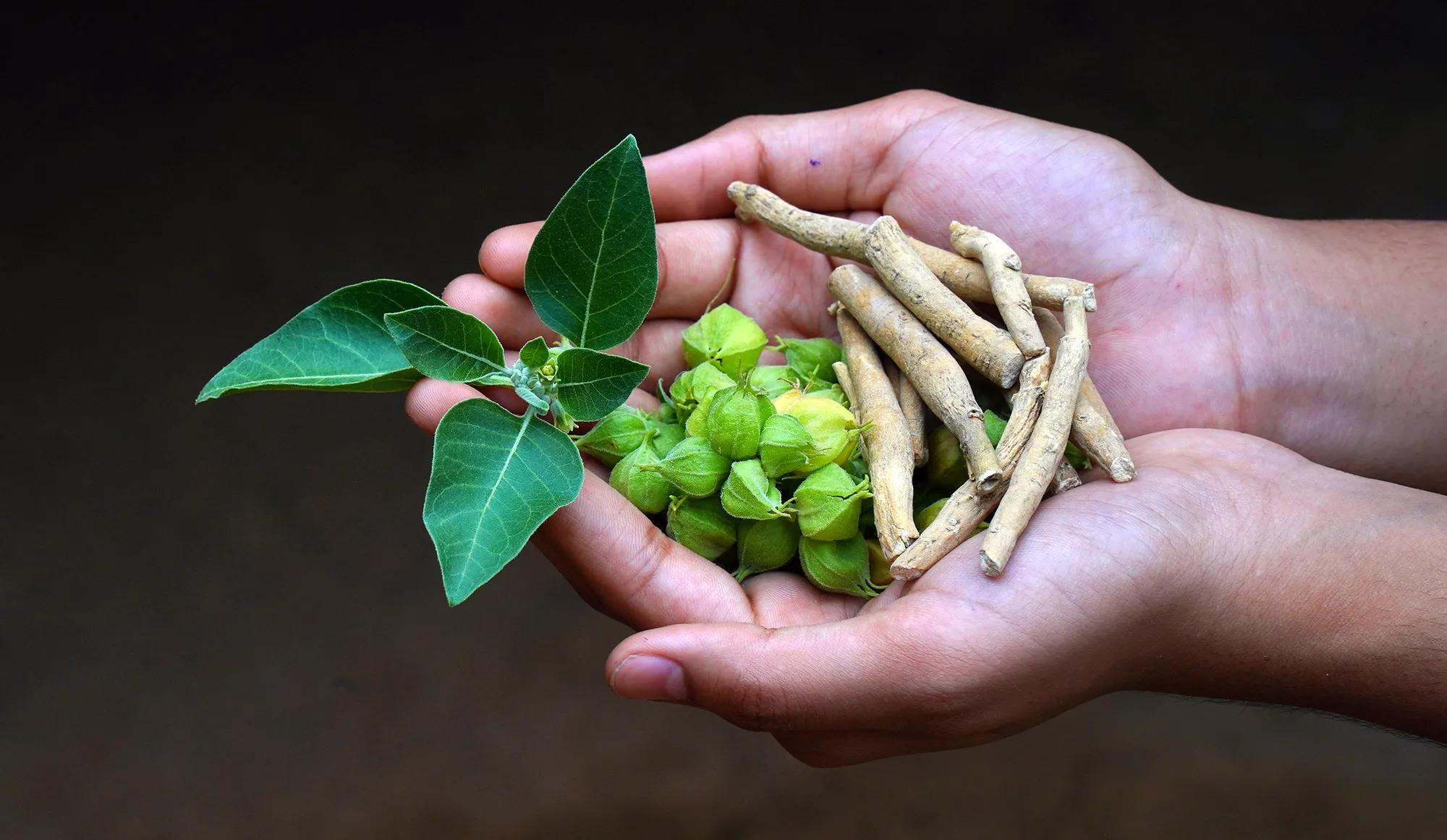
Quick Facts About Ashwagandha and Stress Management
- Stressed adults who took ashwagandha for 60 days saw a reduction in cortisol levels by up to 23% according to clinical studies.
- Randomized, double-blind, placebo-controlled trials have confirmed that ashwagandha can reduce scores on validated stress and anxiety scales, including the Hamilton Anxiety Rating Scale (HAM-A) and the Perceived Stress Scale (PSS).
- During withdrawal, cortisol and stress hormones become chronically elevated. Ashwagandha targets this hormonal imbalance through the HPA axis.
- Most clinical studies used the aqueous root extract form of ashwagandha. Dosage is more important than most people realize. Keep reading to learn why.
- Ashwagandha can support stress recovery but it is not a substitute for medical supervision during withdrawal.
Withdrawal can cause the body’s stress response to go into overdrive. Ashwagandha is one of the few natural compounds that has real clinical data to back up its ability to help.
If you’re going through withdrawal — from drugs, medication, or other addictions — managing stress isn’t just a good idea, it’s a necessity. Your body’s hormone systems get out of whack, your cortisol levels go through the roof, and your anxiety can seem never-ending. Knowing what tools you have at your disposal, and what the research really says, can make a big difference in how well you recover. Wellbeing during withdrawal resources are increasingly pointing to ashwagandha as one of the most proven natural treatments out there.
Reducing Cortisol Levels by 23% with Ashwagandha — What This Means for Withdrawal
During an 8-week, randomized, double-blind, placebo-controlled study, ashwagandha supplementation was linked to a 23% decrease in fasting morning cortisol, compared to a mere 0.5% increase in the placebo group. For individuals in withdrawal — where cortisol levels are already persistently high — this is a significant figure. Lower cortisol levels translate to less physical tension, decreased anxiety, and a nervous system that can begin to relax.
How Ashwagandha Functions as an Adaptogen
Although Ashwagandha (Withania somnifera) is an Ayurvedic herb with a long history of use, its unique quality is its status as an adaptogen — a substance that aids the body in resisting and adjusting to physical and mental stressors. Adaptogens, unlike stimulants or sedatives, function by regulating the body’s stress response mechanisms rather than supplanting them.
What Makes Adaptogens Different From Other Stress Supplements?
Unlike most stress supplements, which either stimulate or sedate, adaptogens like ashwagandha are bidirectional. This means they can help to regulate stress responses, whether the system is underactive or overactive. This makes them especially useful during withdrawal, as the stress system is dysregulated, not just elevated.
Supplement Type Mechanism Effect on HPA Axis Withdrawal Suitability Ashwagandha (Adaptogen) Modulates HPA axis activity Normalizes cortisol High Benzodiazepines GABA receptor agonist Suppresses response Contraindicated in many cases Caffeine Adenosine receptor blocker Elevates cortisol Low Magnesium NMDA receptor regulation Mild calming effect Moderate
What sets ashwagandha apart in the context of withdrawal is precisely this regulatory quality. It doesn’t force the body into calm — it supports the body in finding its own equilibrium again. Learn more about the role of magnesium in alcohol detoxification to understand how supplements can aid in this process.
What Makes Ashwagandha Work?
The main active ingredients in ashwagandha are withanolides, a type of natural steroidal lactone found in the root. These compounds are what give the herb its adaptogenic and anxiolytic qualities. Studies have mainly used high-concentration, full-spectrum root extracts because they maintain the full withanolide profile that seems to be needed for a therapeutic effect.
It’s incredibly important to note that the level of standardization in the extracts used in clinical trials, like the Shoden extract that’s standardized to 35% withanolide glycosides, can have a significant impact. Even at doses as low as 240 mg per day, these extracts have demonstrated measurable results. This is why the standardization level is so crucial. Raw ashwagandha powder and low-quality supplements can have wildly varying amounts of actual withanolide content.
- Withanolides: Primary active compounds with anti-stress and anti-inflammatory properties
- Withaferin A: A specific withanolide with neuroprotective effects documented in animal models
- Alkaloids (isopelletierine, anaferine): Support the calming and sedative properties of the root
- Sitoindosides: Contribute to ashwagandha’s antioxidant and adaptogenic actions
The Science of Stress During Withdrawal
Withdrawal isn’t just psychological discomfort. It triggers a genuine physiological stress cascade that affects hormones, the immune system, cardiovascular function, and neurochemistry simultaneously. Understanding what’s happening in the body makes it easier to see why ashwagandha’s specific mechanisms are so relevant.
Why Cortisol Levels Rise During Withdrawal
When the body is denied a substance it has become reliant on, it sees this as a threat — and the hypothalamic-pituitary-adrenal (HPA) axis reacts in kind. The hypothalamus communicates with the pituitary gland, which prompts the adrenal glands to inundate the body with cortisol. This is the same hormonal response that occurs in the face of immediate danger, except during withdrawal, it doesn’t neatly switch off.
- Cortisol elevates blood glucose, increasing agitation and energy instability
- Chronic cortisol elevation suppresses immune function and disrupts sleep architecture
- Prolonged HPA activation contributes to anxiety, depression, and difficulty concentrating
- Elevated cortisol also interferes with the production of DHEA-S and testosterone, compounding hormonal imbalance
Research published in Medicine (Baltimore) (2023) confirmed that ashwagandha root extract directly attenuates HPA axis hyperactivity, reducing both the frequency and intensity of this cortisol response in chronically stressed adults.
How Chronic Stress Upsets Hormonal Balance
In addition to cortisol, the persistent stress of withdrawal can knock the entire endocrine system off balance. DHEA-S, a hormone that mitigates some of the more harmful effects of cortisol, usually decreases when cortisol levels stay high for too long. This creates a snowball effect where the body loses its natural hormonal safety net just when it needs it the most.
People often experience a hormonal imbalance in the form of fatigue, mood swings, brain fog, and a decreased ability to handle even minor stress. This is one of the reasons why withdrawal can feel so disproportionately overwhelming. The body’s internal regulation systems are genuinely compromised, not just temporarily stressed.
How DHEA-S and Testosterone Aid in Stress Recovery
Several clinical studies have explored the impact of ashwagandha on DHEA-S and testosterone levels, in addition to cortisol. A 60-day randomized, double-blind, placebo-controlled trial, which was published in Medicine (Baltimore) (2023), found that ashwagandha supplementation was linked to a significant decrease in cortisol and DHEA-S levels. The study also found an upward — albeit not statistically significant — trend in testosterone levels among male participants. These hormonal changes indicate that ashwagandha may help to create a more balanced hormonal environment during the recovery phase.
Research Proof: The Effect of Ashwagandha on Stress Hormones
The clinical studies on ashwagandha aren’t just hearsay — they’re based on several randomized, double-blind, placebo-controlled trials that included hundreds of participants who had proven stress and anxiety. This is the best form of clinical proof, and ashwagandha has certainly earned its spot in it.
Chandrasekhar, Kapoor, and Anishetty conducted a landmark study published in the Indian Journal of Psychological Medicine (2012) that evaluated a high-concentration, full-spectrum ashwagandha root extract in 64 subjects over 60 days. The participants showed significant reductions across all stress assessment scale scores — results that have since been replicated and expanded upon in subsequent research. The extract was also well-tolerated, with no significant adverse effects reported across study populations.
Findings from the 60-Day Randomized Double-Blind Study
In a milestone 60-day trial, ashwagandha root extract was evaluated in healthy adults who were experiencing stress and anxiety. The trial followed a randomized, double-blind, placebo-controlled design. The participants were assessed using validated tools such as the Perceived Stress Scale (PSS) and serum cortisol measurements at the beginning and end of the study. Those who received ashwagandha showed a statistically significant reduction in stress scores compared to the placebo. Improvements were also observed in sleep quality, which is a crucial factor during withdrawal recovery.
Lowering Cortisol: 23% Decrease vs 0.5% Increase in Control Group
The data here are remarkable and worth considering. In the 8-week randomized controlled study, those who took ashwagandha saw a 23% decrease in fasting morning cortisol, compared to a negligible 0.5% increase in the control group. Morning cortisol is the body’s primary stress hormone signal for the entire day — when it’s constantly high during withdrawal, everything from mood to sleep to immune function is affected. A 23% decrease in that single biomarker indicates a significant change in how the body is handling its stress, not just a subjective feeling of tranquility.
What DHEA-S Changes Mean for Recovery
- When cortisol is chronically elevated, DHEA-S naturally declines, removing the hormonal counterbalance of the body
- Supplementing with Ashwagandha was linked to a significant reduction in DHEA-S in a clinical trial setting, suggesting active hormonal remodeling
- Specifically in men, a positive trend toward increased testosterone was observed, though this did not reach statistical significance
- The overall hormonal picture suggests that ashwagandha helps re-establish a more balanced endocrine environment during recovery
These hormonal changes matter beyond just the numbers. During withdrawal, the endocrine system is often described by researchers as being in a state of sustained alarm — the body is burning through hormonal resources faster than it can replenish them. Ashwagandha appears to interrupt this cycle rather than simply masking its symptoms. For more on natural remedies, explore milk thistle for liver recovery during detox.
What’s also interesting to note is that the extract used in these studies was well-received by participants, with no significant negative side effects reported. This safety profile is especially important in withdrawal contexts, where the body is already under a lot of physiological stress and adding harsh or reactive compounds can create more issues instead of solving the current ones.
There’s a lot to be said for the power of repetition, especially when it comes to scientific research. The fact that the same results were found in numerous independent studies, from the 2012 study by Chandrasekhar to the 2023 study published in Medicine (Baltimore), lends a lot of weight to these findings. When you see the same results popping up in different studies, with different research teams, different groups of people, and over different lengths of time, it makes the evidence a lot more reliable than if it was just based on one study.
Proven Mental Health Benefits in Clinical Trials
Stress hormones are only part of the picture — validated psychological assessments fill in the gaps. Clinical trials on ashwagandha have consistently relied on established, peer-reviewed measurement tools to monitor changes in anxiety, depression, and stress, providing researchers with a standardized method to compare results across different groups and study designs. The mental health results noted in these trials are as convincing as the hormonal data.
Results from the Hamilton Anxiety Rating Scale
The Hamilton Anxiety Rating Scale (HAM-A) is a popular clinical tool used to measure the severity of anxiety. It measures both psychological and physical symptoms of anxiety across 14 different items. In trials where a standardized ashwagandha extract was used, including the Shoden extract at 240 mg daily, participants showed significant reductions in their HAM-A scores compared to the placebo group. These were not minor improvements. The reductions showed a clinically significant decrease in the burden of anxiety, including physical symptoms of anxiety such as muscle tension, cardiovascular reactivity, and sleep disturbance. All of these symptoms are extremely relevant during withdrawal.
Results from the Depression, Anxiety, and Stress Scale-21
The Depression, Anxiety, and Stress Scale-21 (DASS-21) is a tool used to measure three separate, but overlapping, areas of mental distress. Clinical research has shown that supplementing with ashwagandha can result in measurable improvements across all three DASS-21 subscales. This suggests that the benefits of ashwagandha go beyond simply reducing cortisol levels and actually reach into the realm of mood regulation. This is especially significant for someone going through withdrawal, where depression, anxiety, and stress often occur together and feed off of each other. A substance that can address all three of these areas at the same time, instead of just focusing on one, can be a major benefit in a recovery setting.
Using Ashwagandha for Stress in Withdrawal: A Guide
It’s not enough to just know that ashwagandha is effective — you need to know how to use it properly to get the desired results. The clinical trials that demonstrated these benefits used particular types of extracts, doses, and administration methods. If you deviate significantly from these guidelines, you’ll also be deviating from the evidence. For those interested in complementary approaches, you might also consider milk thistle for liver recovery during alcohol detox.
Suggested Dosage According to Clinical Studies
Various ashwagandha dosages have been utilized in clinical studies, all of which have proven to be effective. The Chandrasekhar study from 2012 used a high-concentration, full-spectrum root extract and found a significant reduction in stress. The trials using the Shoden extract used 240 mg once daily and saw a noticeable improvement in HAM-A scores. Another study that looked at stress and overweight adults used ashwagandha 250 mg and found a significant reduction in PSS scores as well as improved sleep quality. The majority of doses supported by research fall within the 240 mg to 600 mg per day range, with the 60-day trial looking at doses at both the lower and higher ends of this range. Starting at the lower end and evaluating tolerance over the first two to four weeks is a good strategy, especially during withdrawal when the body’s sensitivity to supplements may be increased.
Root Extract vs Other Forms: What the Research Shows
Every significant clinical trial that has shown positive results used a water-based root extract — not leaf extract, not raw powder, not ashwagandha-infused drinks. This is important because the concentration and bioavailability of withanolides can vary greatly between forms. The full-spectrum root extract maintains the complete withanolide profile, including the specific compounds that seem to be responsible for modulating the HPA axis. When choosing an ashwagandha supplement for stress management during withdrawal, look for products that specify they contain root extract, state a standardized withanolide percentage, and have been tested by a third party for purity and potency. Products that simply list “ashwagandha” without specifying the type of extract or withanolide content provide no reliable assurance that they are equivalent to what has been studied.
When Should You Take It and How Long Until You See Results?
Many people underestimate the importance of timing and consistency when it comes to taking ashwagandha. The 60-day study by Chandrasekhar et al. found that significant reductions in stress scores were measurable by the end of the study period. An 8-week randomized controlled trial confirmed similar timelines. Most clinical research suggests that it takes a minimum of 4 to 8 weeks of consistent daily supplementation before the full effects on cortisol become measurable. Some participants in trials reported improvements in sleep quality and perceived stress within the first two weeks. However, hormonal changes — a deeper sign of genuine HPA axis modulation — take longer to appear. Take ashwagandha consistently at the same time each day, ideally with food to aid absorption and reduce the risk of any gastrointestinal sensitivity. Taking it in the morning aligns with the body’s natural cortisol rhythm, but it has also been used effectively in sleep-focused protocols when taken in the evening.
What Ashwagandha Can’t Do in Withdrawal
Ashwagandha is not a detoxifying agent, craving suppressant, or a substitute for medical supervision during withdrawal. It does not address the neurochemical rebound effects associated with specific substance withdrawals — especially alcohol, benzodiazepines, or opioids — which can be serious and potentially fatal. No adaptogen, no matter how well-researched, can replace the need for medically supervised withdrawal management in high-risk situations. Ashwagandha’s role is to provide support: it helps regulate the stress hormone environment, reduces the burden of anxiety, and supports sleep — all of which improve the overall conditions for recovery.
However, it doesn’t replace the fundamental parts of recovery: regular sleep, proper nutrition, social support, and professional advice. Think of ashwagandha as a well-supported tool in a larger toolkit, not a standalone solution. The research is convincing, but it was done on generally healthy adults with mild to moderate stress — not on people in acute clinical withdrawal. That distinction should guide how you incorporate it into your own recovery plan.
Ashwagandha Is One of the Most Clinically Supported Natural Stress Remedies Available
In numerous randomized, double-blind, placebo-controlled trials, ashwagandha root extract has shown consistent, measurable reductions in cortisol, anxiety scale scores, and perceived stress, with a safety profile that holds up across study populations. For anyone dealing with the hormonal and psychological burden of withdrawal, that evidence base is genuinely meaningful. When used correctly, at research-supported doses, in its clinically studied root extract form, ashwagandha provides real physiological support during one of the most demanding periods the body can go through.
Common Questions
The following questions address the most frequently asked topics about using ashwagandha specifically for withdrawal and managing stress. The responses are based on clinical research, not general health claims.
Before you start taking any supplements, including ashwagandha, while under medical supervision for withdrawal, you should discuss it with your healthcare provider.
How Long Does It Take For Ashwagandha To Reduce Stress During Withdrawal?
According to clinical trials, significant decreases in perceived stress and anxiety levels are usually noticeable after 4 to 8 weeks of daily supplementation. Some people report subjective improvements in sleep and anxiety within the first two weeks, but the measurable hormonal changes — especially the cortisol reduction documented in studies — are most evident at the 60-day mark. The recovery process from withdrawal is not linear, and the benefits of ashwagandha build up gradually through regular use rather than providing immediate relief.
Can I Take Ashwagandha During Withdrawal?
Studies show that ashwagandha root extract is generally safe with no serious side effects reported. However, when it comes to withdrawal, there are additional factors to consider. These include current medications, physiological sensitivity, and possible drug interactions. Ashwagandha is known to interact with thyroid medications, immunosuppressants, and sedatives. If you are taking prescription medications during withdrawal, you should check with a healthcare provider before starting ashwagandha.
Withdrawal from certain substances, particularly alcohol or benzodiazepines, can be medically dangerous and require direct clinical supervision. Ashwagandha can help manage stress during recovery, but it does not mitigate the acute neurological risks associated with these specific types of withdrawal. Medical supervision is absolutely necessary in these cases, and ashwagandha should only be considered as an additional support once safety has been ensured. For more information on the importance of medical supervision, you can read about the unexpected dangers of alcohol withdrawal.
Which Type of Ashwagandha Is Most Effective for Stress Reduction?
Studies have consistently shown that aqueous root extract is the most potent and reliable form. Here are some things to look for when choosing a product:
Here are some things to look for when buying ashwagandha:
- Specifically root extract — not leaf extract or generic “ashwagandha powder”
- Standardized withanolide content — look for products that specify a standardized percentage of withanolides (for example, Shoden is standardized to 35% withanolide glycosides)
- Third-party testing — independent verification of potency and purity reduces the risk of label inaccuracies
- Dose transparency — products should clearly state the milligram amount of extract per serving, not just list ashwagandha as a proprietary blend
- Full-spectrum extract — preserves the complete withanolide profile rather than isolating single compounds
The Shoden extract used in HAM-A and DASS-21 trials demonstrated efficacy at 240 mg daily — a relatively low dose compared to some products on the market. This is worth noting because higher doses do not automatically mean better results; what matters is the standardization and bioavailability of the withanolide content, not just the total milligrams on the label.
When it comes to managing stress, capsule and tablet forms of Ashwagandha are usually more effective than loose powders. This is because they provide consistent, pre-measured doses that align with the protocols used in clinical research. On the other hand, the dose accuracy of Ashwagandha powder mixed into drinks can vary significantly. Plus, the taste — which is often described as earthy and bitter — can make it difficult for people to stick with the treatment for the minimum recommended period of 60 days.
Steer clear of products that mix ashwagandha with many other adaptogens or stimulants in undisclosed formulas, especially during withdrawal. It can be hard to figure out what’s working, what’s getting in the way, and what’s causing any side effects when you have a bunch of active ingredients — something that’s really important when your body is already feeling fragile.
Is Ashwagandha a Substitute for Medical Treatment During Withdrawal?
No. Ashwagandha is a supplement with strong supporting evidence, not a medical treatment. Withdrawal, especially from alcohol, opioids, or benzodiazepines, can involve serious physiological risks including seizures, cardiac events, and severe psychological episodes that need direct medical management. Ashwagandha’s proven benefits work at the level of stress hormone regulation and anxiety reduction, which are important contributions to recovery but do not address the acute neurological and physiological risks that clinical withdrawal management is meant to handle. Always work within a medically supervised framework and use ashwagandha as a complementary tool within that framework, not as a replacement for it.
Can Ashwagandha Assist with Sleep Issues During Withdrawal?
Yes, it can. One of the most frequently reported benefits in ashwagandha clinical trials is improved sleep, which is particularly relevant during withdrawal. Sleep disruption is one of the most common and severe symptoms of withdrawal. A randomized controlled trial found that the group taking 250 mg of ashwagandha had statistically significant improvements in sleep quality and reductions in PSS scores. This suggests that while cortisol reduction is a factor, it doesn’t entirely explain the sleep benefits.
The process works in several ways. Reducing cortisol lessens the physiological arousal that can keep you from falling asleep. Ashwagandha also contains compounds that have a mild GABAergic effect, which can help create a calming effect that promotes deeper, more restorative sleep. This combination of effects is especially helpful in withdrawal, when the nervous system is often in a state of prolonged hyperarousal.
Some sleep-focused studies have specifically looked at taking ashwagandha in the evening. There is some evidence to suggest that taking it 30 to 60 minutes before bed may enhance its sleep-supporting properties. However, most of the research focused on cortisol has used morning dosing to align with the natural cortisol awakening response. The best time to take it may depend on whether sleep or daytime anxiety is the main concern – and ideally, both should be discussed with whoever is supporting your recovery.