Books to Read During Alcohol Recovery: What Your Body Wants You to Know
- Alcohol takes away essential nutrients from the body — including B vitamins, magnesium, and zinc — making targeted nutrition a must-have part of true recovery.
- The best holistic nutrition books don’t just tell you what to eat; they explain why your body desires alcohol and how food can break that cycle.
- Books like Eating for Recovery by Molly Siple, R.D., M.S. include structured 21-day meal plans specifically designed to reverse alcohol-related physical damage.
- Nutrition alone won’t replace professional support, but it can dramatically reduce cravings, improve mood, and speed up physical healing during recovery.
- Keep reading to discover which book matches your recovery stage — and which nutrients you absolutely need to replenish first.
Most people don’t realize that recovery from alcohol use disorder is as much a physical battle as it is a mental one.
Regular alcohol consumption can slowly degrade your body’s nutritional base. It hampers nutrient absorption, reduces your liver’s vitamin processing capacity, and alters your brain chemistry in a way that makes cravings feel almost irresistible. Willpower can only go so far, but a well-nourished body stands a better chance. This is where holistic nutrition books for recovery can help. They offer scientifically validated strategies that tackle the physical causes of addiction, not just the symptoms.
If you’re trying to create a comprehensive recovery plan, holistic wellness resources that tackle nutrition as well as mental and emotional health provide a much more rounded view of what true healing entails.
Alcohol Recovery Requires More Than Just Determination
Long-term alcohol consumption results in noticeable nutritional deficiencies. Your liver, which is your main detoxification organ, is directly affected, which in turn affects your ability to store and activate crucial vitamins such as B1 (thiamine), B6, B9 (folate), and B12. Levels of magnesium, zinc, and selenium are also significantly reduced. These are not minor issues; a deficiency in thiamine alone can lead to Wernicke’s encephalopathy, a severe neurological disorder common in individuals with alcohol use disorder.
Recovery from the inside out means intentionally addressing these deficiencies through diet and specific nutrition tactics. The books listed below are the most useful, scientifically-based resources available to do just that.
1. Food for Recovery: The Complete Nutritional Companion for Overcoming Alcoholism, Drug Addiction, and Eating Disorders by Joseph Beasley
Even though it was written years ago, this book remains one of the most thorough guides to nutrition for those recovering from addiction.
What You’ll Learn
Food for Recovery by Dr. Joseph D. Beasley is a comprehensive guide to recovery nutrition. Beasley was a trailblazer in the field of addiction and nutritional medicine, and his expertise is evident in this book. He dives into the biochemistry of addiction, explains how different substances deplete specific nutrients, and gives readers a step-by-step guide to replenishing those nutrients.
This book doesn’t approach alcoholism, drug addiction, and eating disorders as separate problems with separate solutions. Instead, it acknowledges the intersecting nutritional impacts and addresses them together — a truly holistic approach that most books in this genre entirely overlook.
This book is exceptional in its precision. Beasley goes beyond giving generic advice such as “eat more vegetables” and delves into the specifics. She explains why the glycogen stores in the liver are depleted, how blood sugar irregularities contribute to cravings, and the role of amino acid therapy in restoring neurotransmitter balance.
“This book is a priceless, science-backed guide that provides all the tools necessary to incorporate nutrition into the recovery process.” — Barry S. Solof, MD, FASAM, Regional Chief, Addiction Medicine, Southern California Permanente Medical Group
How It Addresses the Physical Damage of Alcoholism
Beasley’s approach is based on the concept that addiction causes a biochemical imbalance that can be directly corrected by nutrition. He explains how alcohol damages the lining of the gastrointestinal tract, which decreases the absorption of fat-soluble vitamins like A, D, E, and K. At the same time, it overworks the liver to the point where it can no longer convert nutrients into their active, usable forms.
Rewrite the following human content into AI content:
Body System Affected
Key Nutrients Depleted
Recommended Food Sources
Nervous System
Thiamine (B1), B6, B12
Whole grains, eggs, legumes
Liver
Folate, Vitamin A, Zinc
Leafy greens, liver, pumpkin seeds
Immune System
Vitamin C, Selenium
Citrus fruits, Brazil nuts
Musculoskeletal
Magnesium, Calcium
Dark chocolate, dairy, almonds
What makes this so useful is that Beasley has taken the medical information and translated it into practical, everyday language. Instead of having to understand medical terms, the reader can see what foods they should eat to help their body recover from the damage caused by alcohol.
What You’ll Get: Meal Plans, Recipes, and Shopping Lists
Food for Recovery provides you with structured meal plans, easy-to-follow recipes, and shopping lists to make implementing the program as easy as possible. This is important because the early stages of recovery are often characterized by tiredness, confusion, and a lack of motivation — the last thing you need is a complex cooking program.
In a nutshell: If you’re looking for a book that marries the scientific aspects of addiction with practical nutritional advice, start with this one.
The Ideal Reader for This Book
This book is perfect for people in the early to middle stages of recovery who want to understand the biochemical reasons behind their symptoms and cravings. It’s also great for family members or healthcare providers who want a scientifically supported guide to nutritional support.
2. Eating for Recovery by Molly Siple, R.D., M.S.
Molly Siple’s Eating for Recovery: The Essential Nutrition Plan to Reverse the Physical Damage of Alcoholism is a highly accessible, practical guide for those in recovery from alcohol use disorder.

Understanding the Connection Between Nutrition and Recovery
In her book, registered dietitian Siple explains the science behind alcohol use and gastrointestinal damage in a clear and accessible way. She explains that alcohol can cause inflammation and erosion in the gut lining, which can then compromise your ability to absorb necessary nutrients. Her book breaks down this complex topic without oversimplifying the science.
She also discusses how blood sugar instability — a direct result of heavy drinking — leads to mood swings and energy crashes that can make early sobriety feel unbearable. The nutritional strategies she recommends are specifically designed to stabilize blood sugar, which in turn stabilizes mood and reduces cravings. For further insights, explore the importance of gut health in supporting alcohol detoxification.
Healing Foods for Alcohol-Related Health Problems
This book stands out for its unique “healing foods” lists, which pair specific foods with specific alcohol-related health issues. For instance:
- Liver support: Beets, artichokes, dandelion greens, and cruciferous vegetables
- Nervous system repair: Salmon, walnuts, flaxseed (rich in omega-3 fatty acids)
- Gut healing: Bone broth, fermented foods like kefir and sauerkraut, and prebiotic-rich foods
- Blood sugar stabilization: Legumes, oats, sweet potatoes, and other low-glycemic complex carbohydrates
- Mood and sleep: Turkey, eggs, and pumpkin seeds (tryptophan-rich foods that support serotonin production)
This level of specificity is rare in general nutrition books and makes Eating for Recovery a genuinely targeted tool rather than a generic healthy eating guide.
21-Day Meal Plan for Easy, Nutritious Eating
Siple has created a 21-day meal plan that makes eating during early recovery straightforward. Each day includes breakfast, lunch, dinner, and snacks that are designed with recovery-focused nutritional goals. The meal plan is based on foods that are simple to prepare, easy to find, and budget-friendly because recovery is already hard enough without adding the difficulty of cooking.
Dr. Christiane Northrup, M.D., said about the book: “Recovery from alcohol addiction is made infinitely easier by following the right diet. Eating for Recovery charts that path.” The 21-day structure provides a clear starting point, eliminating the overwhelming feeling that often accompanies trying to change eating habits all at once.
3. Rebalancing the Addictive Mind: Beating Addiction with Exercise and Nutrition
Ever felt like your brain just isn’t functioning the same after a heavy drinking session? You’re not wrong, and this book explains why, and what you can do about it.
The Importance of Exercise and Nutrition in Recovery
Recovery is more than just eliminating alcohol from your life. It’s about repairing the neurological damage caused by alcohol. Rebalancing the Addictive Mind argues that exercise and nutrition are not just additional wellness practices—they are essential clinical tools that work together to restore dopamine pathways, decrease anxiety, and rebuild the brain’s reward system. When you eat to promote neurotransmitter production and exercise to stimulate neurogenesis, you are actively repairing the damage at a cellular level.
Rebuilding Your Brain and Body with a Science-Based Approach
This book is based on research that shows that aerobic exercise increases brain-derived neurotrophic factor (BDNF), a protein that helps grow and repair neurons. This is incredibly important in recovery because alcohol suppresses BDNF production, which is why depression and cognitive fog are so common in early sobriety.
From a nutritional standpoint, the book focuses on amino acid therapy, specifically the role of tyrosine and phenylalanine in the production of dopamine, and tryptophan in the production of serotonin. These are the neurotransmitters that are most affected by chronic alcohol use, and dietary protein is the direct precursor to rebuilding them.
This approach is especially appealing because the book presents these two interventions – movement and food – as a single, unified protocol, rather than two separate recommendations. This combination creates a feedback loop: better nutrition leads to better workouts, and consistent exercise improves appetite regulation, sleep quality, and motivation to eat well.
Is this book right for you?
If you are beyond the initial withdrawal phase and are seeking a structured, evidence-based approach to maintaining long-term sobriety, this book is ideal for you. It is particularly helpful for those who have battled with depression, low energy, or ongoing cravings even after achieving initial sobriety.
This book is also a great choice for healthcare providers, coaches, or sponsors who want to gain a deeper understanding of the physiological aspects of addiction recovery. This goes beyond the standard advice of “eat well and exercise more.”
4. The Sober Kitchen: Recipes and Guidance for a Lifetime of Sobriety
The Sober Kitchen by Liz Scott is a unique title on our list. Unlike the more clinical titles we’ve covered, this book starts with food. It uses the act of cooking and the kitchen itself as a tool for healing, creating routine, and rediscovering joy without the need for alcohol.
Scott, a recovered alcoholic herself, combines her personal experiences with nutritional research to create a book that is both deeply personal and practical. She understands that many people in recovery have a complicated relationship with both food and alcohol, something that clinical texts often overlook. She believes that rebuilding a healthy relationship with food is part of the broader healing process.
Recovery Stage
Focus Area
Suggested Meal Strategy
Early Recovery (0–90 days)
Blood sugar stabilization, gut healing
Small, frequent meals with complex carbs and lean protein
Mid Recovery (3–12 months)
Liver support, neurotransmitter rebuilding
Anti-inflammatory foods, amino acid-rich proteins, omega-3s
Long-Term Recovery (1+ years)
Sustained energy, emotional resilience
Mediterranean-style eating with diverse whole foods
This staging concept runs throughout The Sober Kitchen — the idea that what your body needs at 30 days sober is different from what it needs at 18 months sober. The recipes and guidance shift accordingly, making the book a resource you return to again and again rather than one you read once and shelve.
The recipes are simple, using ingredients that are easy to find and prepare. From anti-inflammatory turmeric soups to protein-packed breakfasts designed to prevent the mid-morning energy crash that can trigger cravings, every recipe has a functional purpose explained in plain language. For those interested in the role of nutrition in recovery, learn more about how superfoods support alcohol detoxification.
The Direct Connection Between Food Choices and Sobriety
Scott argues convincingly that the typical Western diet, loaded with refined sugar, processed carbs, and inflammation-causing fats, actively works against sobriety by causing blood sugar levels to fluctuate and mood swings to intensify. These fluctuations don’t just make people feel lousy; they replicate the emotional states that many people turned to alcohol to avoid in the first place. Learn more about nutrition for substance abuse recovery.
When you’re in recovery, opting for foods that are whole and packed with nutrients is more than just a healthy choice. It’s a way to prevent relapse. That’s the approach The Sober Kitchen takes, and it turns the desire to cook well into a real need instead of just a nice-to-have.
Real-World Kitchen Advice for Sustained Sobriety
This book does more than just provide recipes, it also offers advice on meal prepping for the inevitable low-motivation days that come with recovery. Scott suggests cooking staples such as roasted vegetables, cooked grains, and pre-portioned proteins in bulk on the weekends so that meals during the week require as little effort as possible. This is because being hungry and having to make decisions is a risky combination in early sobriety.
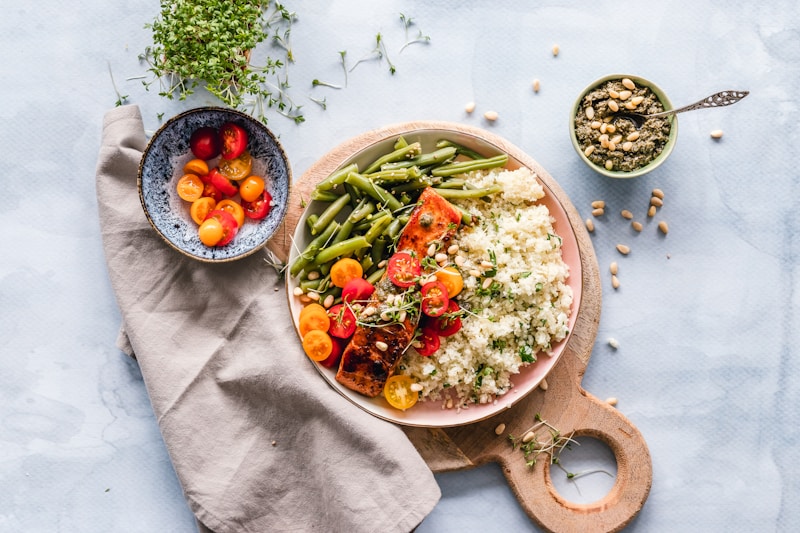
She also covers how to set up your pantry, specifically what staples you should always have on hand to make healthy eating the path of least resistance. Items like canned wild salmon, lentils, olive oil, frozen vegetables, nut butters, and oats form the backbone of her recovery pantry, and the reasoning behind each choice is clearly explained.
If you’ve ever found yourself in the kitchen after a long day, reaching for something harmful just because you’re too tired to think, this part of the book is worth reading.
5. Beyond the Influence: Understanding and Defeating Alcoholism by Katherine Ketcham
Written by Katherine Ketcham and William F. Asbury, Beyond the Influence looks at alcoholism as a brain disease. They use this perspective to argue that nutrition is not just an add-on to recovery but a key part of it. For more insights, explore how superfoods support alcohol detoxification.
Nutritional Implications of the Disease Model of Alcoholism
This book presents the argument that alcoholism is a disease rooted in genetics and neurology, rather than a moral failing or lack of discipline. This shift in perspective directly affects our understanding of the nutritional implications of alcoholism. Instead of asking, “why can’t this person stop drinking?” we start to ask, “what is happening at the biochemical level that makes it so difficult for this person to stop drinking, and how can nutrition help to correct it?” The authors identify several metabolic abnormalities that are often present in people with alcohol use disorder, including:
For example, understanding how superfoods support alcohol detoxification can provide insights into how nutrition can aid in recovery.
- Hypoglycemia (low blood sugar): Alcohol interferes with the liver’s ability to release stored glucose, causing chronic blood sugar instability that drives cravings
- Endorphin and dopamine dysregulation: Chronic alcohol use rewires the brain’s reward system, making normal pleasures feel flat and alcohol feel necessary
- Acetaldehyde toxicity: A byproduct of alcohol metabolism, acetaldehyde damages cells and depletes antioxidants like glutathione
- Malabsorption syndrome: Damage to the intestinal lining impairs the absorption of nearly every essential nutrient
- Amino acid depletion: Inadequate protein breakdown leads to shortfalls in glutamine, GABA precursors, and serotonin-building tryptophan
Understanding these mechanisms changes how you approach recovery eating. It’s no longer about “eating healthy” in a general sense — it’s about targeted nutritional repair of specific, identifiable damage.
Ketcham co-authored Eating Right to Stay Sober, which gives her a unique perspective on the nutritional aspects of this topic. Her expertise is evident in the book’s dietary advice, which is detailed, backed by science, and easy to follow.
How This Book Makes Medical Science Accessible and Practical for Everyday Nutrition
Beyond the Influence is a rare find in the realm of books, as it effectively communicates complicated addiction medicine in terms that are understandable for healthcare providers and people in recovery alike. It maintains the integrity of the science, while never forgetting about the reader who is personally dealing with this disease and is in need of practical, actionable advice. For those interested in additional resources, exploring how superfoods support alcohol detoxification can provide further insights into everyday nutrition.
Main Nutritional Tactics From the Book
In Beyond the Influence, the authors provide nutritional tactics that focus on stabilizing the biological terrain that alcoholism disrupts. They suggest a high-protein diet to ensure amino acids are available, regular small meals to avoid hypoglycemic episodes, and a strong focus on B-vitamin-rich foods to aid in neurological repair. They also talk about the role of glutamine supplementation in reducing alcohol cravings — a tactic that is supported by early clinical research and is becoming more recognized in integrative medicine circles.
It’s also worth noting that the book emphasizes the importance of reducing or completely eliminating refined sugar from your diet during recovery. This is because sugar can create a blood sugar rollercoaster that is very similar to the physical stress of alcohol withdrawal. This can quietly sabotage your sobriety by keeping your body in a state of metabolic instability.
Where Nutrition Stands in a Holistic Recovery Program
Nutrition is more than just an additional tactic in recovery—it’s the foundation. The physical harm brought on by chronic alcohol use is tangible, quantifiable, and can be directly mitigated by what you consume. Each book on this list argues this point convincingly, but the practical question remains: how does nutrition realistically fit into the day-to-day flow of a recovery program that also involves therapy, meetings, relationships, and reconstructing a life?
What you need to understand is that nutrition is always at work, even when you’re not thinking about it. While therapy can help you address your thought patterns and meetings can provide you with a sense of community, your nervous system, liver, gut, and brain are constantly interacting with the food you eat. You don’t have to be perfect, but you do need to be consistent and intentional. That starts with understanding what nutrients your body is lacking and why.
How Nutrient Deficiency Can Lead to Alcohol Cravings
Cravings aren’t just in your head. It’s been proven that cravings can be caused by low blood sugar, a lack of glutamine, and a lack of GABA precursors. These all contribute to the physical need to drink. When your brain doesn’t have enough of the amino acids it needs to make calming neurotransmitters like GABA and serotonin, it looks for the quickest way to get them. For someone with a history of alcohol use disorder, that quickest way is often a drink. One of the best ways to reduce the strength and frequency of cravings during recovery is to address these deficiencies. This can be done through food and targeted nutrition.
How Alcohol Depletes Nutrients and How to Replenish Them
Chronic alcohol use methodically strips the body of the nutrients it most requires for brain function, immune protection, and emotional balance. Replenishing them through food — and sometimes, supplementation directed by a healthcare professional — is a basic step in recovery.

Nutrient
Why It’s Depleted
How to Restore It
Thiamine (B1)
Alcohol blocks intestinal absorption and liver storage
Whole grains, legumes, fortified cereals, nutritional yeast
Folate (B9)
Alcohol interferes with folate metabolism and excretion
Dark leafy greens, lentils, asparagus, avocado
Magnesium
Increased urinary excretion and reduced dietary intake
Pumpkin seeds, spinach, dark chocolate, black beans
Zinc
Impaired absorption and increased loss through urine
Oysters, beef, chickpeas, hemp seeds
Vitamin C
Oxidative stress from acetaldehyde depletes stores rapidly
Bell peppers, kiwi, citrus fruits, broccoli
Glutamine
Alcohol suppresses glutamine synthesis in the gut
Cabbage, bone broth, eggs, grass-fed beef
Omega-3 Fatty Acids
Liver damage reduces ability to convert and utilize omega-3s
Wild salmon, sardines, walnuts, flaxseed
Building a Daily Nutrition Routine That Supports Sobriety
Structure is a powerful recovery tool, and your eating schedule is one of the easiest places to create it. Skipping meals — especially breakfast — allows blood sugar to drop, which triggers cortisol release, increases irritability, and creates the kind of low-grade physiological stress that makes cravings worse. Eating within an hour of waking, including protein at every meal, and avoiding long gaps between eating are simple but genuinely impactful habits that every book on this list recommends in some form. Start there before overhauling your entire diet, and build incrementally.
Top 5 Books for a Holistic Approach to Nutrition During Alcohol Recovery
Each of the five books we’ve selected approaches nutrition for recovery from a slightly different perspective – clinical biochemistry, practical meal planning, the connection between the brain and the body, healing in the kitchen, and the science of disease models. However, they all point to the same fundamental truth: what you eat during recovery is not a side issue. It directly affects how you feel, how intense your cravings are, how well you sleep, and how resilient you are when recovery becomes difficult. Whether you start with the 21-day meal plan in Eating for Recovery, the amino acid strategies in Beyond the Influence, or the guidance for a recovery pantry in The Sober Kitchen, you are making a decision to provide your body with the raw materials it needs to heal – and that decision is of great importance.
Commonly Asked Questions
Many people have questions about nutrition for recovery, especially if they are new to the concept of food as a healing tool instead of just sustenance or comfort. The most frequently asked questions usually revolve around whether nutrition really works, what should be prioritized, and how to begin without feeling overwhelmed.
These are simple responses to the most frequently asked questions.
Is it true that better nutrition can assist with alcohol cravings?
Yes, it’s true, and the process is well-documented. Alcohol cravings are influenced by blood sugar instability, a lack of neurotransmitter precursors, and a deficiency of GABA. Eating regular meals that include enough protein, complex carbohydrates, and healthy fats can help with all three of these factors. Simply stabilizing blood sugar—by eating regularly and cutting down on refined sugar—can significantly reduce the severity of physical cravings, especially in the early stages of recovery. While this is not a substitute for professional help, it is a valuable addition.
Which Nutrients Are Most Affected by Long-Term Alcohol Use?
People with alcohol use disorder often have critically low levels of thiamine (B1), folate (B9), B6, B12, magnesium, zinc, vitamin C, selenium, and omega-3 fatty acids. Thiamine deficiency is particularly serious — severe depletion can lead to irreversible neurological damage, which is why thiamine supplementation is a standard part of medical alcohol withdrawal protocols. The table above provides key nutrients and practical food sources to help restore each one.
Is There a Specific Diet That Supports Alcohol Recovery?
While there isn’t one particular diet that’s required, there are certain eating habits that are consistently recommended in the recovery nutrition literature. The common theme is a focus on whole, minimally processed foods — lean proteins, complex carbohydrates, healthy fats, and a wide variety of vegetables. Cutting down on refined sugar and ultra-processed foods is also highly recommended, as these foods can cause blood sugar levels to fluctuate and increase inflammation. The Mediterranean-style eating pattern is closely aligned with what most recovery nutrition books recommend and is a good starting point.
Are These Books Good for Someone Just Starting Their Recovery?
For the most part, yes — but with a few caveats. Eating for Recovery by Molly Siple and The Sober Kitchen by Liz Scott are both great places to start because they provide practical, easy-to-follow advice instead of complicated science. Food for Recovery by Joseph Beasley is more clinical and might be easier to understand once you’ve gotten through the initial stages of recovery. Beyond the Influence by Katherine Ketcham is a good resource at any stage for understanding the disease model, while Rebalancing the Addictive Mind is better suited for people who are ready to build a holistic lifestyle beyond the first 30 to 90 days.
Should These Books Be Used in Place of Medical Advice During Recovery?
No, and they don’t claim to be. Medical supervision is crucial during alcohol withdrawal, especially in the early stages where complications like seizures and Wernicke’s encephalopathy require clinical intervention. These books are meant to be educational and practical resources that supplement professional care, not replace it. However, the nutritional information in these books can make your conversations with healthcare providers more informed and productive. Additionally, several of these books, including Food for Recovery and Beyond the Influence, are specifically recommended by addiction medicine doctors as supplementary resources to clinical treatment.
- Use these books alongside — not instead of — medical and therapeutic support
- Start with one book and one actionable change rather than trying to overhaul everything at once
- Prioritize blood sugar stabilization and B-vitamin restoration in early recovery
- Consider working with a registered dietitian who has experience in addiction recovery for personalized guidance
- Track how dietary changes affect your mood, energy, and cravings — the connection will become clear quickly
Recovery is not a straight line, and nutrition won’t make it one. But a body that is consistently nourished with the right nutrients is a body that is more resilient, more stable, and more capable of doing the hard emotional and psychological work that sobriety requires. These five books give you the knowledge to make that possible — starting with your next meal.
Everyone’s path to sobriety is unique, but the biochemistry of recovery is the same for everyone. Your brain requires thiamine. Your liver needs folate. Your gut craves glutamine. Your nervous system functions best with omega-3s. These needs are universal, and food is one of the most effective ways to meet them. The books on this list don’t simply provide you with a diet to follow — they explain why your body is craving these nutrients, which makes choosing to eat healthily feel less like a chore and more like an act of self-healing.