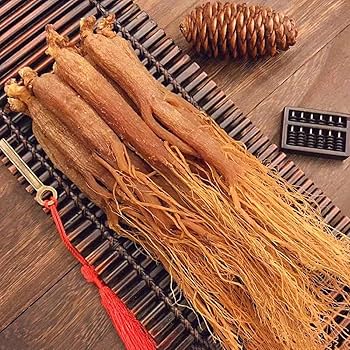
- Korean Red Ginseng (KRG) has shown remarkable potential in reducing alcohol addiction, withdrawal symptoms, and cognitive damage — backed by peer-reviewed research published in the Journal of Ginseng Research.
- The active compounds in KRG, called ginsenosides, work on multiple fronts — slowing alcohol absorption, accelerating its metabolism, and reducing brain inflammation caused by chronic drinking.
- KRG suppresses the PKA-CREB signaling pathway, a key brain circuit activated during substance addiction, which may explain why it reduces addictive responses to alcohol.
- Human trials involving 25 men showed that ginseng reduced plasma ethanol levels and eased hangover symptoms — suggesting real-world relevance beyond animal studies.
- One critical detail most people miss: not all ginseng is created equal — the steaming process that transforms raw ginseng into Korean Red Ginseng is what unlocks its most powerful healing compounds.
Ginseng has been quietly fighting one of the world’s most destructive addictions — and the science is finally catching up.
Worldwide, hundreds of millions of people suffer from Alcohol Use Disorder (AUD), and the traditional treatments often don’t quite hit the mark. This is the reason why Panax ginseng, especially in its Korean Red Ginseng (KRG) form, has caught the attention of researchers and practitioners of natural health as a potent adjunctive strategy for managing alcohol dependency. For those who are struggling with the challenging journey of alcohol recovery, learning about how natural substances like ginseng interact with the brain and body can provide genuinely new opportunities.
The fascinating part of this isn’t just old wives’ tales or stories. A study featured in the Journal of Ginseng Research, led by Professor Mikyung Kim of Sahmyook University in Korea, specifically investigated the impact of KRG on alcohol-induced addiction and cognitive impairment in mice. The results were astounding.
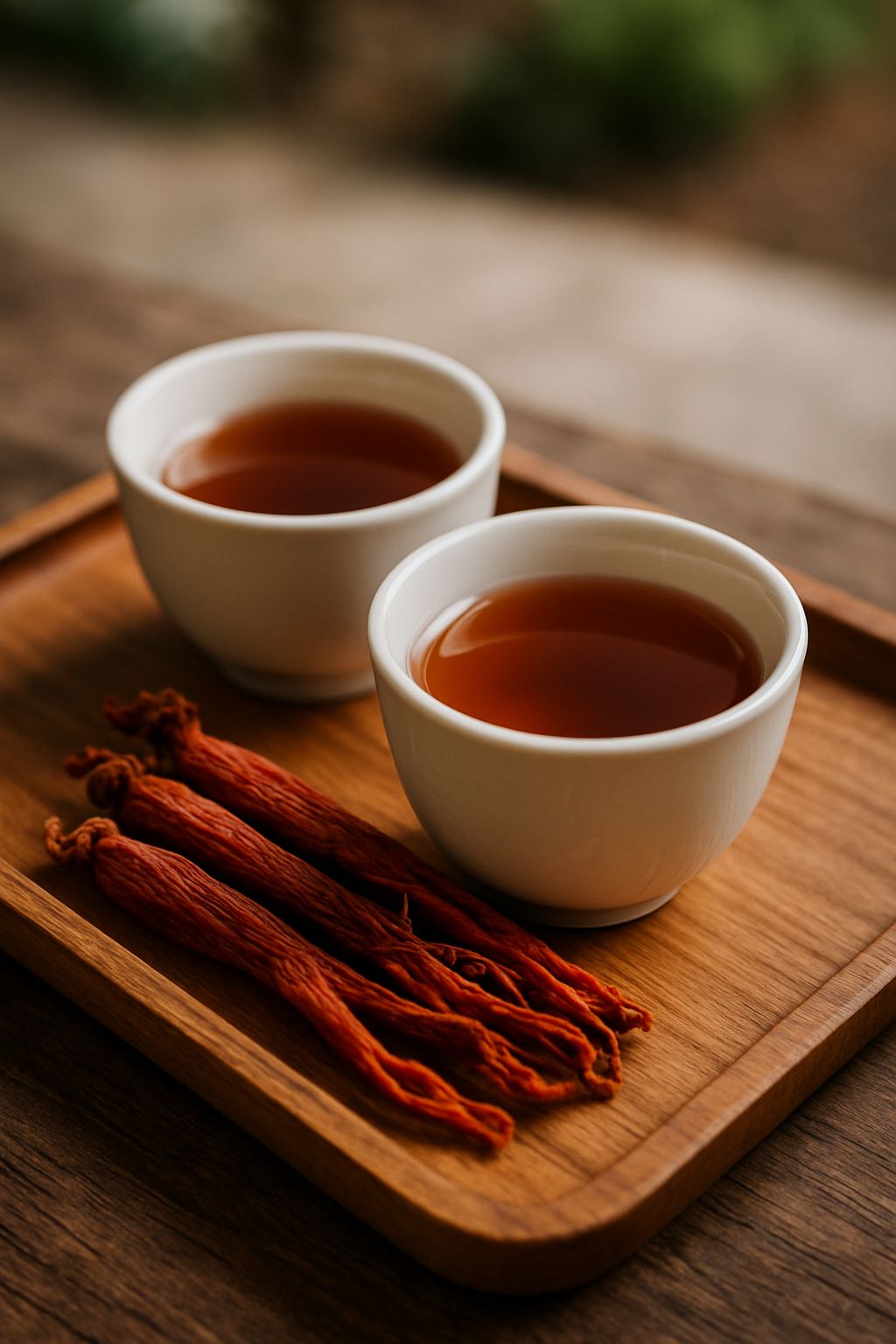
What Sets Korean Red Ginseng Apart From Regular Ginseng
A lot of people assume all ginseng is the same. It’s not. The distinctions between raw white ginseng and Korean Red Ginseng are significant — particularly when considering their healing capabilities for severe conditions like alcoholism.
The Magic is in the Steaming
By steaming and drying fresh Panax ginseng root at high temperatures — usually around 98–100°C — over and over, we get Korean Red Ginseng. But the process isn’t just about keeping the root fresh. It changes the chemical makeup of the root, turning some ginsenosides into forms that are easier for your body to use and more active. The steaming process creates or concentrates compounds like Rg3, Rk1, Rg5, and Compound K. These compounds have shown the strongest effects against damage from alcohol. You just don’t get these compounds in raw ginseng at the same levels.
What makes KRG so effective, and why it consistently outperforms other ginseng preparations in clinical and preclinical research, is this transformation. When a study shows that ginseng administered in bioconverted form yields better results, such as the research by Lee et al. (2014), it’s highlighting this enhanced ginsenoside profile as the reason why.
The Healing Power of Ginsenosides
What makes ginseng such a powerful healer? The answer is ginsenosides, the primary bioactive compounds in ginseng. These triterpenoid saponins are the reason KRG is so effective. They interact with multiple biological systems at the same time — the nervous system, the immune system, and the metabolic system. This multi-system action is crucial for someone dealing with alcohol dependency, as chronic alcohol use wreaks havoc on all three of these systems. For those interested in holistic approaches, the top holistic nutrition books can provide additional insights into recovery.
Studies have shown that ginsenosides have antioxidant, anti-inflammatory, neuroprotective, and anti-anxiety effects, which are all beneficial in combating the physiological havoc that chronic alcohol consumption causes. The anti-anxiety effect is especially noteworthy, as anxiety is one of the most potent triggers for relapse during alcohol withdrawal.
Two Different Ginsenosides, Two Different Functions
Not all ginsenosides are created equal. Ginsenoside Rb1 is mainly known for its neuroprotective qualities and its ability to reduce neuroinflammation — it helps protect brain cells from the inflammatory damage that alcohol can cause. Ginsenoside Rg3 has been shown to have stronger effects on modulating reward pathways and reducing addictive behavior. Together, these two ginsenosides can target both the physical damage caused by alcohol and the neurological pull of addiction.
Here’s a rundown of the most important ginsenosides in Korean red ginseng and what they do:
Ginsenoside
What It Does
How It Helps with Alcoholism
Rb1
Protects neurons, reduces inflammation
Shields brain cells in the hippocampus from alcohol damage
Rg3
Changes reward pathways
Lowers addictive responses and cravings
Rg5
Reduces brain inflammation
Lowers levels of inflammatory cytokines in the brain
Rk1
Acts as an antioxidant
Counteracts oxidative stress caused by ethanol
Compound K
Improves bioavailability
Boosts absorption of other ginsenosides
Understanding Alcohol’s Effects on the Brain and Body
To get why ginseng can help, it’s important to understand what alcohol does. Drinking alcohol over the long term isn’t just a bad habit — it’s a major biological disruption that rewires your brain, inflames your organs, and systematically breaks down your cognitive function.
Alcohol is a mind-altering substance. Each sip triggers the brain’s pleasure centers, causing a dopamine rush. As this becomes a regular occurrence, the brain adjusts to anticipate this dopamine surge — and if it doesn’t get it, it becomes agitated. This is the brain science of addiction, and it explains why sheer determination is typically not enough to conquer AUD.
Constant alcohol use also sets off a series of inflammatory responses throughout the body. In the liver, this shows up as alcoholic fatty liver disease. In the brain, it appears as neuroinflammation — a condition of chronic immune activation in neural tissue that hinders memory, decision-making, and emotional regulation. The hippocampus, the brain’s memory center, is especially susceptible to this damage.
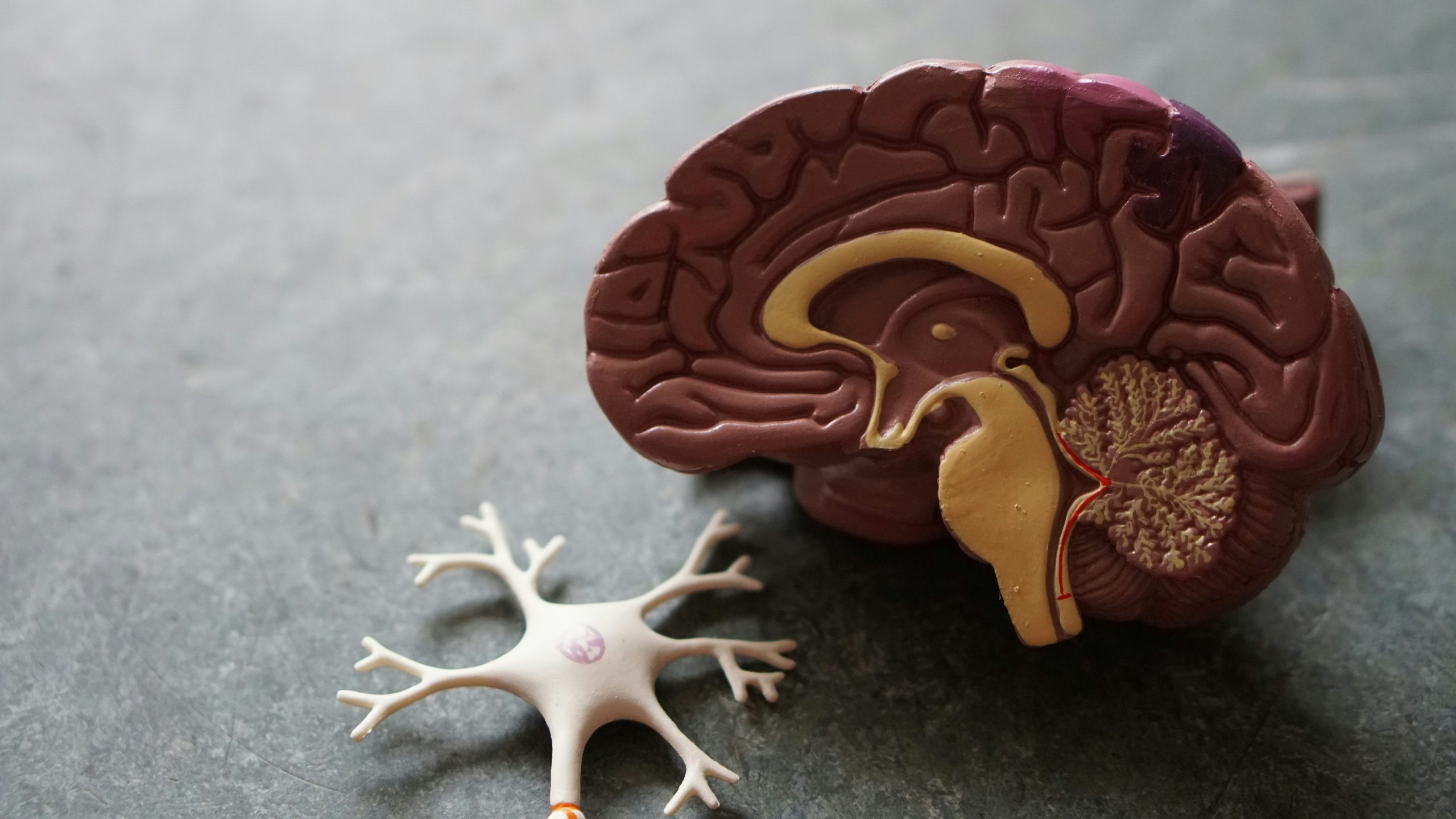
How Alcohol Sets Off an Inflammatory Chain Reaction
When the body breaks down alcohol, it produces acetaldehyde — a harmful byproduct that injures cells and prompts an immune response. In the brain, this kicks off microglia (the brain’s immune cells) and results in the release of pro-inflammatory cytokines. These cytokines — including TNF-α and IL-6 — harm neurons and interfere with normal brain signaling. The hippocampus, which is essential for spatial working memory, is especially damaged by this process.
This inflammation doesn’t just lead to memory loss. It also exacerbates addiction by causing further imbalances in the dopamine and glutamate systems that control mood, motivation, and reward. This creates a destructive cycle that increases the perceived need for alcohol and makes recovery even more challenging.
The Connection Between Heavy Drinking and Memory Loss
One of the first things to go when you drink too much is your spatial working memory. This is the part of your brain that helps you remember where things are, how to get from one place to another, and how to hold on to information about the space around you. The part of your brain that handles this task is called the hippocampus, and it’s very sensitive to inflammation. When you drink too much, your body produces chemicals that cause inflammation, and this can damage the hippocampus. Over time, this damage can cause you to forget things and have trouble navigating your environment. This can happen even if you’re not a heavy drinker.
The Multifaceted Approach of Ginseng to Alcohol
What sets Korean Red Ginseng apart in the treatment of alcohol use disorder is that it doesn’t simply focus on one issue. It steps in at various stages of the harm caused by alcohol, from the point when ethanol first enters the digestive system to the neurological consequences of prolonged addiction.
While most drug-based treatments for AUD focus on a single aspect — curbing cravings, alleviating withdrawal symptoms, or safeguarding the liver — KRG takes a more complex approach. Its wide range of ginsenosides enables it to act on the gut, liver, immune system, and brain all at once. This multi-pronged action is unusual, and it’s what sets ginseng apart as a particularly promising complementary treatment option.
There are four unique phases where KRG works to counteract the harm alcohol inflicts. Grasping each one aids in comprehending why the compound exhibits such a wide range of therapeutic capabilities — and why scientists are growing more and more enthusiastic about its use in AUD therapy.
Moreover, these mechanisms aren’t just theoretical. They have been observed across several peer-reviewed studies, with consistent results in both animal models and early human trials. The evidence, while still accumulating, is already more substantial than most people think.
- Lessens alcohol absorption in the gastrointestinal tract before it enters the bloodstream
- Speeds up alcohol metabolism by increasing ADH and ALDH enzyme activity in the liver
- Reduces neuroinflammation by stopping pro-inflammatory cytokine release in the hippocampus
- Interrupts the addiction cycle by blocking the PKA-CREB signaling pathway in the brain’s reward circuits
1. It Lessens Alcohol Absorption in the GI Tract
Ginsenosides have been proven to reduce ethanol absorption directly in the gastrointestinal tract. This means that when KRG is present in the system, less alcohol actually enters the bloodstream — reducing peak blood alcohol concentration and limiting the initial wave of damage that each drinking episode causes. This GI-level intervention is significant because it acts as a first line of defense, reducing the toxic load before the liver and brain even have to deal with it. For more on how diet impacts recovery, explore how superfoods support alcohol detoxification.
2. It Accelerates Alcohol Metabolism Through ADH and ALDH Enzymes
In addition to reducing absorption, KRG actively encourages the production of two key liver enzymes: alcohol dehydrogenase (ADH) and aldehyde dehydrogenase (ALDH). ADH converts ethanol into acetaldehyde, and ALDH then changes that harmful acetaldehyde into harmless acetate. By increasing both enzymes, KRG speeds up the entire process of alcohol clearance — reducing the amount of time acetaldehyde spends in the body and thus reducing the cellular damage it causes. A study by Lee et al. (2014) involving 25 men found that ginseng administration reduced plasma ethanol levels and lessened hangover symptoms — a direct real-world reflection of this accelerated metabolism.
3. It Reduces Alcohol-Induced Neuroinflammation
Here’s where the healing properties of Korean Red Ginseng (KRG) really come into play in terms of long-term recovery. A study from Sahmyook University showed that Korean Red Ginseng extract stopped the release of inflammatory cytokines specifically in the hippocampus — the part of the brain that is most susceptible to cognitive damage from alcohol. By reducing the neuroinflammatory response, KRG can help protect the neurons in the hippocampus from the chronic immune activation that leads to progressive memory loss and cognitive decline. This anti-neuroinflammatory effect is mainly due to ginsenosides Rg3, Rg5, and Rb1, which have shown consistent results in multiple studies. For additional insights on natural remedies, consider exploring turmeric’s role in addiction recovery.
4. It Disrupts Addiction Pathways in the Brain
One of the most exciting discoveries is how KRG can impact the PKA-CREB signaling pathway — a crucial neurological pathway that is activated during addiction and repeated alcohol use. When this pathway is activated over and over again, it reinforces the urge to drink alcohol at the biochemical level. KRG has been found to inhibit this pathway, essentially breaking the brain’s learned addiction response. This is the same process that previous research identified in KRG’s effects on methamphetamine addiction, as reported in the Journal of Ginseng Research (2022) — indicating that the compound’s anti-addictive properties may apply to multiple substances.
Breaking Down the Findings of the Sahmyook University Study
Professor Mikyung Kim of Sahmyook University in Korea led the most influential contemporary study on the relationship between ginseng and alcohol addiction. The study, which was published in the Journal of Ginseng Research, specifically aimed to determine whether KRG could tackle both the addictive behaviors and cognitive impairments that are brought on by chronic alcohol use. These two aspects are often treated separately by most interventions, if they are addressed at all.
The Reason Behind Focusing the Study on Alcohol
Earlier studies had already shown the potential of KRG in treating addiction to other psychoactive substances, such as methamphetamine. However, its exact impact on alcohol-induced addiction and memory impairment was mostly unknown. Professor Kim’s team recognized this as a significant research gap. Alcohol is the most commonly used psychoactive drug globally, and its dual effect — causing both physical addiction and cognitive decline — makes it particularly harmful and challenging to address.
The scientists used mouse models in their experiment, giving them Korean Red Ginseng extract while also exposing them to chronic alcohol. They then monitored for changes in addictive behavior and spatial working memory performance. Their aim was not just to find out if KRG worked, but to understand how it worked. They wanted to identify the exact molecular mechanisms that caused any effects they observed.

Infographic: The intervention of Korean Red Ginseng (KRG) at four key stages of alcohol-related damage — from GI absorption to neuroinflammation and addiction signaling pathways.
Primary Conclusions on Memory and Addiction in Mice
The outcomes of Professor Mikyung Kim’s research were unambiguous and consistent. Mice that were given Korean Red Ginseng extract exhibited noticeable enhancements in spatial working memory performance when compared to the control group that was exposed to alcohol without KRG. The enhancements in memory were directly linked to decreased neuroinflammation in the hippocampus — affirming that the cognitive advantages of KRG work through its anti-inflammatory mechanisms rather than through some other separate pathway. For more information on how superfoods can support recovery, explore superfoods and alcohol detoxification.
Regarding addiction, the mice treated with KRG showed significantly lower addictive reactions to alcohol. The suppression of the PKA-CREB signaling pathway was confirmed as a main mechanism, implying that the ginseng extract was actively interfering with the brain’s biochemical reinforcement of compulsive drinking behavior. This was not a minor effect. The decrease in addictive responses was large enough to indicate actual therapeutic relevance. Additionally, exploring how superfoods support alcohol detoxification can provide further insights into complementary treatments for addiction.
The research further pinpointed that KRG’s anti-neuroinflammatory properties were key to both sets of enhancements — memory and addiction. This is an important revelation. It implies that by focusing on neuroinflammation, a single treatment can concurrently tackle two of the most crippling effects of long-term alcohol consumption. Such therapeutic efficiency is extraordinarily uncommon and clarifies why this study garnered considerable interest in the addiction science community.
Implications for Alcoholism Therapy
The study doesn’t put Korean Red Ginseng in the spotlight as a solo remedy for alcohol use disorder — and we need to be candid about that. What it does highlight, quite persuasively, is that KRG is an effective additional treatment that tackles multiple aspects of AUD at the same time. For the countless individuals for whom traditional therapies have been inadequate, that difference is tremendously significant. Exploring the top holistic nutrition books can also provide additional insights into complementary therapies for alcohol use recovery.
Presently, the pharmaceutical treatments for AUD, which include naltrexone, acamprosate, and disulfiram, each only address a small part of the problem. Naltrexone works by blocking opioid receptors to reduce the feeling of reward. Acamprosate works by stabilizing glutamate signaling during withdrawal. Disulfiram works by making drinking physically unpleasant. None of these treatments address neuroinflammation, cognitive recovery, and addictive signaling all at once, which is what KRG appears to do. This multi-dimensional action is what makes the research on ginseng so genuinely exciting for those working in integrative health and addiction medicine.
- Lowered neuroinflammation assists with long-term cognitive recovery during abstinence
- PKA-CREB pathway inhibition could lessen the neurochemical level of obsessive drinking cravings
- Increased alcohol metabolism lessens the toxic load on the liver and brain after each drinking event
- Anxiolytic effects of ginsenosides might lessen anxiety-induced relapse, which is one of the most frequent obstacles to sustained recovery
- Protective effects against alcoholic fatty liver disease provide a vital physiological layer of protection for heavy drinkers
This does not replace professional medical care, behavioral therapy, or support networks like Alcoholics Anonymous. However, when used in conjunction with these methods, Korean Red Ginseng, especially in its bioconverted, high-ginsenoside form, offers a scientifically credible resource for individuals dedicated to lessening the grip alcohol has on their lives.
Common Questions
People in recovery, medical professionals, and natural health practitioners all have questions about the research on ginseng and alcohol. We’ve answered the most common questions below, with scientific evidence to back up each answer. For more insights on natural remedies, explore turmeric’s role in addiction recovery.
Can Korean Red Ginseng Really Cure Alcoholism?
While Korean Red Ginseng is not a proven cure for alcoholism, it has been shown to have a significant impact on addictive responses, neuroinflammation, spatial working memory, and alcohol metabolism. These are all important factors for those dealing with Alcohol Use Disorder (AUD). While the research is promising, it is still in the early stages, with most of the studies being conducted on animals. There have been a few human clinical trials, and the results have been positive. However, it should be noted that Korean Red Ginseng should be used as a supplement to a comprehensive addiction treatment plan, not as a replacement.
What is the Mechanism Behind Ginseng’s Ability to Reduce Alcohol Cravings?
Ginseng primarily works to reduce alcohol cravings by inhibiting the PKA-CREB signaling pathway — the same neural pathway that is triggered and strengthened with repeated substance use. When this pathway is repeatedly activated due to alcohol, it intensifies the brain’s compulsive need to drink. Studies have shown that Korean Red Ginseng extract can disrupt this reinforcement loop, reducing the biochemical attraction to alcohol at its neural root. Furthermore, the anxiolytic effects of ginsenosides can help manage anxiety — a significant psychological trigger for cravings — providing a second layer of craving reduction that works through a completely different mechanism.
What is Ginsenosides and why are they important for alcohol use?
Ginsenosides are the main bioactive compounds in Panax ginseng, which are classified as triterpenoid saponins. These are the molecules that are responsible for almost all of ginseng’s documented therapeutic effects. In the context of alcohol use disorder, they are important because they interact with several biological systems that chronic alcohol consumption disrupts — including the nervous system, the immune system, and the metabolic machinery of the liver.
Each ginsenoside has a unique biological function, and the steaming process of Korean Red Ginseng results in a particularly powerful combination of these compounds. The ginsenosides that are most relevant to alcohol use disorder are Rg3, Rk1, Rg5, Rb1, and Compound K, each of which contributes in a different way to the overall therapeutic effect. For those interested in how natural substances can aid recovery, exploring the role of superfoods in alcohol detoxification might provide additional insights.
- Rg3 — Helps control reward pathways and lessens addictive behavior
- Rb1 — Provides protection to the brain and lessens inflammation in the hippocampus
- Rg5 — Stops the release of pro-inflammatory cytokine in brain tissue
- Rk1 — Provides antioxidant protection against damage caused by ethanol
- Compound K — Improves the bioavailability of other ginsenosides, increasing their overall effectiveness
Studies have shown that when ginseng is given in a bioconverted form — meaning the ginsenosides have been changed into their more active metabolites through the process of steaming or microbial conversion — the results are noticeably better. This is why the type of ginseng you choose is as important as the decision to use ginseng in the first place.
If you’re battling alcoholism, the advice is simple: not all ginseng supplements are created equal. Make sure to look for Korean Red Ginseng products that clearly state the amount of ginsenosides, especially Rg3 and Compound K. Also, make sure the product has been traditionally steamed to activate these compounds.
Has Korean Red Ginseng Been Tested on Humans for Alcohol Addiction?
While there is limited research available on the effects of KRG on alcohol use disorder in humans, the results so far are promising. The most well-known study on this subject included 25 men and found that the use of ginseng reduced the levels of ethanol in the plasma and lessened the symptoms of a hangover. This provides direct evidence that the effects of KRG on alcohol metabolism, as seen in animal models, are also applicable to human physiology. Although there have not yet been any large-scale randomized controlled trials specifically targeting AUD, the existing data from human trials is consistent with the mechanisms documented in preclinical research. The scientific community views the current evidence as a solid basis for larger trials, rather than just preliminary noise.
Is Ginseng Capable of Reversing Alcohol-Induced Memory Damage?
According to studies, it is — particularly the kind of memory damage connected to neuroinflammation in the hippocampus. The research conducted at Sahmyook University revealed that mice treated with KRG showed noticeable improvements in spatial working memory. The mechanism was conclusively determined to be reduced neuroinflammation rather than direct neuron regeneration. This is a significant distinction: KRG seems to safeguard and restore function by eliminating the inflammatory conditions that hinder normal memory processing, rather than by regenerating damaged neurons.
The hippocampus has the ability to recover its function when the damaging conditions are removed and the environment becomes more supportive of healthy neural activity. This is called neuroplasticity. By suppressing the inflammatory cytokines that chronically impair hippocampal performance, KRG creates conditions more favorable to this natural recovery process. In practical terms, this means the earlier KRG intervention begins, the greater the potential for cognitive restoration.
It’s also important to note that the memory-enhancing effects of KRG don’t work alone. Its ginsenosides have anxiolytic effects that lower the chronic stress and anxiety that can independently hinder memory consolidation during recovery. When inflammation is lowered and anxiety is reduced at the same time, the brain’s ability to restore normal function greatly improves — which is exactly the multi-system benefit that makes Korean Red Ginseng such a powerful tool in alcohol recovery.
Whether you or a loved one are fighting against alcohol use disorder, and looking for every possible avenue towards recovery, check out our resource center to learn how proven natural methods can aid in the path to sustained wellness.