- Hiking in natural environments has been shown to reduce PTSD symptom scores more effectively than urban hiking, based on a 12-week pilot randomized controlled trial published in a peer-reviewed journal.
- The VA’s Whole Health Program actively uses hiking as a therapeutic tool, with recreation therapists tailoring outdoor experiences to each veteran’s physical and mental health needs.
- Veterans dealing with substance use disorder often carry compounding mental health burdens — including PTSD, anxiety, and social isolation — that traditional clinical settings alone may not fully address.
- Group hiking doesn’t just build physical endurance — it rebuilds the sense of camaraderie and shared mission that many veterans lose after leaving military service, which is a critical piece of sustainable recovery.
- You don’t need to be physically fit to start — veteran-specific programs like Sierra Club Mission Outdoors offer accessible, structured outdoor experiences designed for veterans at any fitness level.
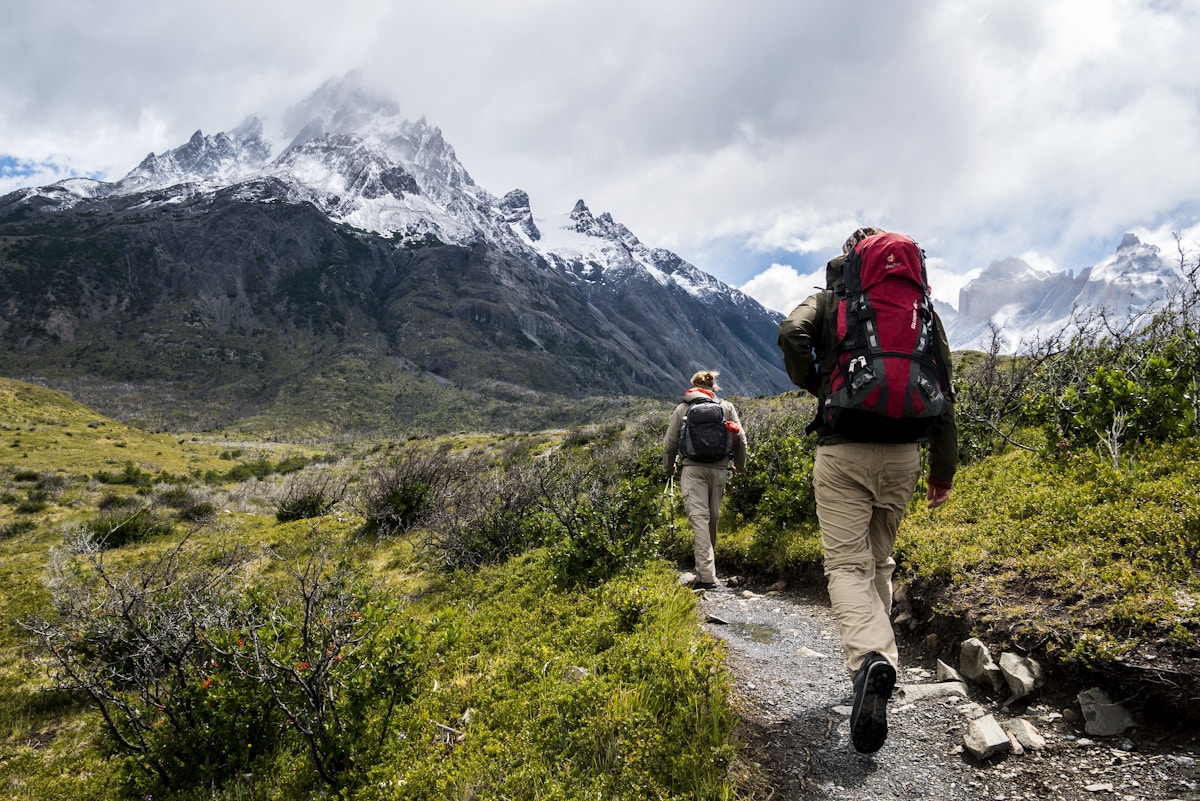
Most people think recovery happens in a room with fluorescent lights and folding chairs — but for many veterans, healing begins the moment their boots hit a trail.
For veterans dealing with substance use disorder, the battle is rarely just about the substance. Hidden beneath the surface are often untreated PTSD, moral injury, chronic pain, and a profound sense of disconnection from civilian life. Traditional outpatient programs and group therapy sessions are beneficial, but they don’t always reach the parts of a veteran’s experience that need the most attention. That’s where the great outdoors comes in.
Groups like those that combine veteran health and outdoor therapy are increasingly realizing that structured time in nature is not a luxury addition to treatment — it is a clinically supported, measurable intervention. The evidence is increasing, and veterans who have personally experienced it will tell you that the trail changes something that a clinic simply cannot.
How Hiking Is Revolutionizing Veterans’ Recovery from Substance Use Disorder
The concept that being in nature is beneficial to your health is not a groundbreaking one. However, what is groundbreaking is the caliber of the studies supporting this claim, particularly for veterans, and especially for those grappling with the overlap of PTSD and substance use disorder. This is not about leisurely strolls being calming. It is about quantifiable decreases in symptom ratings, enhanced emotional control, and long-lasting recovery results.
Why Conventional Therapy Isn’t Always Effective for Veterans
While conventional therapy works for many, veterans are not your average patients. Many have spent years in high-stress, high-risk environments where showing weakness was not an option. Asking someone with that kind of history to sit in a circle and talk about their feelings under harsh lighting is often the worst way to start the healing process. The very structure of therapy can feel alien, even dangerous, to someone whose nervous system was conditioned for battle.
Another problem is keeping veterans engaged. Many veterans drop out of substance use disorder programs. If the treatment doesn’t resonate with the veteran’s way of thinking, moving, or finding purpose, they tend to drop out. Outdoor and nature-based therapies provide a different way for veterans to engage with therapy. This approach is based on movement, purpose, and environment instead of being passive and distant.
The Science Behind the Therapeutic Effects of Nature
In the past ten years, there has been a substantial increase in research on this topic. A study conducted by the University of Michigan revealed that veterans who engaged in prolonged group activities in the outdoors showed noticeable improvements in their mental health. The researchers found a strong connection between extended experiences in the wilderness and sustained mental health benefits. Jason Duvall, a research scientist at the U-M School of Natural Resources and Environment, said that recreational activities in nature can have a profoundly positive effect on veterans who are grappling with severe health issues.
This isn’t just a one-off study. There is a mounting pile of evidence across the fields of psychology, environmental science, and clinical medicine that shows being in nature improves both physical and mental health — for healthy individuals as well as those dealing with mental health conditions. For veterans, the benefits are even more profound.
The Psychological Struggles Veterans with Substance Use Disorder Endure
Substance use disorder in veterans is seldom an isolated diagnosis. It almost always coexists with other conditions, and recognizing that full picture is key to understanding why hiking can be so beneficial in recovery.
Compared to the general population, veterans are more likely to suffer from PTSD, traumatic brain injury, chronic pain, and depression. Substance use often starts as a way to cope with these issues, but it can quickly become a vicious cycle that is hard to break using traditional methods alone.
The Connection Between PTSD, Substance Use Disorder, and the Veteran Experience
PTSD and substance use disorder are closely connected within the veteran population. A large number of veterans resort to alcohol or other substances to cope with the hypervigilance, nightmares, emotional numbness, or the intrusive recollections that characterize PTSD. The temporary comfort these substances offer makes them appealing, even though the root trauma is left entirely untreated. This is the reason why treating substance use without addressing trauma — or the other way around — often results in failure.
Leaving the military can make this worse. Veterans lose their rank, their structured life, their unit, and their mission all at once. The identity they built up over years of service is gone, and many veterans say losing it is one of the most confusing things they’ve ever gone through. Substances can fill that hole, at least for a little while, and that’s part of why it’s such a common pattern and so hard to break.
The Role of Isolation in Hindering Recovery
One of the least recognized challenges in the recovery of veterans is social isolation. When veterans leave the service, they often lack a group of peers who understand their experiences, values, or way of communicating. Civilian social situations can seem empty or too intense, leading to withdrawal. Isolation can then lead to substance use, which in turn leads to deeper isolation. This cycle can be incredibly hard to break without deliberate intervention.
How Hiking Serves as a Therapeutic Aid
It’s not that nature is a panacea for veterans, but rather that it provides particular psychological and physiological stimuli that directly counteract the processes at work in PTSD, anxiety, and substance use disorder. This is why VA recreation therapists are integrating it into structured treatment plans.
How Nature’s Rhythm Can Soothe
There’s something about the steady, rhythmic movement of a long hike that has a calming effect on the nervous system. This is especially true for veterans with PTSD, who often live in a state of hyperarousal. The simple act of walking, engaging with the terrain, and taking in the natural environment can help to reduce this hyperarousal. It’s as if the stress response, which may have been stuck in the “on” position for years, is finally able to down-regulate.
How Fresh Air and Natural Surroundings Reduce Anxiety
Ethan Blumhorst, a Recreation Therapist working with veterans, put it simply: “Moving the body is essential physically and mentally, and hiking is an excellent way to disconnect from the concrete jungle and rapid-fire stimuli thrown at us in a hundred different ways a hundred times a day.” That sensory overload — the noise, the notifications, the unpredictability of urban environments — is genuinely activating for veterans with PTSD. Natural environments significantly reduce that load. The result is a nervous system that can finally begin to regulate.
Studies have repeatedly found that spending time in green spaces lowers cortisol levels, reduces blood pressure, and decreases self-reported anxiety. For veterans who have been living with high levels of stress hormones for a long time, this physiological reset is more than just enjoyable — it’s therapeutically important. Discover how cognitive processing therapy can further aid in managing stress for veterans.
How Group Hiking Helps Veterans Reconnect Socially
Structured group hiking programs for veterans are powerful because of the social connection they help recreate. Veterans often say they miss the experience of working toward a common goal with a unit. This camaraderie, accountability, and shared mission is difficult to recreate in a therapy room. However, these feelings naturally come about on a trail.
What Research Tells Us About the Impact of Nature Hiking on PTSD
Scientific research has progressed past mere stories. Many studies now highlight the quantifiable, repeatable benefits of interventions based in nature for veterans suffering from PTSD, and the information is detailed enough to be useful in a clinical setting.
Studies have consistently shown that the physical and mental benefits of hiking in nature are different from the benefits of exercising in a city. This means that it’s not just the exercise that’s important. The environment in which you exercise also plays a role.
- Lowered PTSD symptom scores as seen by the PTSD Checklist-5 (PCL-5) after organized nature hiking interventions
- Better emotional control reported by participants in multi-day wilderness experiences
- Greater program acceptability and enjoyment compared to many traditional clinical interventions
- Continued improvements at 24 weeks, not just at the end of the intervention period
- Significant social benefits from group-based hiking formats, including increased desire for peer connection
These are not insignificant outcomes. Reductions in PCL-5 scores are a standard clinical measure used to track progress in PTSD treatment. When a nature hiking intervention moves those numbers, it belongs in the same conversation as other treatments that are based on evidence.
Alyson J. Littman, a researcher in the Pacific Northwest, conducted a pilot randomized controlled trial. She assigned 26 veterans with PTSD to either six nature hikes or six urban hikes over 12 weeks. The nature hiking group showed more improvement in median PTSD symptom scores at both the 12-week and 24-week follow-up points. Both groups reported high acceptability — over 70% rated hike communication, locations, distance, and pace as good or excellent — but the nature environment produced consistently stronger mental health outcomes.
A Study from the University of Michigan: The Impact of Outdoor Recreation on the Mental Health of Veterans
In a groundbreaking study conducted by the University of Michigan, veterans were surveyed before and after participating in a multi-day wilderness recreation experience, which included camping and hiking in groups of six to twelve. More than half of the participants reported frequent physical or mental health problems in their daily lives prior to the program. Following the experience, the researchers noted measurable improvements in the mental health indicators of the participants. This led Jason Duvall and his team to conclude that nature recreation has significant positive effects on veterans who are dealing with serious health issues.
Randomized Controlled Trial on Nature Hiking for PTSD
A randomized controlled trial conducted by Alyson J. Littman and her team was designed to determine if nature hiking could be a feasible and acceptable intervention for military veterans with PTSD, no matter the cause. The study involved twenty-six veterans who were divided into two groups. Thirteen of them completed six nature hikes over twelve weeks, and the other thirteen completed six urban hikes during the same period. The researchers ensured that both groups had similar levels of physical activity, making the environment — nature versus urban — the main variable in the study.
Lower PCL-5 Scores After 12 Weeks of Hiking
The PCL-5, or PTSD Checklist-5, is a commonly used standardized method for measuring the severity of PTSD symptoms. A significant decrease in PCL-5 scores shows a true, clinically significant improvement, rather than just a self-reported feeling of improvement. The Littman study tracked these scores in both groups and found that the group that went hiking in nature showed a greater median improvement at both 12 weeks and at the 24-week follow-up. For veterans, cognitive processing therapy may also complement these improvements.
The 24-week results are particularly important because the hiking intervention had already been completed. The veterans were not still hiking when these improvements were measured – the benefits had continued independently. This type of durability is exactly what healthcare providers look for when assessing whether a treatment has long-term value as opposed to a short-term placebo effect.
Just as important is what the data showed about the program’s acceptability. More than 70% of participants from both groups rated the hike’s communication, locations, distance, and pace as good or excellent. High acceptability is extremely important in veteran populations, where dropping out of treatment is a significant obstacle. An intervention that veterans actually want to attend is already better than many other options.
City Hikes vs. Wilderness Hikes: What the Study Found
The choice to compare a group hiking in the city to a group hiking in nature was intentional and significant. The findings showed that the mental health benefits experienced by the nature group were not just from physical activity or socializing — both groups got that. The wilderness setting was providing something unique and quantifiable.
City environments, even when explored with a supportive group, have a sensory overload that nature does not. The noise of traffic, unpredictable interactions with people, visual distractions, and overall stress are all present in city hiking in ways they are not on a forest trail. For veterans whose nervous systems are already on high alert for threats, that difference in sensory environment is not just a small detail — it is the whole point.
The Ancient Practice of Forest Bathing and Nature Therapy
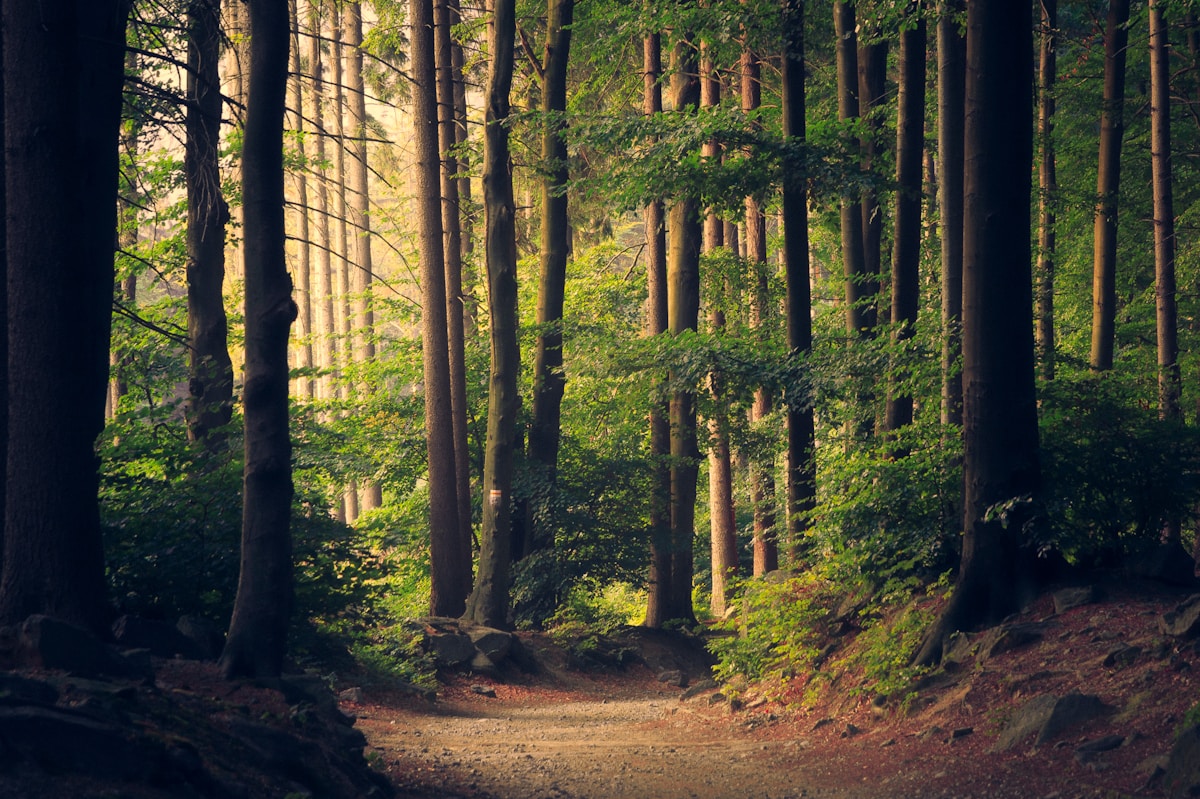
Long before clinical researchers began conducting randomized controlled trials on hiking trails, societies around the globe had already incorporated the wisdom of nature contact into their healing practices. The Japanese idea of Shinrin-yoku, or forest bathing, was formalized as a public health practice in the 1980s, but it has much deeper roots in Japanese and broader Asian traditions of restorative time in natural settings. Forest bathing doesn’t involve hiking or any physical exertion — it is simply the practice of being present in a forest, engaging all the senses. Studies on Shinrin-yoku have documented reductions in cortisol, lower blood pressure, improved immune function, and decreased self-reported anxiety and depression. For veterans, the message is clear: the natural environment itself is therapeutic, regardless of how much physical effort you’re putting into it.
The VA Whole Health Program’s Approach to Recovery Through Hiking
The Veterans Affairs Whole Health Program has brought about a change in the way the VA views veteran care. Instead of focusing on individual symptoms or diagnoses, the Whole Health model considers the person as a whole — their values, their aspirations, their social relationships, and their connection with their own body and surroundings. Hiking is a perfect fit for this model as it touches on various aspects of well-being at the same time, similar to the benefits of cognitive processing therapy for veterans.
Many VA Whole Health programs include recreation therapy as a key element, and hiking is becoming an increasingly popular activity in this area. It’s not intended to replace medication management, evidence-based psychotherapy, or addiction treatment. Instead, it’s designed to supplement these treatments by providing benefits that they sometimes don’t. Hiking gives veterans a chance to get moving, breathe fresh air, connect with others, and start to rediscover their own ability to bounce back from adversity.
The VA’s incorporation of hiking into its structured care sends a crucial message to veterans: that their healing doesn’t have to be confined to the four walls of a room. Going outdoors, navigating through a challenging environment, and doing so with fellow veterans validates a wellness approach that resonates with many who flourished in active, mission-driven military roles.
How Recreation Therapists Customize Hiking Experiences
Recreation therapists in VA programs don’t just give veterans a trail map and tell them to have fun. They first evaluate each veteran’s physical fitness level, mental health condition, mobility restrictions, and personal objectives. They then create an experience that takes into account the distance of the hike, the difficulty of the terrain, the composition of the group, and the pace. This ensures that each veteran has an experience that is safe, achievable, and truly therapeutic. As demonstrated by Ethan Blumhorst’s work, this is clinical work disguised as outdoor activity — deliberate, evidence-based, and focused on the veteran.
The Similarities Between Hiking and Military Service
The reason hiking is so effective for veterans is that it closely resembles the structure and culture of military service, which is often overlooked. The foundational military experiences, such as ruck marches, land navigation, operating in austere environments, and working as a team through physical challenges, are all mirrored in group hiking. The shared effort, mutual accountability, clear objectives, and a defined endpoint all activate the same psychological pathways.
Veterans who feel lost or without a purpose after their service find this recreation of a familiar structure not just soothing but also genuinely grounding. It reminds their nervous system and their identity of what it felt like to be competent, connected, and part of something bigger than themselves. This reminder, repeated over several hikes, can become a fundamental part of recovery.
Physical Benefits that Aid Mental Health Recovery
The mind and body are interconnected, and this connection is incredibly important when it comes to recovering from substance use disorder. Improving physical health can have a direct impact on mental health, and hiking is a great way to achieve both at the same time. By increasing physical strength and improving mental resilience at the same time, the overall effect is greater than if you were to focus on just one aspect.
Many veterans in recovery struggle with both physical and mental burdens from their service, including chronic pain, musculoskeletal injuries, cardiovascular deconditioning, and disrupted sleep. Hiking, when done at a level that is appropriate for the individual’s fitness level, can help address many of these issues. The best part? It doesn’t feel like rehab. It feels like you’re actually doing something.
Boosting Heart Health and Mood with Regular Hiking
Consistent aerobic exercise, such as hiking, is one of the most proven non-drug treatments for depression and anxiety. The reasons are well known: exercise increases the release of endorphins, boosts the activity of serotonin and dopamine, and lowers the inflammatory markers linked with depression. For veterans recovering from substance use disorder, many of whom are trying to restore natural dopamine regulation after a period of substance-induced dysregulation, this is extremely important. Hiking doesn’t just enhance cardiovascular fitness — it also starts to repair the brain’s own reward system.
The Emotional Impact of Physical Accomplishments
There’s a unique mental power that comes from completing a challenging hike. Finishing a tough trail, particularly during the early stages of recovery when self-confidence is typically at its lowest, provides undeniable proof of one’s abilities. This proof builds over time. Veterans who hike consistently report not just physical enhancements in strength and stamina, but also a change in how they view their own capacity to deal with challenges. This change in self-perception isn’t just a bonus of hiking therapy; it’s one of its key therapeutic components. For more on therapeutic techniques, explore the benefits of cognitive processing therapy for veterans.
Veterans Share Their Stories: How Hiking Has Helped Them Recover
While the quantitative data from PTSD symptom checklists and cardiovascular health markers provide some insight, the experiences of veterans on the hiking trail tell the rest of the story. Veterans from programs across the country have described hiking as the first time they felt genuinely present since they left the service — they weren’t managing symptoms or struggling through a therapy session, but actually living their own lives. The combination of physical exercise, being in nature, and connecting with peers creates something that’s hard to replicate elsewhere. For many, the trail becomes a place where the burdens they carry become, at least for a few hours, something they can move through rather than something that keeps them stuck.
Getting Started with Hiking in Your Recovery Journey
Getting started is not as daunting as it might seem for many veterans. You don’t need fancy equipment, to be in top physical shape, or to have any previous experience in the wilderness. What you need is a place to start, and there are people whose entire job is to help you find that.
It’s crucial to treat hiking like any new mission: with a well-thought-out plan, the right support network, and a realistic idea of what the first few weeks will entail. Here’s how you can establish that foundation.
1. Speak with Your VA Recreation Therapist or Whole Health Team
Your journey begins with a discussion, not a trail. Reach out to your VA Whole Health coordinator or request a referral to recreation therapy from your primary care provider. Recreation therapists in the VA system are equipped to evaluate your current physical and mental health and create outdoor activities that are not only safe but also therapeutically suitable for your current state — not where you believe you should be.
It’s important to be open about any obstacles you may face. This can include physical disabilities, mobility problems, apprehension about being in a group setting, or any other factor that could impact your hiking experience. The more your recreational therapist understands about you, the more effectively they can customize your experience to benefit you, rather than unintentionally exacerbating the very issues you’re attempting to overcome.
Even if your local VA facility hasn’t established a comprehensive hiking program yet, your recreational therapist can guide you towards community partnerships and outdoor organizations that cater specifically to veterans in your area. The program infrastructure is quickly expanding across VA facilities nationwide, providing more options than were available just three years ago.
2. Start with Short, Low-Intensity Group Hikes
Don’t be tempted to start with a ten-mile trail. Starting with short, low-elevation hikes – even thirty to sixty minutes on a flat or gently rolling trail – allows your body to adjust, your nervous system to get used to the outdoor environment, and your comfort with group dynamics to develop naturally. Early wins build the self-confidence that makes the next hike easier to commit to, and the one after that. Your readiness should dictate the progression in trail difficulty, not the other way around. Incorporating natural aids like Ashwagandha for managing stress can also support your journey.
3. Join Veteran-Focused Outdoor Groups Like Sierra Club Military Outdoors
The Sierra Club Military Outdoors is one of the easiest to access outdoor programs for veterans in the country. It provides free outdoor activities — like hiking, backpacking, and climbing — specifically for veterans, active duty service members, and their families. Groups are guided by trained volunteers, many of whom are veterans themselves, so the social dynamic on the trail is immediately familiar and less socially taxing than civilian-led programs can sometimes be.
Warrior Hike is another program that is worth checking out. They run a long-distance trail program that uses the Appalachian Trail as a therapeutic framework for PTSD recovery. The Outdoor Behavioral Healthcare programs that are affiliated with various VA medical centers are also worth looking into. These organizations understand the outdoors and the veteran experience, which makes it easier for someone who might be skeptical of traditional therapeutic formats to get started.
4. Use Hiking to Supplement Your Current Treatment Plan
While hiking is a wonderful activity, it is not meant to replace evidence-based treatments like Cognitive Processing Therapy, Prolonged Exposure, or medication-assisted treatment for substance use disorder. Hiking is most effective when used in conjunction with these treatments, not in place of them. Consider hiking as an additional tool in your recovery toolbox that addresses areas of healing that your other treatments may not fully cover: the physical, the sensory, the social, and the environmental.
Inform your care team that you’re adding hiking to your daily activities. They can assist in monitoring your symptom scores to see if they’re improving, adjusting your overall treatment plan as needed, and ensuring that your outdoor activity is part of a comprehensive recovery strategy rather than being separate from your clinical care.
Hiking Is Not a Magic Bullet, But It Is a Key Part of the Solution
There is no one-size-fits-all solution to healing, and hiking is no different. However, it provides something that many veterans describe as invaluable — a place where recovery doesn’t feel like a clinical chore, where the body and mind are both active, and where the presence of people who understand your journey makes the hard work feel less lonely. The science backs it up, the VA is increasingly incorporating it into structured programs, and veterans who have hiked those trails will tell you it fundamentally changed their approach to recovery.
The trail doesn’t demand an explanation of who you are. It simply invites you to put one foot in front of the other and keep going — and that can be the perfect remedy.
Common Questions
We’ve gathered the most common questions veterans and their families have about using hiking as a tool for mental health and recovery.
Can hiking really help veterans struggling with substance use disorder?
Yes — and the evidence is specific, not general. Studies indicate that nature-based hiking interventions result in noticeable improvements in PTSD symptom scores, emotional regulation, and social connection, all of which are directly relevant to substance use disorder recovery. The mechanisms are well understood:
- Rhythmic movement down-regulates a chronically activated stress response
- Natural environments reduce the sensory overload that triggers hypervigilance
- Group hiking rebuilds social connection and the sense of shared mission
- Physical exertion supports the restoration of natural dopamine regulation
- Completing challenging hikes rebuilds self-efficacy and identity
These are not peripheral benefits. They directly address the underlying drivers of substance use in the veteran population — trauma, isolation, loss of purpose, and dysregulated stress responses. Hiking doesn’t fix all of those things, but it moves the needle on each of them in ways that are clinically meaningful.
Structured hiking programs for veterans have been shown to increase treatment engagement and decrease dropout rates compared to many traditional clinical formats. When treatment feels relevant and connected to how veterans think and operate, they stay in it longer — and duration of engagement is one of the strongest predictors of recovery outcomes.
How many hikes does it take for veterans to see mental health improvements?
According to the Littman pilot randomized controlled trial, significant improvements in PCL-5 PTSD symptom scores were seen after a 12-week program that included only six nature hikes — approximately one hike every two weeks. Improvements continued at the 24-week follow-up, suggesting that even a small number of structured hikes can yield long-lasting mental health benefits. However, consistency is more important than intensity, and veterans who continue to hike beyond a formal program usually report ongoing improvement over time. For more insights, a U-M study of veterans highlights the positive impact of outdoor activities on mental health.
Does hiking in nature have more benefits than hiking in the city for those with PTSD?
According to research, it does. The Littman study was designed to specifically look at the environment as a factor, making sure that both groups had similar amounts of physical activity and social interaction. The group that hiked in nature showed more improvement in their PTSD symptoms at both 12 and 24 weeks. City environments have a lot of sensory input and unpredictability that nature doesn’t have. For veterans who are always on high alert, this difference is not small – it’s the main reason why hiking in nature is better than hiking in the city as a way to help with their symptoms.
Does the VA cover hiking or outdoor therapy as part of treatment?
Many VA medical centers offer recreation therapy, including structured hiking programs, as part of the Whole Health Program. Coverage and availability vary by facility, but the integration of outdoor and nature-based therapy into VA care is expanding nationally. Veterans should ask their primary care provider or Whole Health coordinator specifically about recreation therapy services and any affiliated outdoor programs at their facility or in their region.
Is hiking therapy beneficial for veterans with physical disabilities?
Definitely. VA recreation therapists are skilled in tailoring hiking programs to accommodate a variety of physical abilities. They can adjust trail selection, distance, terrain, pacing, and group support to suit mobility limitations, prosthetics, chronic pain conditions, or other physical challenges.
There are adaptive outdoor programs across the country specifically designed for veterans with physical disabilities. Organizations such as Disabled Sports USA, and many programs affiliated with the VA, offer structured outdoor experiences that provide the therapeutic benefits of contact with nature and group engagement, regardless of physical limitations.
The mental and emotional advantages of hiking, such as decreased anxiety, better mood, social reconnection, and renewed sense of purpose, are not dependent on covering a particular distance or traversing challenging terrain. Even a slow, brief stroll in a natural setting with a supportive group provides the key therapeutic components that make this treatment work.
Should you or a veteran you know be working through recovery from substance use disorder, think about contacting a VA Whole Health coordinator immediately — since the trail could be the perfect place for the healing journey to continue.
Hiking offers numerous mental health benefits for veterans dealing with substance use disorder. It provides a sense of accomplishment, reduces stress, and promotes a positive outlook on life. Engaging in outdoor activities like hiking can be particularly beneficial for veterans, as it helps them reconnect with nature and find peace away from the challenges of everyday life. Moreover, hiking can be a part of a comprehensive treatment plan that includes therapies like Cognitive Processing Therapy to address underlying trauma and promote healing.
Look at this the same way you would any mission: with a clear goal, the right support system, and realistic expectations for the first few weeks of the journey. Progress will come. The first step is just to get there.
1. Consult with Your VA Recreation Therapist or Whole Health Team
Before you embark on your hiking journey, it’s important to have a discussion. Reach out to your VA Whole Health coordinator or ask your primary care provider to refer you to recreation therapy. Recreation therapists in the VA system are uniquely equipped to evaluate your physical and mental health and create outdoor experiences that are tailored to your current state — not where you believe you should be.
Don’t be afraid to speak up about what you’re dealing with. Whether it’s physical limitations, discomfort in group settings, mobility restrictions, or any other factors that could impact your experience on the trail, your recreation therapist needs to know. They can use that information to create a program that’s tailored to your needs, rather than accidentally triggering any negative responses. The more upfront you are from the beginning, the more beneficial the program will be right from the start.
2. Begin with Brief, Low-Intensity Group Hikes
Don’t be tempted to dive in at the deep end. A half-hour to one-hour hike on flat or gently undulating terrain is the ideal starting point for most veterans embarking on this journey. Short initial hikes allow your body to adjust, give your nervous system time to get used to the outdoor environment, and allow a natural pace to develop in terms of comfort with group dynamics. Early victories are important – they foster the self-belief that makes committing to the next hike easier.
Gradually increase the difficulty of your hikes based on your comfort level. A recreational therapist can help you monitor your progress to make sure that hiking remains a therapeutic experience rather than becoming physically or emotionally overwhelming.
3. Join Veteran-Specific Outdoor Groups Like Sierra Club Military Outdoors
Sierra Club Military Outdoors provides free outdoor activities — such as hiking, backpacking, and climbing — tailored for veterans, active duty service members, and their families. The groups are guided by trained volunteers, many of whom are veterans themselves, which instantly alters the social dynamic of the experience. Other groups worth checking out include Warrior Hike, which uses long-distance trail experiences as a therapeutic method for PTSD recovery, and Disabled Sports USA for veterans dealing with physical disabilities in addition to mental health issues.
4. Incorporate Hiking into Your Existing Treatment Plan
While hiking is beneficial, it works best when used in conjunction with evidence-based treatments. Treatments such as Cognitive Processing Therapy, Prolonged Exposure, and medication-assisted treatment for substance use disorder each address specific issues that hiking alone cannot. However, hiking can provide physical, sensory, social, and environmental healing that clinical settings often cannot provide. Be sure to let your treatment team know that you are incorporating hiking into your treatment plan, track any changes in your symptoms, and view hiking as just one of many tools in your recovery toolbox.
Hiking Is Not a Panacea, But It Is a Significant Part of the Solution
There is no one-size-fits-all solution — not a pill, not a form of therapy, and not a hiking trail. What hiking provides is something that many veterans describe as truly unique: a place where recovery doesn’t feel like a chore, where the body and mind are in sync instead of one being forced to keep up with the other, and where being around people who understand your experience makes the effort feel less lonely.
There’s plenty of evidence to back it up. The VA is incorporating it into formal programs across the country. Veterans who have experienced it will tell you that it made a difference in a way that sitting in a clinic couldn’t. The effects are real—lowered cortisol levels, improved dopamine regulation, decreased hypervigilance, and rebuilt social trust—and they increase over time with regular exposure.
The path doesn’t require you to justify your existence. It simply requires you to continue on. For veterans in the process of healing, that single demand — to just keep going — can often be the perfect remedy at the perfect time.
Common Questions
- Can veterans with substance use disorder really benefit from hiking?
- How many hikes do veterans need to go on before they start seeing mental health improvements?
- Is hiking in nature better than hiking in the city for PTSD symptoms?
- Does the VA include hiking or outdoor therapy in its treatment coverage?
- Can veterans with physical disabilities also get benefits from hiking therapy?
These are the questions that veterans and their families frequently ask when they first learn about hiking as a therapeutic option. The answers are based on clinical studies and the practical experience of VA recreation therapists who work with veterans every day.
One question that seems to come up a lot is whether this is a genuine treatment or just a feel-good program masquerading as treatment. The truth is that the evidence is clear, the mechanisms are well-understood, and the results can be measured. This isn’t just a wellness show — it’s a clinically supported intervention that’s proving its worth alongside more conventional treatment methods.
However, hiking should not be viewed as a one-stop solution. No respectable clinician or program would suggest it as such. The best results occur when hiking is incorporated into a holistic recovery plan that takes into account trauma, substance use, physical health, and social connection. Hiking is a uniquely efficient way to address several of these issues, but it is most effective when combined with a full support team, including the accountability of a sober buddy.
The following are straightforward responses to the most frequently asked questions, gleaned from peer-reviewed studies, VA program records, and the practical knowledge of recreational therapists in the field.
Is hiking really beneficial for veterans battling substance use disorder?
Yes, and the proof is not just general but specific. Structured nature hiking programs have been found to result in noticeable improvements in PTSD symptom scores, emotional regulation, social connection, and physical health markers, all of which are directly related to recovery from substance use disorder. A study conducted by the University of Michigan found clear connections between outdoor group recreation and long-term psychological well-being in veterans. The Littman pilot randomized controlled trial found that six nature hikes over a period of twelve weeks resulted in clinically significant changes in PCL-5 PTSD symptom scores, with improvements that were still present at 24 weeks, well after the intervention had ended. For more information on therapeutic approaches, explore the benefits of cognitive processing therapy for veterans.
How many hikes do veterans need to take before they see improvements in their mental health?
According to the research that’s been done, significant improvements in PTSD symptoms were seen after just six nature hikes taken over a twelve-week period — about one hike every two weeks. That’s an incredibly small dose for a clinically significant outcome. The 24-week follow-up data from the Littman study confirmed that these improvements weren’t temporary; they lasted after the program ended. Veterans who keep hiking after a formal intervention program usually report continued improvement, especially in mood, anxiety levels, and social connection. Consistency over time is more important than frequency in any given week.
Does hiking in nature have better effects on PTSD symptoms than hiking in the city?
According to clinical research, the answer is yes. The study that produced this result was designed specifically to answer that question. The Littman pilot randomized controlled trial made sure that both the nature and urban hiking groups received the same amounts of physical activity and social interaction. The only variable that mattered was the environment. The nature hiking group showed more significant median PTSD symptom score reductions at both 12 weeks and 24 weeks.
The answer lies in the amount of sensory stimuli. Cityscapes are filled with noise, unpredictability, visual chaos, and the constant stress of social interaction. None of these are present in nature. For veterans whose nervous systems have been conditioned to be on high alert for threats and whose PTSD keeps them in a constant state of alert, the relative peace and predictability of nature is not just enjoyable — it has a distinct physiological impact. The forest offers something the city cannot, similar to how ashwagandha can help manage stress in withdrawal.
Will the VA pay for hiking or outdoor therapy as part of my treatment?
Many VA medical centers offer recreation therapy, including organized hiking programs, as part of the larger Whole Health Program. Not all facilities offer the same programs, but the Whole Health Program has been expanding nationwide, which has greatly increased the availability of recreation therapies like hiking, especially in the last few years. For more information on how therapies can benefit veterans, explore cognitive processing therapy for veterans.
Veterans can inquire with their primary care provider or Whole Health coordinator about the availability of recreation therapy services and outdoor program partnerships at their facility. If there is no formal hiking program available in their area, recreation therapists can usually link veterans with community-based and nationally operating veteran outdoor organizations.
Program
Format
Cost to Veteran
Access Point
VA Whole Health Recreation Therapy
Structured group hikes, facility-based
Free (VA enrolled)
VA primary care or Whole Health coordinator
Sierra Club Military Outdoors
Day hikes, backpacking, climbing
Free
sierraclub.org/military
Warrior Hike
Long-distance trail program (Appalachian Trail)
Free for selected veterans
warriorhike.com
Disabled Sports USA
Adaptive outdoor recreation
Varies by chapter
disabledsportsusa.org
The table above outlines several of the most accessible entry points for veterans seeking hiking-based therapeutic programs. VA-based recreation therapy is always the recommended first conversation, as it keeps outdoor activity integrated with your broader clinical care team.
It’s important to recognize that veteran outdoor programs are growing at a rate that’s faster than many people think. New collaborations are frequently being established between VA facilities and community organizations. So, even if you felt like there weren’t many options in your area a year ago, it’s worth asking again. Your Whole Health coordinator will have the most up-to-date local information.
Is hiking therapy beneficial for veterans with physical disabilities?
Absolutely — and this is a crucial point to make clear, as physical disability is often the cause for veterans to rule themselves out of hiking programs before ever enquiring about whether there are suitable arrangements. VA recreation therapists are specifically trained to adapt hiking experiences to cater for a broad range of physical abilities. Factors such as the selection of the trail, distance, difficulty of the terrain, the pace of the group, and the support available are all elements that can be adjusted to ensure a safe and therapeutically effective experience, regardless of any physical restrictions.
Programs that help veterans with disabilities enjoy the great outdoors are available all over the country. Through many chapters, Disabled Sports USA offers organized outdoor activities. Many VA medical centers have also created special adaptive recreation programs for veterans with prosthetics, mobility issues, chronic pain conditions, or other physical challenges related to their service.
The healing power of hiking doesn’t come from how many miles you cover or how high you climb. It’s about slowing down and really being in nature with a supportive group of people. It’s the surroundings and the community that provide the healing, not the physical exertion. The benefits of hiking include less anxiety, a better mood, a renewed sense of purpose, reconnecting with others, and calming the nervous system.
For veterans who have been hesitant to try hiking due to physical limitations, the first step should be reaching out to a VA recreation therapist, rather than trying to find suitable trails on their own. The program is designed to accommodate the veteran, not the other way around. For many veterans with disabilities, simply knowing that there is an accessible outdoor option available can be a significant milestone in their recovery journey.
Whether you or a loved one are journeying through veteran recovery, discover the resources and programs that combine clinical knowledge with the established therapeutic benefits of nature — because the correct path, with the right help, can make all the difference.