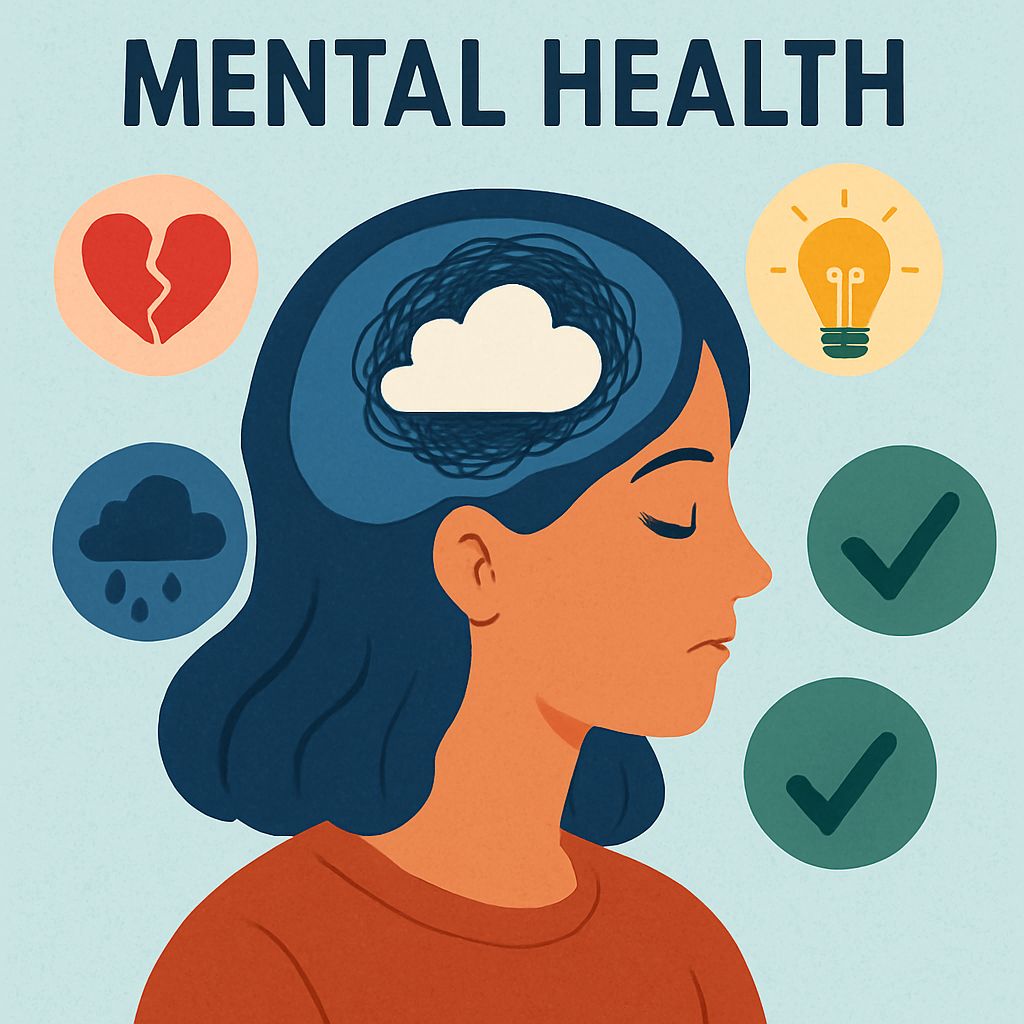
The Reality of Recovery: What You Should Understand
- Depression after rehab doesn’t mean you’ve failed — it’s a medically recognized condition that affects a significant number of individuals in early recovery from substance use disorders.
- Brain chemistry changes due to prolonged substance use can lead to depressive symptoms that persist for 3 to 6 months after you start abstaining, even if everything else seems to be going well.
- Depression and addiction, when they occur together, must be treated simultaneously — treating only one without the other significantly increases the risk of a relapse.
- There are effective, practical strategies for managing depression during recovery, such as therapy, medication, sleep, nutrition, and community support — and the right combination can make a world of difference.
- Keep reading to learn why so many individuals feel mentally worse after leaving rehab, and what the research actually says about how to get through it.
Getting clean is supposed to feel like liberation — so why can it sometimes feel like the most difficult, darkest period of your life?
One of the least discussed, yet most common, aspects of recovery is the experience of depression. Many people leave rehab expecting to feel better, only to be hit with an unexplainable heaviness. This is not a sign of weakness or ingratitude. It is a common experience that is not often discussed in treatment programs. Places like Aftermath Addiction Treatment Center understand that mental health support does not end with detox. In fact, this is where the real work starts.

Depression After Detox Is More Common Than You Think
According to a national survey conducted in 2001-2002 and referenced by the Substance Abuse and Mental Health Services Administration (SAMHSA), substance abuse counselors often see a significant number of individuals who have both substance abuse issues and symptoms of depression. This is not a rare occurrence. It is the norm.
Early recovery is already a challenging time — people are left without their main coping strategy, they’re trying to mend relationships, and they’re dealing with the fallout of past decisions all at the same time. Depression doesn’t come with a warning. It just piles on top of everything else.
Understanding the Deep Connection Between Depression and Addiction
There is a two-way relationship between substance use and depression. Some individuals use alcohol or drugs to alleviate undiagnosed or untreated depressive symptoms. Others, however, develop depression as a direct result of the neurological damage caused by long-term substance use. SAMHSA’s Treatment Improvement Protocol (TIP) Series No. 48 states that both substance abuse and depressive symptoms must be treated at the same time, not one after the other, regardless of which disorder came first.
Having a substance use disorder can prevent someone from seeking help for mental health issues in the first place, and it can create roadblocks in a successful transition from inpatient care to outpatient support. This can create a cycle that is hard to break without the right structure in place.
The “Rehabilitation Safety Net” and What Occurs When It Disappears
Within the confines of a recovery center, life is orderly. Meals are planned. Therapy is a given. Support is always available. A lot of individuals in rehab feel secure — even hopeful. Then they are discharged.
Transitioning from the structured, supportive environment of rehab to the stressors, triggers, and solitude of daily life can feel like a precipice. This emotional plummet is sometimes referred to as the “rehab bubble” popping. It’s not a relapse. However, without appropriate acknowledgment and assistance, it can quickly lead to one.
Why Does Depression Occur After Rehab
Knowing the why behind depression after rehab can help take away some of its power. When you understand what is going on in your brain and body, the experience becomes something you can manage rather than something that is happening to you.
Long-Term Substance Use Can Alter Brain Chemistry
Alcohol is a depressant. Opioids, stimulants, and other substances each interfere with the brain’s reward and regulation systems in distinct ways. Over months and years of use, the brain adapts — it stops producing normal levels of dopamine, serotonin, and other neurotransmitters on its own because the substance was doing that work. When the substance is removed, the brain does not immediately bounce back. That gap — between what the brain needs and what it can currently produce — is a major driver of post-rehab depression.
Long-Term Withdrawal Symptoms That Can Last for Months
While most people focus on the acute withdrawal — the severe physical symptoms that occur in the first few days after quitting — there is also Post-Acute Withdrawal Syndrome (PAWS), which is a longer, less noticeable struggle. According to SAMHSA’s TIP 48, depressive symptoms can persist for 3 to 6 months after sobriety and must be directly addressed in therapy. Symptoms of PAWS can include a persistent low mood, irritability, difficulty concentrating, disrupted sleep, and a blunted emotional state. These symptoms usually decrease in severity over time, but if they are not addressed, they significantly increase the risk of relapse.
Mental Health Issues That Preceded Substance Abuse
Depression was a pre-existing condition for many people before they started using substances. Addiction can hide it, complicate it, or make it temporarily more manageable in ways that seem functional until they are not. When a person enters recovery, those underlying conditions can come back, often more intensely than before. This is not a setback. It is often the first time the underlying problem can be fully seen, which means it is the first real chance to treat it correctly.
How to Tell if Depression Is Affecting Your Recovery
Depression during recovery doesn’t always look like you might expect. It’s not usually dramatic. Instead, it’s often a slow erosion of motivation, connection, and hope. It’s important to recognize the warning signs early. As SAMHSA points out, symptoms of depression can show up at any time during substance abuse treatment and even after.
| Warning Sign | What It Looks Like in Recovery | Why It Matters |
|---|---|---|
| Social Withdrawal | Skipping meetings, avoiding calls, isolating at home | Removes the accountability and connection that protect sobriety |
| Loss of Motivation | Stops attending therapy, skips self-care routines | Breaks down the structure that stabilizes early recovery |
| Hopelessness | Believing recovery is not worth it or will not last | One of the strongest predictors of relapse |
| Sleep Disruption | Sleeping too much or too little, feeling unrested | Disrupts emotional regulation and physical healing |
| Emotional Numbness | Feeling detached, flat, or unable to enjoy anything | Can mimic the emotional blunting caused by substances, triggering cravings |
If several of these signs are present at the same time, and they have lasted more than two weeks, that is a clear signal to reach out to a counselor, physician, or mental health professional — not tomorrow, but today.
Retreating from Support Networks and Social Activities
When an individual is in recovery and begins to display signs of depression, one of the most common and noticeable symptoms is a withdrawal from social activities and support networks. This can manifest as neglecting to attend AA or NA meetings, failing to return phone calls from a sponsor, or simply staying home and avoiding contact with others. The issue is that when someone is depressed, they often feel as though their isolation is justified. They may feel as though they are protecting others from their pain, or that they simply do not have the energy to engage with others.
However, relapse often happens when a person feels disconnected. Support groups are more than just a way to hold people accountable — they are living proof that recovery is possible. When someone stops attending these groups, they lose their daily reminder of this fact. Studies have repeatedly shown that social support leads to better outcomes for substance abuse, and SAMHSA’s TIP 48 emphasizes the role that counselors can play in identifying these withdrawal patterns and intervening before it’s too late.
Experiencing Despair and Believing You’re Beyond Saving
Despair is more than just feeling sad. It is the conviction that your situation will never improve – that trying is futile, that you are the one person who won’t be able to recover. This particular symptom is so hazardous because it silently undermines the drive that keeps someone committed to their recovery.
If you’re experiencing these feelings, it’s important to vocalize them to a therapist or a trusted individual in your recovery journey. Hopelessness that is kept hidden tends to solidify. When you bring it out into the open, it can be looked at, questioned, and treated — not ignored, but directly addressed as a clinical symptom, not a personal reality.
Struggling to Stay Sober
“Depressive symptoms must be treated concurrently with substance use disorders. Addressing only one significantly undermines outcomes for both.” — SAMHSA Treatment Improvement Protocol (TIP) Series, No. 48
When depression takes hold, staying sober can seem like the issue rather than the answer. The substance was the way of dealing with things, and now it’s not there — and nothing has taken its place. This absence creates a vulnerability that is both emotional and neurological.
During this stage, the loss of motivation may manifest as a silent internal conversation: What’s the use? Nothing feels right anyway. At least before, I felt something. These thoughts are signs of a co-occurring condition that isn’t being adequately treated, not proof that recovery is the wrong choice. The key to differentiating between a challenging period and a complete relapse is to identify these thoughts early on — through consistent meetings with a therapist and truthful self-reporting.
It’s also important to recognize that motivation in recovery isn’t a static characteristic. It’s something that changes and can be actively nurtured. Structure, community, and treatment can all help to foster motivation even when it seems to be completely lacking.
Three Kinds of Connection That Guard Against Depression
Connection isn’t some fluffy, feel-good extra in recovery — it’s a clinical safeguard against relapse and depression. The three most defensive forms of connection work together, and intentionally fostering all three builds the kind of resilience that survives tough times.
1. Building a Relationship with Yourself Through Self-Care
Self-care in recovery is not about pampering yourself or taking a day off — it is about re-establishing a healthy relationship with your body and mind. This includes sleeping regularly, eating healthy meals, and exercising daily, even if it’s just a short walk. These are not indulgences. Lack of sleep and poor diet can exacerbate symptoms of depression and hinder the decision-making process that helps keep you sober. For those looking to integrate natural remedies, consider exploring turmeric’s role in addiction recovery as part of your self-care routine.
Keeping a journal, practicing mindfulness, and checking in with yourself regularly are also crucial tools. They help establish a routine of genuine self-awareness — a stark contrast to the disconnection that addiction often causes. When you understand your feelings and their causes, it’s more difficult to overlook depression and easier to deal with it before it worsens. Exploring the mental benefits of hiking can also be a beneficial practice in maintaining mental health during recovery.
2. Building Relationships With Others Through Support Networks
One of the most effective tools in the recovery toolkit is peer support. Whether it’s through 12-step programs like Alcoholics Anonymous, SMART Recovery, or structured group therapy, regular contact with others who understand what it’s like to be in recovery creates a sense of responsibility and reduces feelings of loneliness at the same time.
Having a sponsor or a recovery coach provides a level of individual support that cannot be fully matched in group settings. It’s beneficial to have someone who knows your story, checks in regularly, and is able to identify when something is wrong. This provides an early detection system for depression that no app or self-help tool can compete with. It’s essential to build this network intentionally rather than just waiting for it to happen. It’s a necessary part of a long-term recovery plan.
3. Finding a Greater Purpose
Religion is not the only way to find a greater purpose, although many people in recovery do. Purpose can be found through spirituality, community service, creative work, or raising a family. Having a purpose gives a reason to stay healthy that is more than just for personal comfort. When depression makes a person feel like their world is only the struggle they are facing, having a purpose can help them see the bigger picture.
Many individuals who have been in recovery for a long time say that finding a purpose is what got them through the most difficult times after rehab. Whether it’s volunteering at a rehab center, mentoring someone who is new to recovery, or simply deciding to be fully present for the people who rely on you, these things create a momentum that depression finds hard to completely snuff out.
How to Handle Depression While in Recovery
There is no one-size-fits-all approach to dealing with depression during recovery. It is a complex process that is unique to each individual. Anyone who tells you otherwise is oversimplifying things. However, research has shown that a combination of professional treatment, lifestyle changes, and community support can be effective. It’s important to remember that these need to be applied consistently, not just in times of crisis.
SAMHSA emphasizes that addressing depressive symptoms with the right treatment has been proven to enhance substance-related outcomes, referencing Dodge, Sindelar, and Sinha (2005). This suggests that managing depression isn’t a diversion from recovery work — it is recovery work. The two are indivisible.
Begin by taking a good look at where you are in terms of the main support pillars. Be truthful with yourself:
- Are you attending therapy or counseling regularly?
- Do you have a psychiatrist or physician managing any medication needs?
- Is your sleep consistent and restorative?
- Are you eating enough, and are your meals nutritionally adequate?
- Are you exercising at least three to four times per week?
- Do you have at least one person outside of treatment you can call when things get hard?
- Are you still attending your support group meetings?
Gaps in any of these areas compound each other. Poor sleep makes therapy less effective. Skipping meetings erodes accountability. Without addressing all of them together, even strong willpower has a ceiling.
Working With a Psychiatrist or Physician for Medication Management
Medication is one of the most underused resources in recovery, mainly due to stigma and the fear of replacing one addiction with another. However, antidepressants are not addictive, and for many people suffering from moderate to severe depression, they provide the neurological stability necessary to actively participate in therapy and recovery work. It’s important to work with a psychiatrist who is knowledgeable in addiction medicine, not just general practice, to ensure that any prescriptions take into account the complete clinical picture, including substance history and any risk factors for misuse.
Three Pillars: Sleep, Diet, and Physical Activity
Rest is when the brain gets to recover. As we sleep, our brains are able to remove metabolic waste, sort through emotional memories, and restore the balance of neurotransmitters. All of these processes are directly affected by prolonged substance abuse. Getting 7 to 9 hours of quality sleep consistently is not a luxury in the early stages of recovery, but a biological necessity. When sleep quality is persistently poor, all other recovery tools, such as therapy, medication, and community, operate with less efficiency.
Proper nutrition and regular exercise form the bedrock of mental health. Our brains need certain amino acids, B vitamins, magnesium, and omega-3 fatty acids to naturally produce serotonin and dopamine. If our diet is high in processed food and low in whole foods, we’re starving the very neurochemical systems that depression depletes. Exercise, on the other hand, has been shown to have antidepressant effects through the release of endorphins and neuroplasticity — the brain’s ability to form new connections. Even 30 minutes of moderate aerobic exercise three to five times a week can lead to measurable improvements in mood and cognitive function in people recovering from substance use disorders.
Rehab is Only the Beginning of Recovery
Rehab is the first step, not the last. The real work of recovery takes place in the weeks, months, and years after leaving a structured treatment environment — in everyday life, with all of its stressors, triggers, and quiet moments where the temptation to numb out resurfaces. Depression in this phase is not evidence that treatment failed. It is evidence that recovery is ongoing and that the support structures built inside treatment need to be rebuilt, and often expanded, on the outside. People who treat post-rehab life with the same seriousness as the treatment itself — consistent therapy, medical oversight, community involvement, and honest self-monitoring — are the ones who build recovery that lasts.
Common Questions
Depression and addiction recovery often lead to many questions — many of which people are too uncertain or embarrassed to ask directly. The answers provided below are based on current clinical understanding and aim to provide you with straightforward, honest information that you can use.
Can detox cause depression?
Yes. Detox can trigger or worsen depression. It’s crucial to understand this before starting the process. The body and brain have adjusted to the substance’s presence, often over a long time. When you suddenly remove the substance, the brain’s chemical systems go into a freefall. They struggle to regulate mood, motivation, and emotional stability without the artificial support they’ve relied on. For those considering this process, it’s helpful to consult a guide to preparing for inpatient medical detox.
Alcohol is a depressant that affects the central nervous system. When a person is actively drinking, their brain compensates by becoming hyperactive. When the alcohol is removed, the hyperactivity doesn’t immediately go back to normal – this can result in anxiety, agitation, and severe depression during the initial days and weeks of detox. Opioid withdrawal has a similar effect, but it happens through different mechanisms, such as a significant decrease in endorphin activity that leaves individuals feeling emotionally empty and physically drained.
The key takeaway here is that depression caused by detox is a physical reaction, not a mental breakdown. It needs to be overseen by medical personnel and, when necessary, treated with medication. Undergoing detox without any mental health supervision is a major risk factor for both medical problems and early relapse. For a comprehensive understanding of how to prepare for detox, consider this step-by-step guide to preparing for inpatient medical detox.
“Depressive symptoms typically associated with common substances of abuse require direct clinical attention during detox and early recovery. They do not resolve on their own simply because the substance has been removed.” — SAMHSA Treatment Improvement Protocol (TIP) Series, No. 48
How long do post-acute withdrawal symptoms last after rehab?
According to SAMHSA’s clinical guidance, depressive symptoms can persist for 3 to 6 months after abstinence begins. Post-Acute Withdrawal Syndrome (PAWS) is the term used to describe this extended period of neurological and emotional readjustment. Symptoms vary in intensity and can fluctuate — some days feeling almost manageable, others feeling overwhelming. The timeline is not linear. However, with consistent treatment, lifestyle support, and community connection, symptoms typically reduce in both frequency and severity over time. Knowing this window exists is important because it gives people a realistic frame for what they are experiencing rather than interpreting the difficulty as permanent.
Is it normal to feel emotionally drained after leaving rehab?
Yes, it is. In fact, it’s so common that mental health professionals have a name for it. When you leave the structured, supportive environment of a treatment facility and return to your everyday life, you lose a lot of external support. Without the built-in schedule, 24/7 support, and therapeutic structure of residential treatment, many people experience a sharp emotional drop in the first weeks after discharge. This is sometimes called the “post-rehab crash,” and it’s one of the highest-risk periods for relapse. Feeling emotionally drained after leaving rehab doesn’t mean the treatment didn’t work—it means you need to actively build and maintain the next phase of support, rather than assuming it will just be there.
How does addiction-related depression differ from pre-existing depression?
It’s important to understand the difference because each requires a different treatment approach. Depression that is caused by substance use – often referred to as secondary depression – is a direct result of the neurochemical effects of prolonged drug or alcohol use. Once the substance is removed and the brain begins to stabilize, this type of depression usually begins to improve, although this can take several months. Pre-existing or primary depression, however, is not dependent on substance use and requires a separate, targeted treatment plan. These two types of depression often overlap and reinforce each other in reality, and it can be difficult to tell them apart until several months of sobriety have passed. The Substance Abuse and Mental Health Services Administration (SAMHSA) emphasizes that both conditions need to be treated simultaneously, not one after the other, regardless of which came first.
When is the right time to seek professional help for depression during recovery?
It’s sooner than you might expect. If you’re experiencing symptoms of depression — such as a persistent low mood, loss of interest in things you once enjoyed, feelings of hopelessness, disrupted sleep, or withdrawal from others — for more than two weeks, it’s not just a case of the blues. It’s a clinical sign. Don’t wait until you’re in crisis to ask for help. For those in recovery, understanding the importance of preparing for inpatient medical detox can be a crucial step in managing mental health effectively.
| Situation | Recommended Action | Who to Contact |
|---|---|---|
| Mild sadness or low energy, less than 2 weeks | Monitor closely, increase self-care and meeting attendance | Sponsor, peer support, recovery group |
| Persistent low mood beyond 2 weeks | Schedule appointment immediately | Therapist or outpatient counselor |
| Thoughts of relapse driven by emotional pain | Urgent — do not wait | Addiction counselor and psychiatrist |
| Thoughts of self-harm or suicide | Immediate crisis response required | Call 988 (Suicide and Crisis Lifeline) or go to the nearest emergency room |
| Unable to function in daily life | Consider intensive outpatient or residential support | Treatment center or dual diagnosis program |
The single most important thing to remember is that asking for help during recovery is not a setback — it is the most clinically sound and courageous thing a person in recovery can do. Depression is a treatable condition. It does not have to derail sobriety, and it does not have to be faced alone.
Recovery demands a great deal from an individual. It demands truthfulness when hiding was the norm. It demands attentiveness when insensitivity felt more secure. It demands companionship when solitude became a routine. Depression makes all of these demands more difficult — but not unattainable. With the appropriate support system, the appropriate treatment, and constant effort, individuals manage depression in recovery every day and emerge with a quality of life they could not have envisioned in active addiction.
When you or a loved one is dealing with depression and substance abuse, the clinical standard of care is dual diagnosis treatment. This approach doesn’t prioritize one issue over the other. Instead, it recognizes that both are part of the same issue. The only way to achieve long-term results is to treat the whole person, not just one aspect of their condition.
Ona Treatment Center offers a complete care package that not only tackles addiction, but also takes care of any mental health conditions that might be present. The center offers a comprehensive, evidence-based support system that makes long-term recovery a real possibility.